Notice
You are now leaving Polygon Restoration's website and will be directed to another country in the group.
Do you want to proceed?
Notice
You are now leaving Polygon Restoration's website and will be directed to another country in the group.
Do you want to proceed?

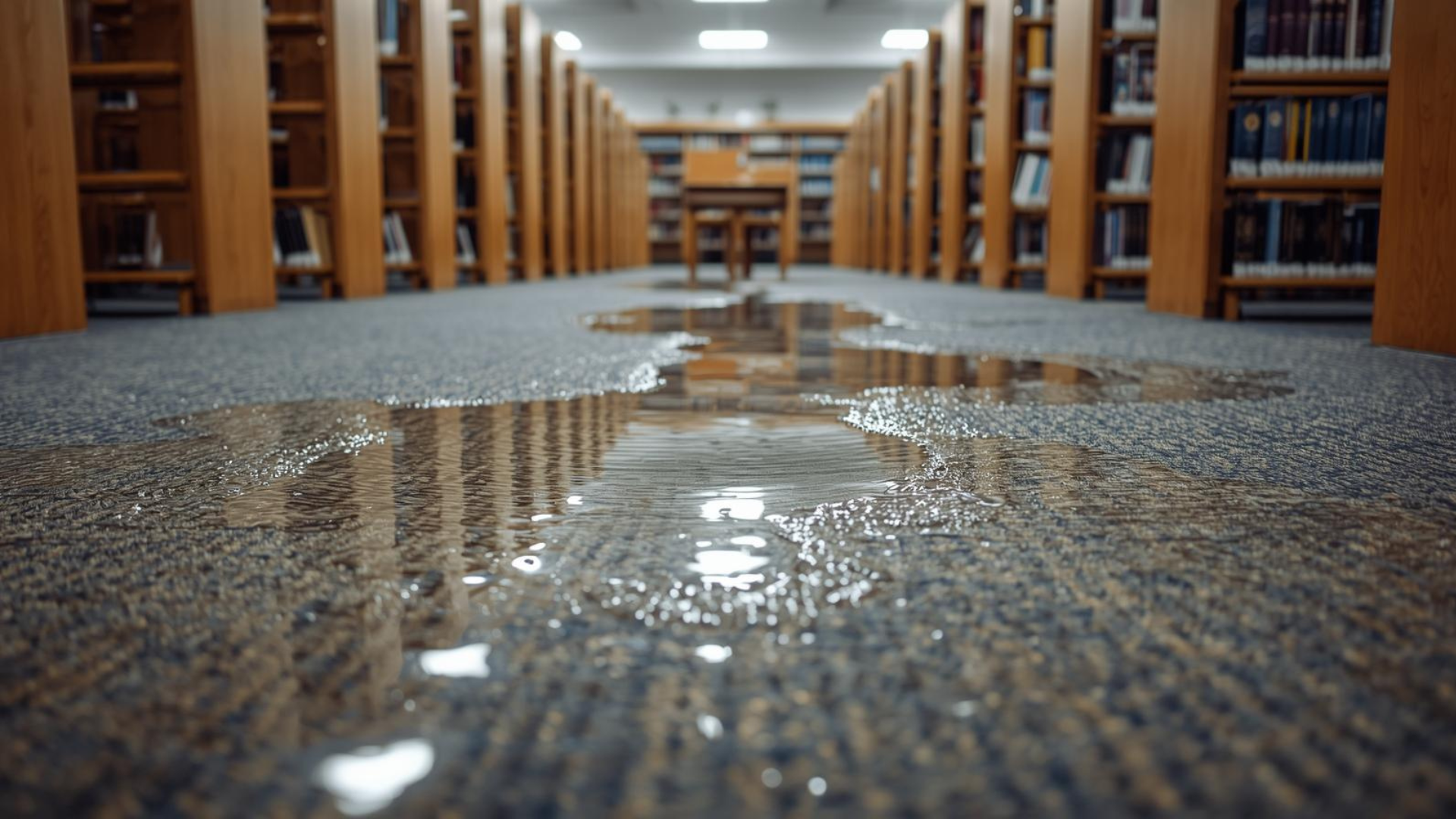
In most businesses and organizations, paper is king. The documents, reports, and records that you keep are critical to daily operations, making it important that you safeguard them from water damage. The best time to complete flood damage preparation for businesses is not necessarily when you hear reports about bad weather. The best time to take steps to protect your most important documents is well before a storm threatens your commercial property.
Not all businesses have the same critical documents. The best way to determine which documents to protect is to classify, organize and prioritize them in order of importance.
List all the types of records that your organization has and classify them into the following categories:
Critical: These are records that emergency responders need during a disaster. Examples include blueprints, building schematics, and the contact information for key individuals, such as engineers.
Essential: Essential records are irreplaceable documents your business needs within the first 72 hours after an incident to ensure business continuity. These documents may include:
Important: These are vital records that are those that are difficult to replace, such as:
Useful: Useful documents are replaceable documents that are inconvenient to replace, but won’t pose a barrier to everyday operations if lost. Examples include:
Non-essential: These are documents that won’t hinder operations if lost, such as:
As you classify your business’ documents, notate if they’re physical or electronic documents and indicate their location. If there are backup or duplicate files, indicate this and their location, as well.
As you create a disaster preparedness plan for your business, identify ways to protect your company’s important records. Common ways include physical duplications, digital duplications, on-site storage, and off-site storage. Base how you store the documents on their respective level of importance.
Off-site storage at a secure location, such as a safe deposit box, is best for essential and critical documents. If having original copies of documents is essential, store the originals at the off-site location and keep copies on-site.
Keep in mind that if your business is in a flood zone, your local bank branch might not be the best place to store documents. A good off-site storage area is one that isn’t in a flood zone, which may be as close as a neighboring town.
Keep vital documents that you must access regularly in water-, fire- and impact-resistant file cabinets that lock instead of in employee desks or open shelves. If you have a multi-level building, do not store the records in the basement or ground floor, as these receive the most damage during floods.
Scan your business’ most important document and save the electronic versions to an external drive or a secure online cloud storage solution. If you store the files on a USB flash drive or external hard drive, update the records regularly and keep the drive in a secure off-site location.
It is a good idea to back up all your business’ electronic files at least once a day. Some types of cloud software automatically backup and save your electronic records so you can access them from any Internet-connected device.
After making plans to prepare for a flood, make a plan to salvage and restore wet documents. These plans should include the full inventory of your business’ physical and electronic documents. Other items to keep with the preparedness plan include:
In addition, include details about how to safely recover and stabilize wet documents. Don’t forget to list the contact information for a document restoration contractor, like Polygon, so specialists can begin the recovery process as soon as possible.
Simplify flood damage preparation with Polygon’s Code Blue program. Membership is free and gives you access to exclusive services. Our specialists will work with you to create a documented disaster recovery plan so they immediately know which recovery methods to use for each material if they receive water damage. You’ll also benefit from 24/7 priority services in your company’s greatest time of need. Get in touch with Polygon to become a Document Code Blue member today.
[Photo from MoneyBlogNewz via CC License 2.0]

Emergency Support
1-800-422-6379Send an email
us_info@polygongroup.com24/7 Hotline
Urgent equipment and operational support
Property damage
Documents and contents damage
24/7 Emergency:
United States: 1-800-422-6379
Canada: 1-888-702-4782
Your questions and comments are important to us. Please send us your information with a description of your needs and we will connect with you promptly.
Polygon US Headquarters
15 Sharpners Pond Road, Building F North Andover, MA 01845
Phone: 1-800-422-6379
See all our US locations here: Polygon US office locations
For global support, please contact one of our offices listed here: Our Global offices - Polygon Group