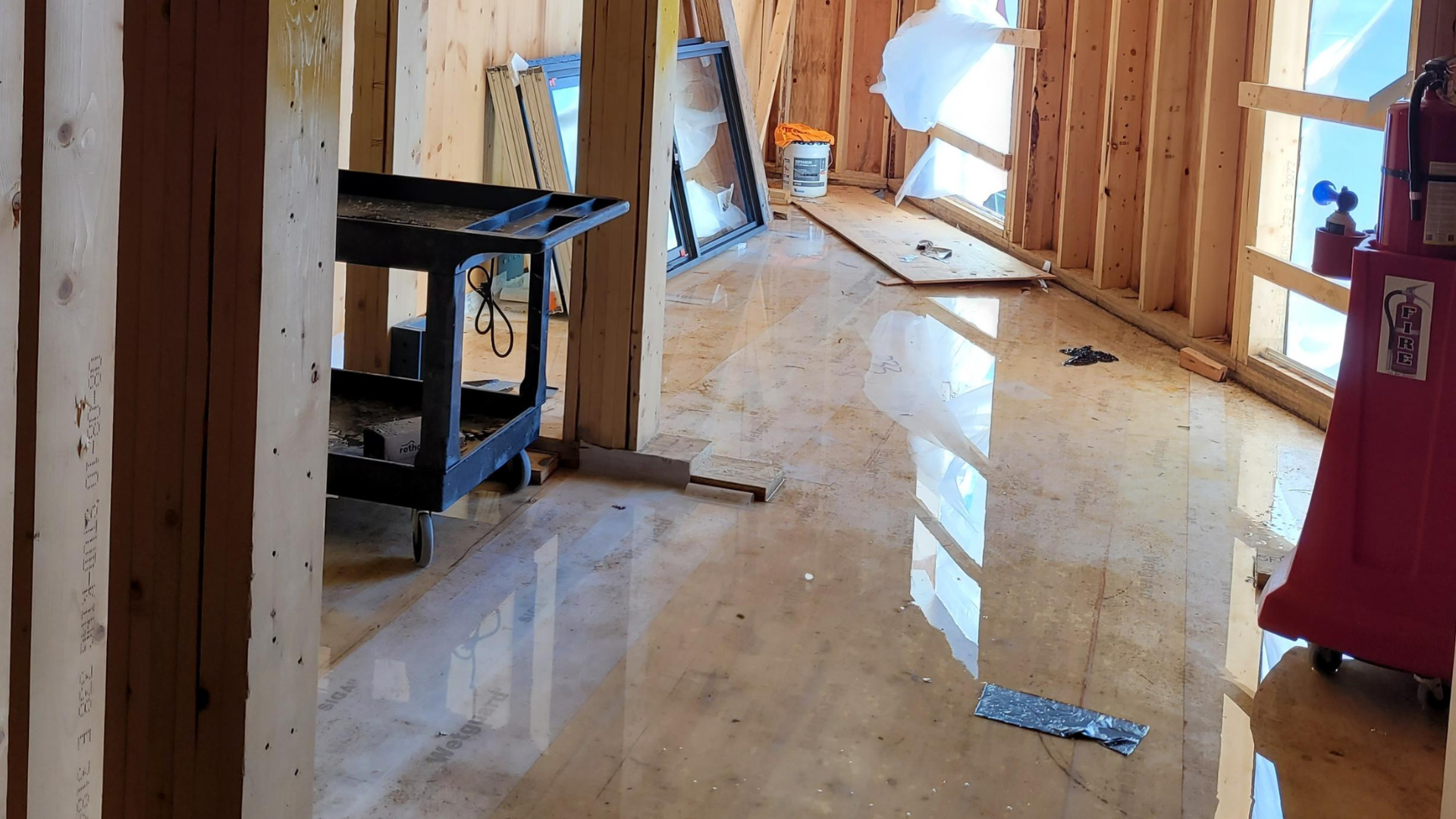
Project managers already facing tight timelines know how quickly moisture problems can derail progress. A single storm system or prolonged period of humidity can slow drying times, damage materials, and push critical installations further down the schedule. Understanding these risks and managing them early is key to keeping projects on track.

Notice
You are now leaving Polygon Restoration's website and will be directed to another country in the group.
Do you want to proceed?