Blog

How to Achieve and Maintain Low Dew Point Conditions

Temporary Climate Solutions, Remote Monitoring and Control, Food and Pharma, Manufacturing and Industrial Processing, Indoor Air Quality

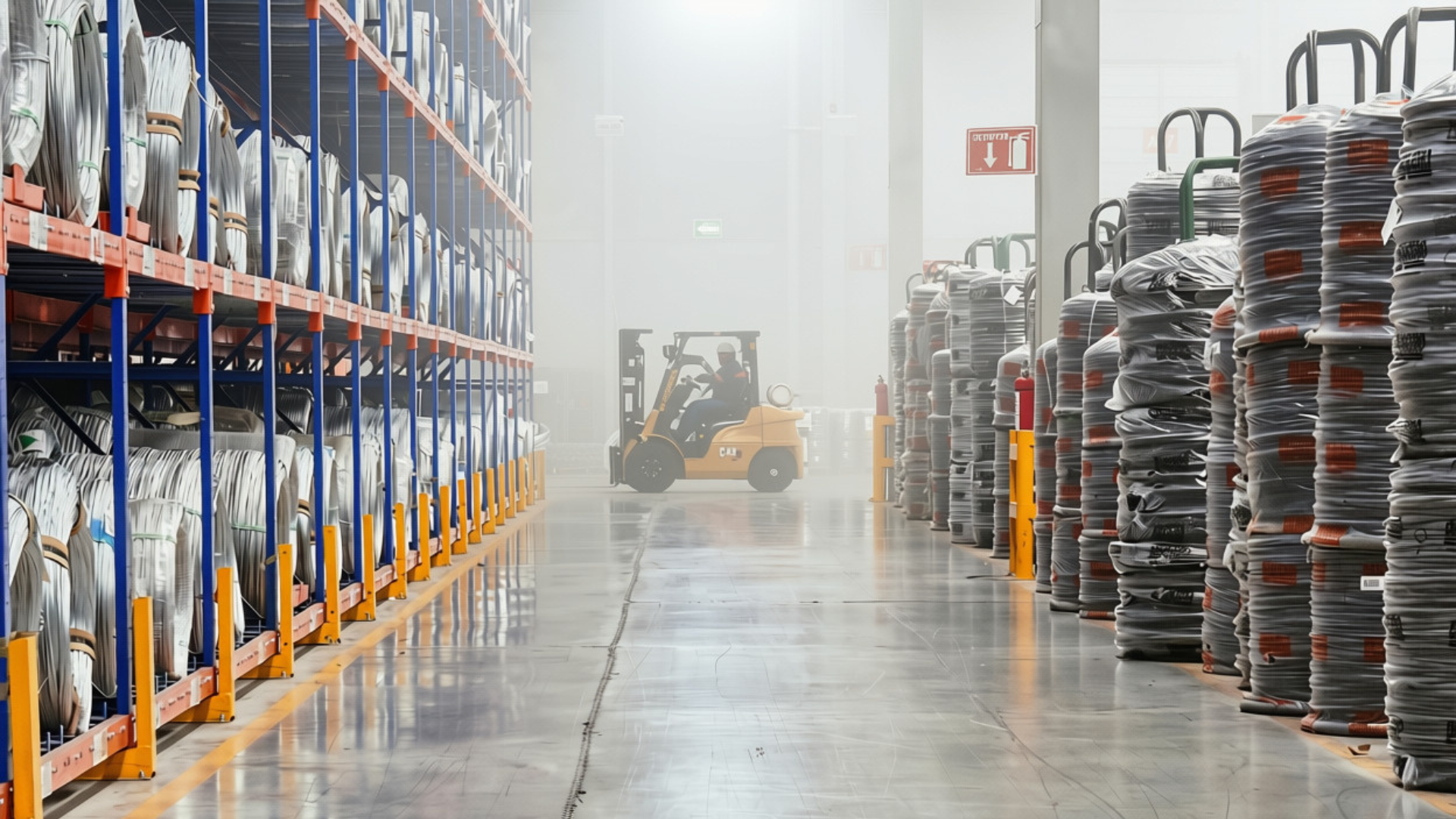
In many advanced manufacturing environments, controlling moisture is not optional; it is fundamental to process stability, product quality, and equipment reliability. One of the most important variables used to manage moisture is dew point, particularly in applications that require extremely dry air conditions.

Read

Carbon Monoxide and Temporary Heaters: Staying Safe as Buildings Close In

Construction Drying, Indoor Air Quality

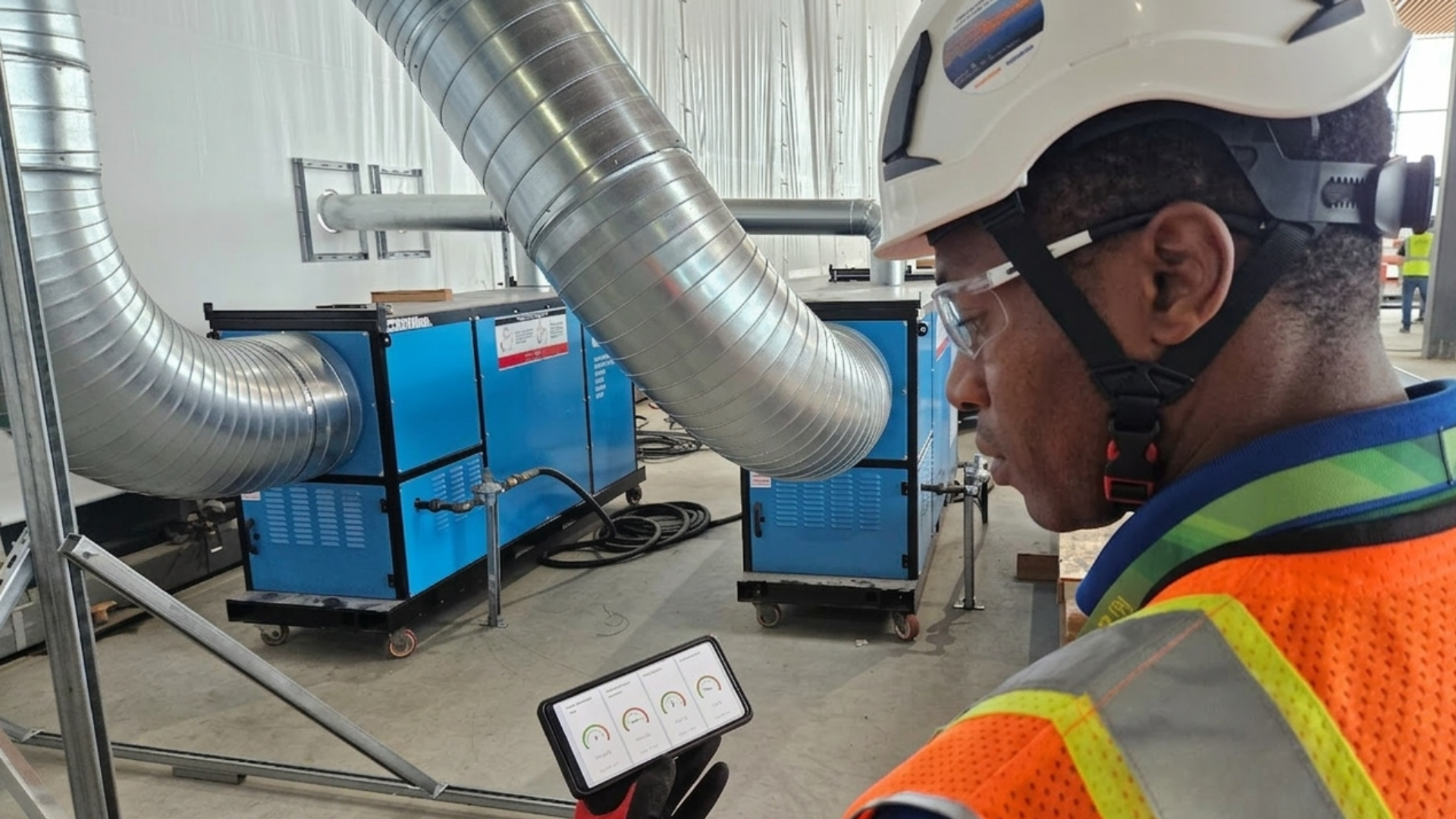
As cold weather approaches and projects begin to close in, temporary heat becomes essential for keeping schedules on track and protecting materials. At the same time, enclosed spaces increase the risk of carbon monoxide (CO) exposure when fuel-burning heaters are used indoors. Understanding how CO is generated and how to monitor conditions is critical for maintaining safe environments during winter operations.

Read

Ask a Water Risk Expert: David Simkins

Remote Monitoring and Control

David Simkins has spent more than three decades engineering the climate control and moisture management systems that protect construction sites, food processing plants, hospitals, and managed properties. Today, he leads Engineering and Technology at Polygon as its Director. We sat down with him to talk about why water risk builds gradually instead of striking as a single event, what keeps monitoring technology from getting deployed once it’s on site, and how tighter schedules and materials like mass timber are raising the stakes on the job site.

Read

A Powerhouse Sequel - The return of sensors is building better claims outcomes on the job site

Remote Monitoring and Control

Rose Hall, PE | Frank Dobosz | June 29, 2026 | Originally published in CLM

Read

Electrifying Climate Control: A Practical Step Toward Jobsite Decarbonization

Temporary Climate Solutions

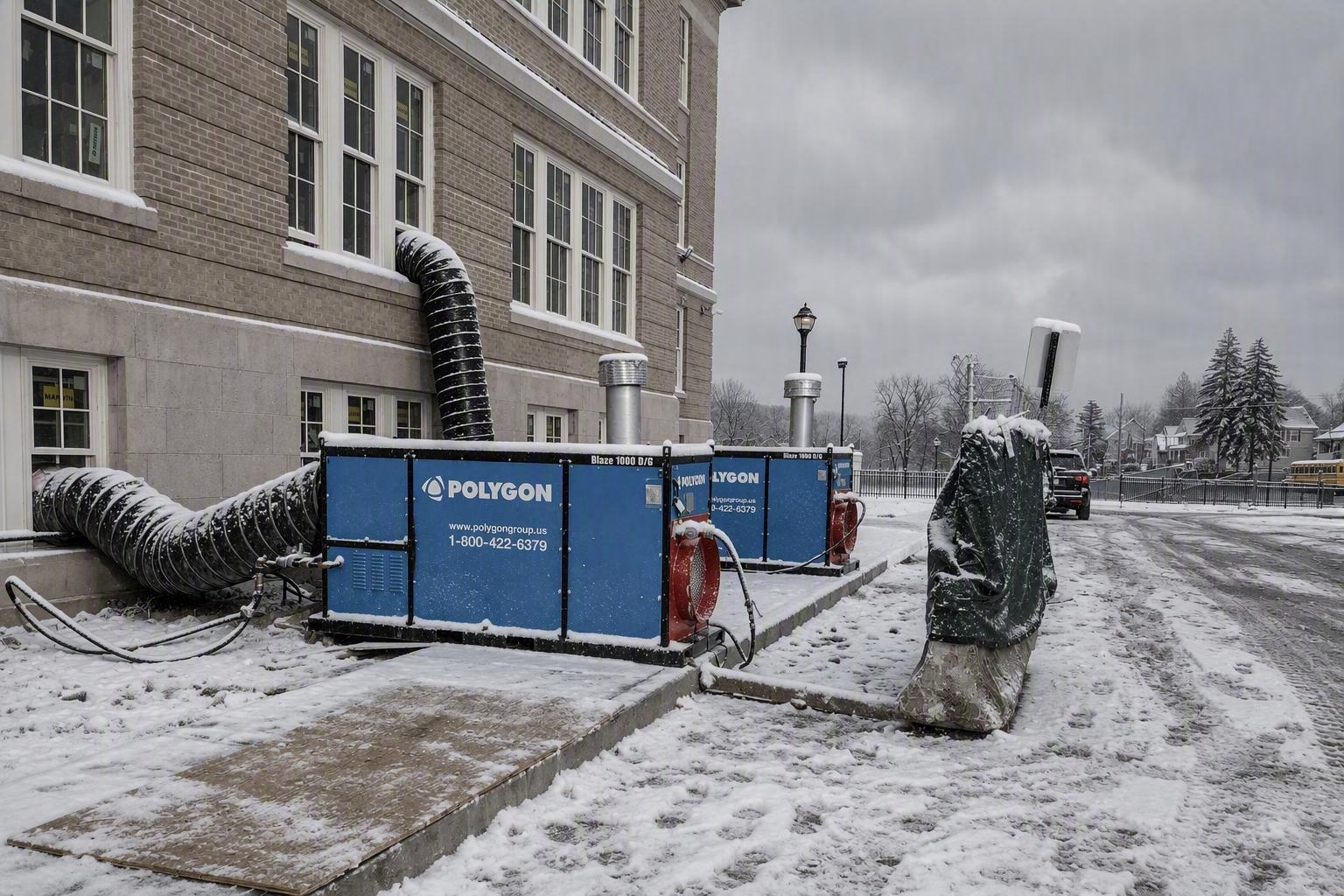
Electrification is quickly becoming the baseline for modern construction. But for general contractors (GCs), success is not just about switching from diesel to electric; it is about delivering real decarbonization in a way project teams will actually adopt. Because if a solution adds complexity to the field, it will not last. Electrification done right can reduce carbon and make jobsites easier to manage.

Read