Notice
You are now leaving Polygon Restoration's website and will be directed to another country in the group.
Do you want to proceed?
Notice
You are now leaving Polygon Restoration's website and will be directed to another country in the group.
Do you want to proceed?
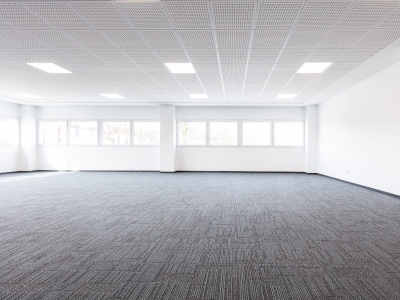
Unoccupied buildings are highly vulnerable to moisture, temperature fluctuations, and water leaks that can quickly lead to hidden damage and long-term deterioration.
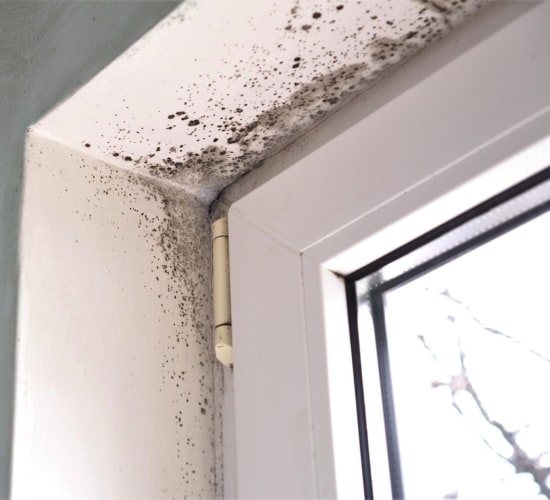
Without consistent environmental control, small issues—like humidity shifts or minor leaks—can escalate into mold growth, material degradation, and costly remediation. Maintaining stable conditions through proactive climate control and monitoring helps preserve building integrity, reduce risk, and protect long-term asset value.
During ownership transitions, maintaining a controlled environment is especially critical. Unmanaged conditions can impact inspections, delay transactions, and reduce property value—while stable, well-documented conditions help ensure a smooth transfer and support future sale potential.

Emergency Support
1-800-422-6379Send an email
us_info@polygongroup.com24/7 Hotline
Urgent equipment and operational support
Property damage
Documents and contents damage
24/7 Emergency:
United States: 1-800-422-6379
Canada: 1-888-702-4782
Your questions and comments are important to us. Please send us your information with a description of your needs and we will connect with you promptly.
Polygon US Headquarters
15 Sharpners Pond Road, Building F North Andover, MA 01845
Phone: 1-800-422-6379
See all our US locations here: Polygon US office locations
For global support, please contact one of our offices listed here: Our Global offices - Polygon Group