Blog

Back to School. What Happens When You Find Mold?

Disaster Preparedness, Disaster Recovery, Document Recovery, Document Scanning, Mold Damage, Indoor Air Quality

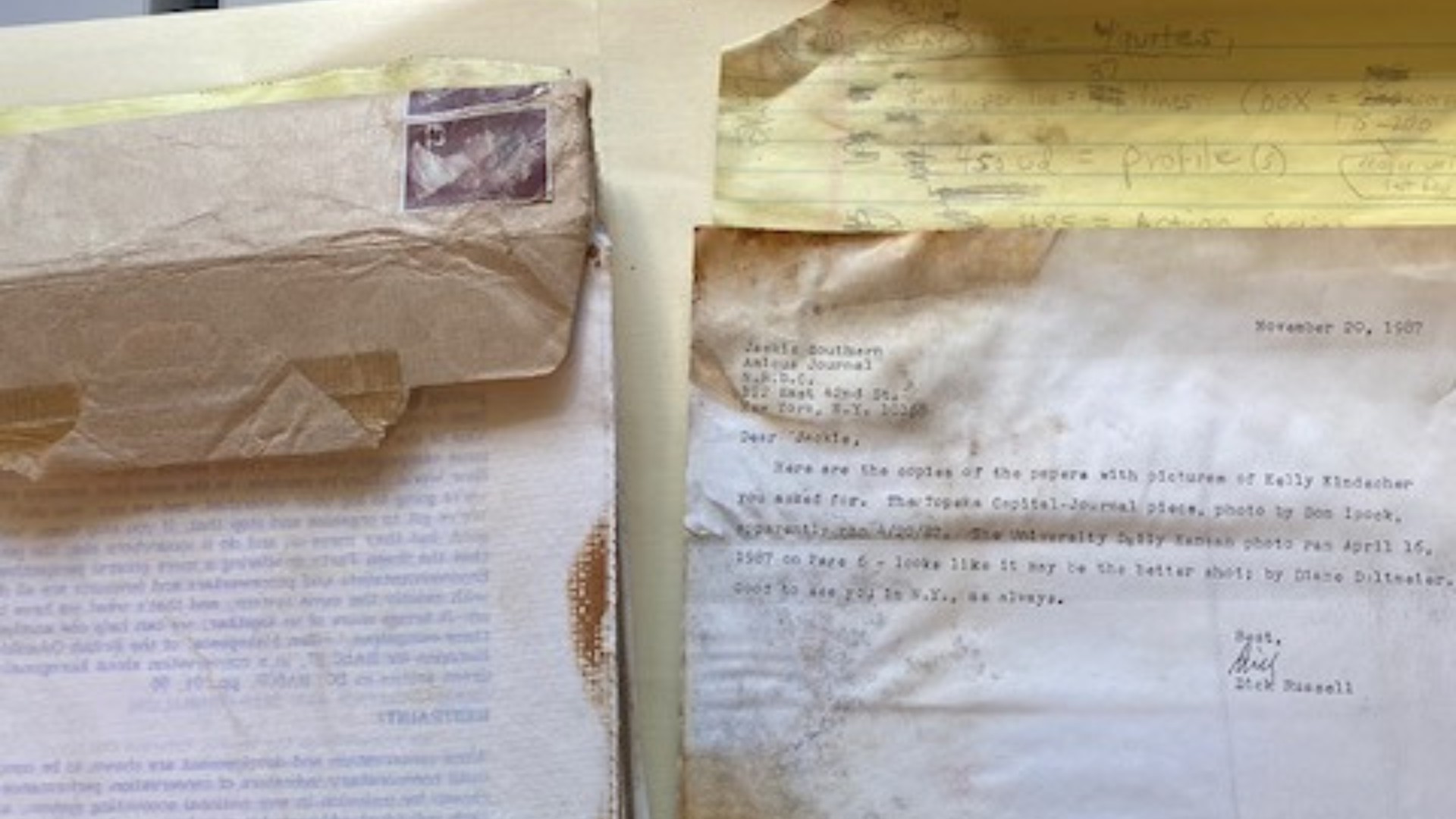
As educators return to school after summer break, they may discover more than empty classrooms and forgotten supplies. A musty smell, warped books, stuck-together pages, and visible mold are signs that items were exposed to moisture. Schools should reconsider simply throwing away materials. Here’s what you can do.

Read

Smart Leak Detection for Safer Collections

Catastrophe Response, Disaster Preparedness, Disaster Recovery, Document Recovery, Document Scanning, Fire and Smoke Damage, Mold Damage, Water and Storm Damage, Remote Monitoring and Control

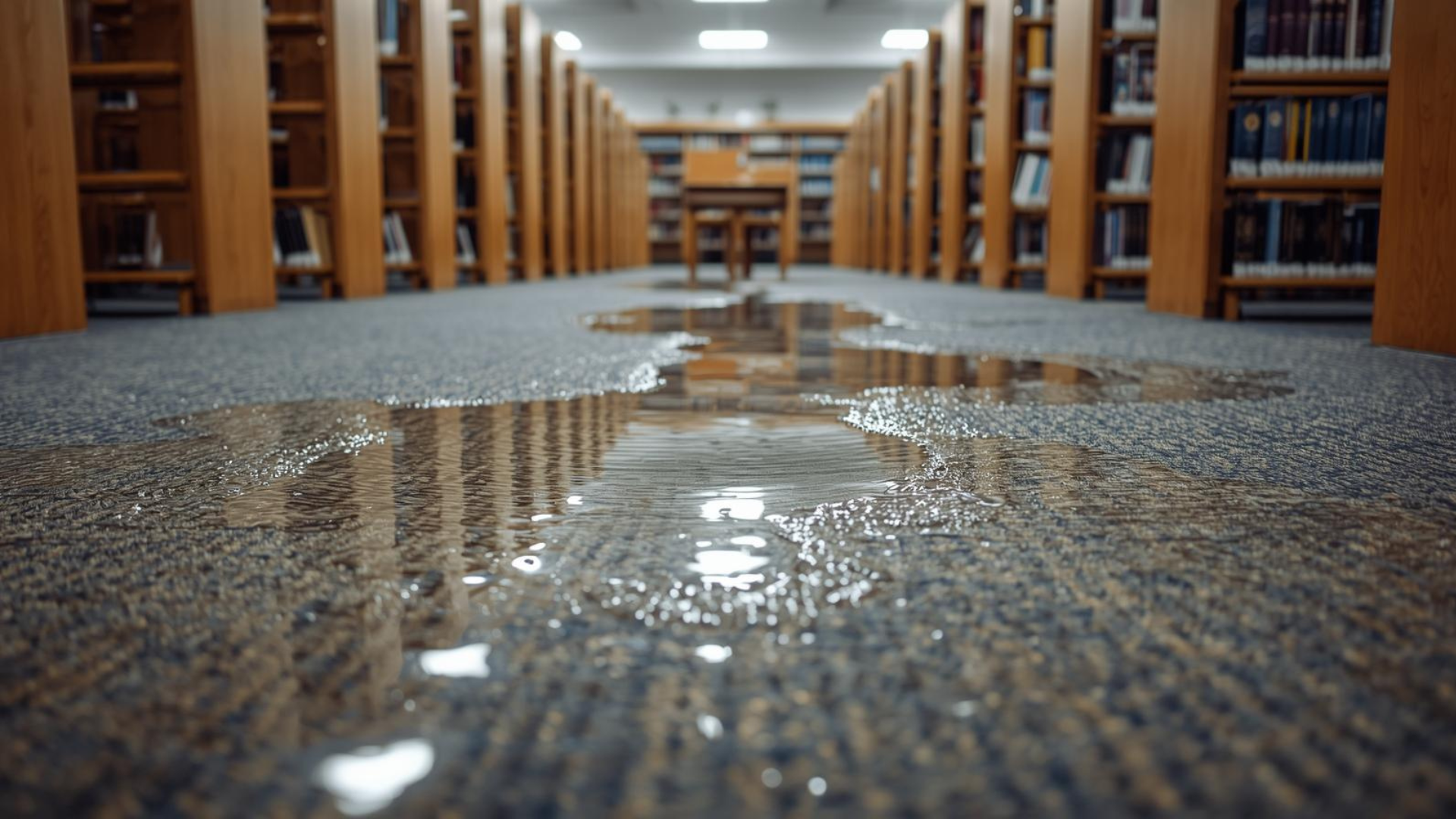
When temperatures drop, archives, libraries, and records storage facilities face hidden risks that extend beyond cold air and low humidity. Frozen pipes and sudden bursts can release hundreds of gallons of water in minutes, threatening the safety of irreplaceable files, books, and archival materials. For organizations responsible for preserving cultural heritage and critical records, a proactive approach to water management can mean the difference between minimal disruption and a devastating loss.

Read

When Freezing Documents Makes Sense

Disaster Recovery, Document Recovery, Water and Storm Damage

Document freeze-drying is a technique that professionals use to dry and restore books and documents that receive water damage. The process involves using a special chamber that has a high-pressure vacuum. When the chamber reaches the optimal temperature and pressure settings, the moisture in the documents sublimates. The sublimation process turns liquid water into a gaseous state. Freeze-drying eliminates moisture, prevents or halts mold growth, and avoids complications such as sticking, staining, warping, curling and over-drying. While freeze-drying is an effective solution, it is not the answer for all wet documents.

Read

Safeguarding Heritage: Preventing the Top 10 Agents of Deterioration

Disaster Recovery, Document Recovery, Fire and Smoke Damage, Mold Damage, Water and Storm Damage

Arguably, the cornerstone of safeguarding archives and collections lies in prevention, which makes understanding potential threats crucial. This is why The Canadian Museum of Nature and the Canadian Conservation Institute have compiled a list of the top 10 agents of deterioration, identifying the primary hazards to historical objects. This compilation aims to assist in preventing and protecting valuable collections, whether housed in museums or homes.

Read

Emergency Preparedness: The 4 R's

Disaster Preparedness, Disaster Recovery, Document Recovery

With storm season approaching it’s important to prepare your archives to the best of your ability. Polygon sponsored CoSA in creating an emergency preparedness resource page with some in-depth checklists and information for your archives. In this blog we’ll be sharing the 4 “Rs” which represent the 4 stages of emergency preparedness, Risk, Readiness, Response, and Recovery.

Read