Blog

Don't Wait for the First Freeze: Building a Climate Control Strategy Before Heating Season

Construction Drying, Remote Monitoring and Control

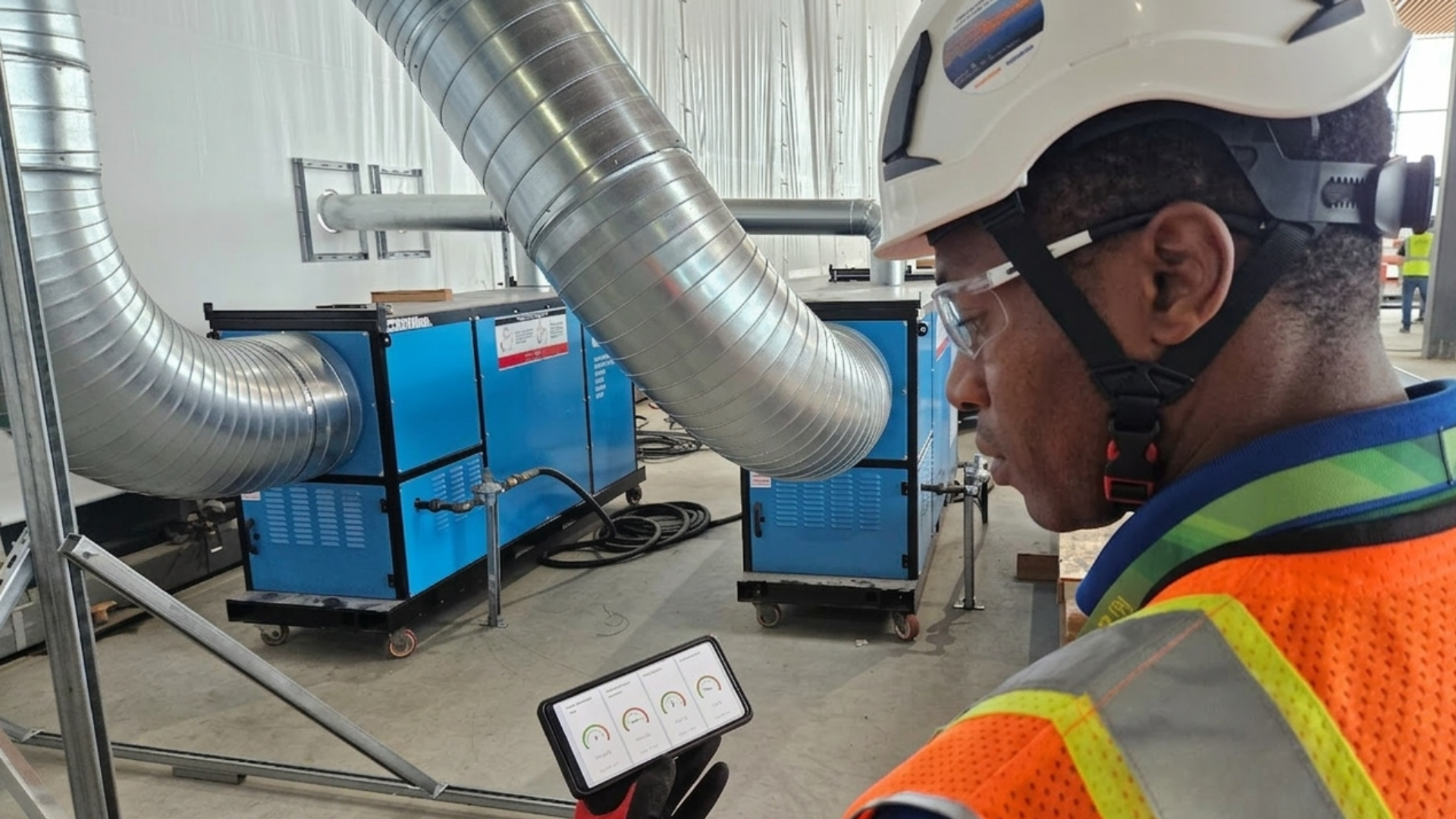
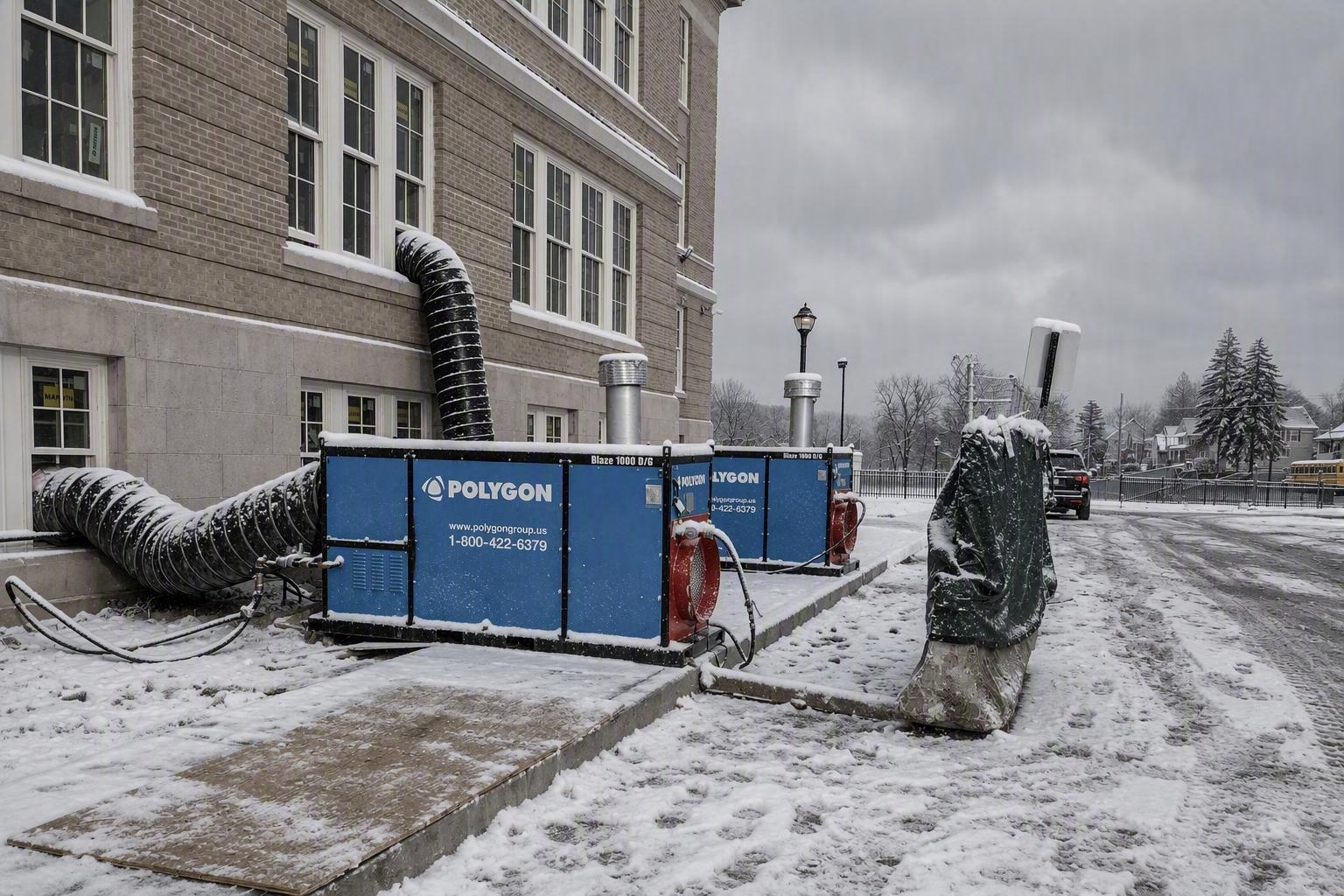
When most construction teams think about heating season, they think about heaters. But successful winter projects aren't built around heating equipment. They're built around a plan.

Read

Carbon Monoxide and Temporary Heaters: Staying Safe as Buildings Close In

Construction Drying, Indoor Air Quality

As cold weather approaches and projects begin to close in, temporary heat becomes essential for keeping schedules on track and protecting materials. At the same time, enclosed spaces increase the risk of carbon monoxide (CO) exposure when fuel-burning heaters are used indoors. Understanding how CO is generated and how to monitor conditions is critical for maintaining safe environments during winter operations.

Read

Monitoring Concrete During Pouring and Curing

Construction Drying, Temporary Climate Solutions, Remote Monitoring and Control, Indoor Air Quality

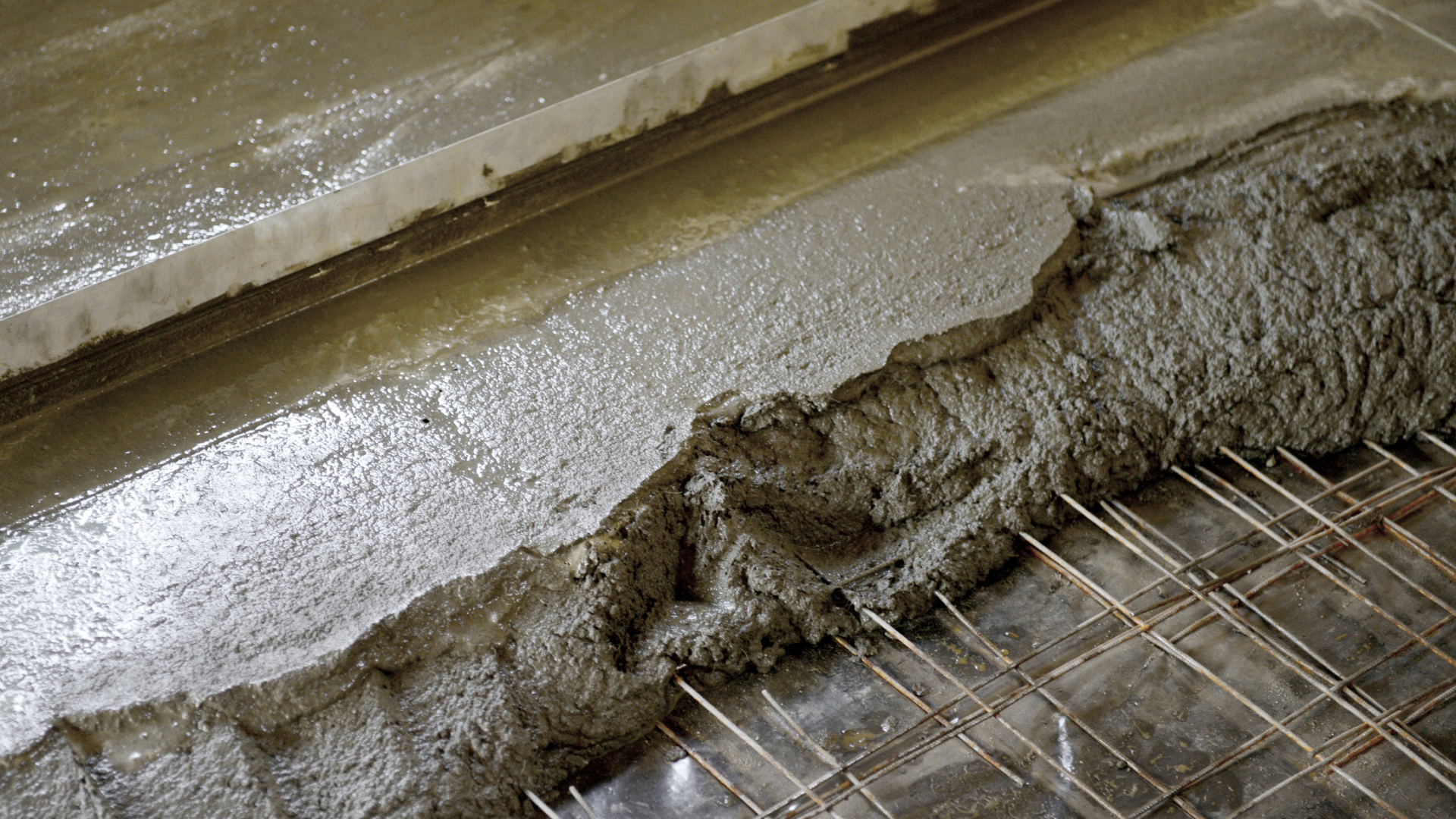
Concrete pouring is a construction phase that looks straightforward at a glance, but once you’re on-site, it’s clear how much coordination is involved. Between formwork, rebar, pumps, and crews working to place and consolidate the material, there’s a lot happening all at once.

Read

Managing Formaldehyde Risk in Data Centers with Smart Climate Control

Construction Drying, Temporary Climate Solutions, Indoor Air Quality

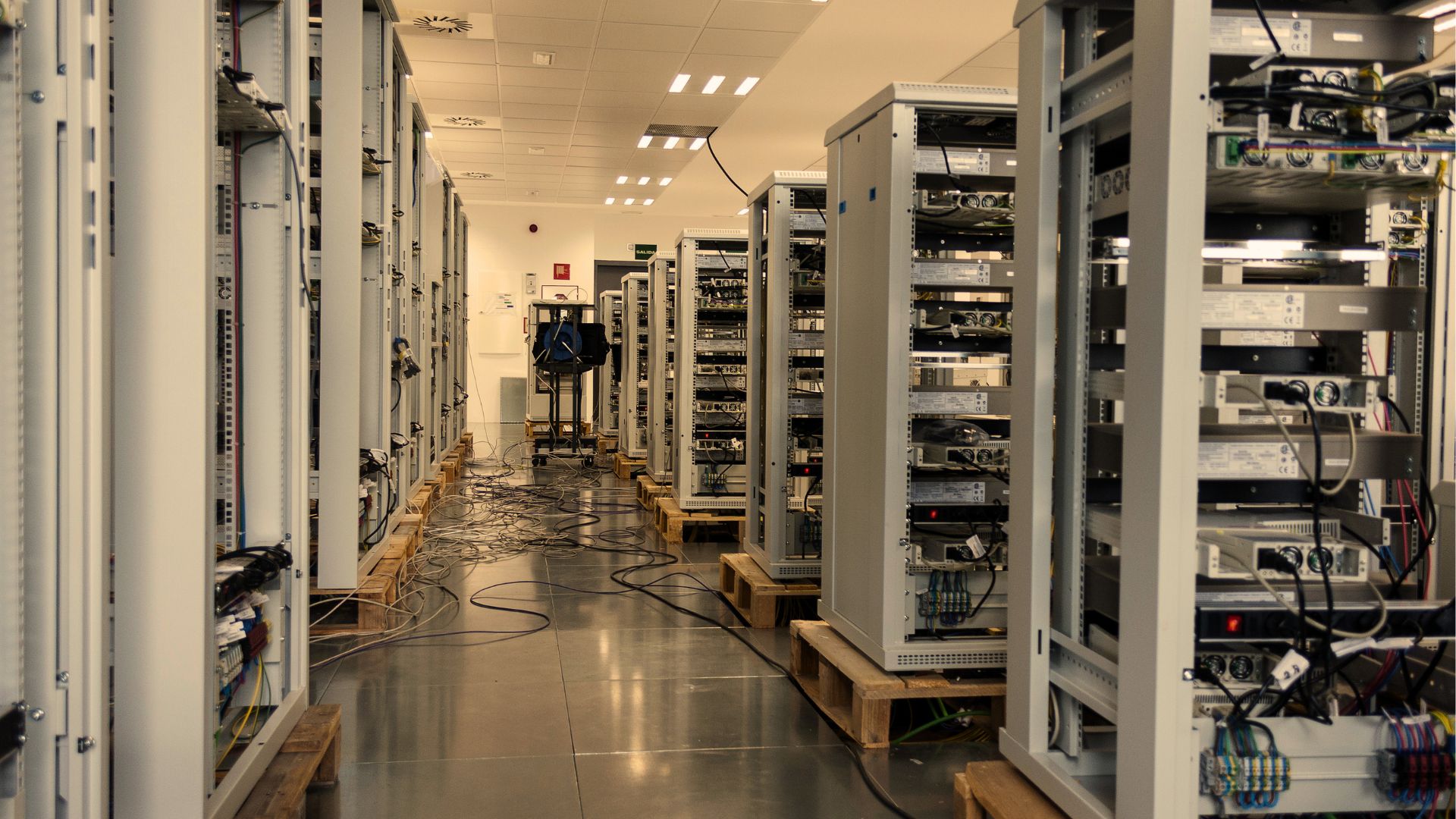
When commissioning a new data center, ensuring optimal air quality is as critical as power and network reliability. One key hazard during this phase is formaldehyde, a volatile organic compound (VOC) commonly released from construction materials, furnishings, and adhesives. Exposure to elevated formaldehyde levels can affect both human health and sensitive equipment, making proactive management essential.

Read

Extreme Weather, Moisture and Construction Project Delays

Construction Drying, Temporary Climate Solutions, Remote Monitoring and Control

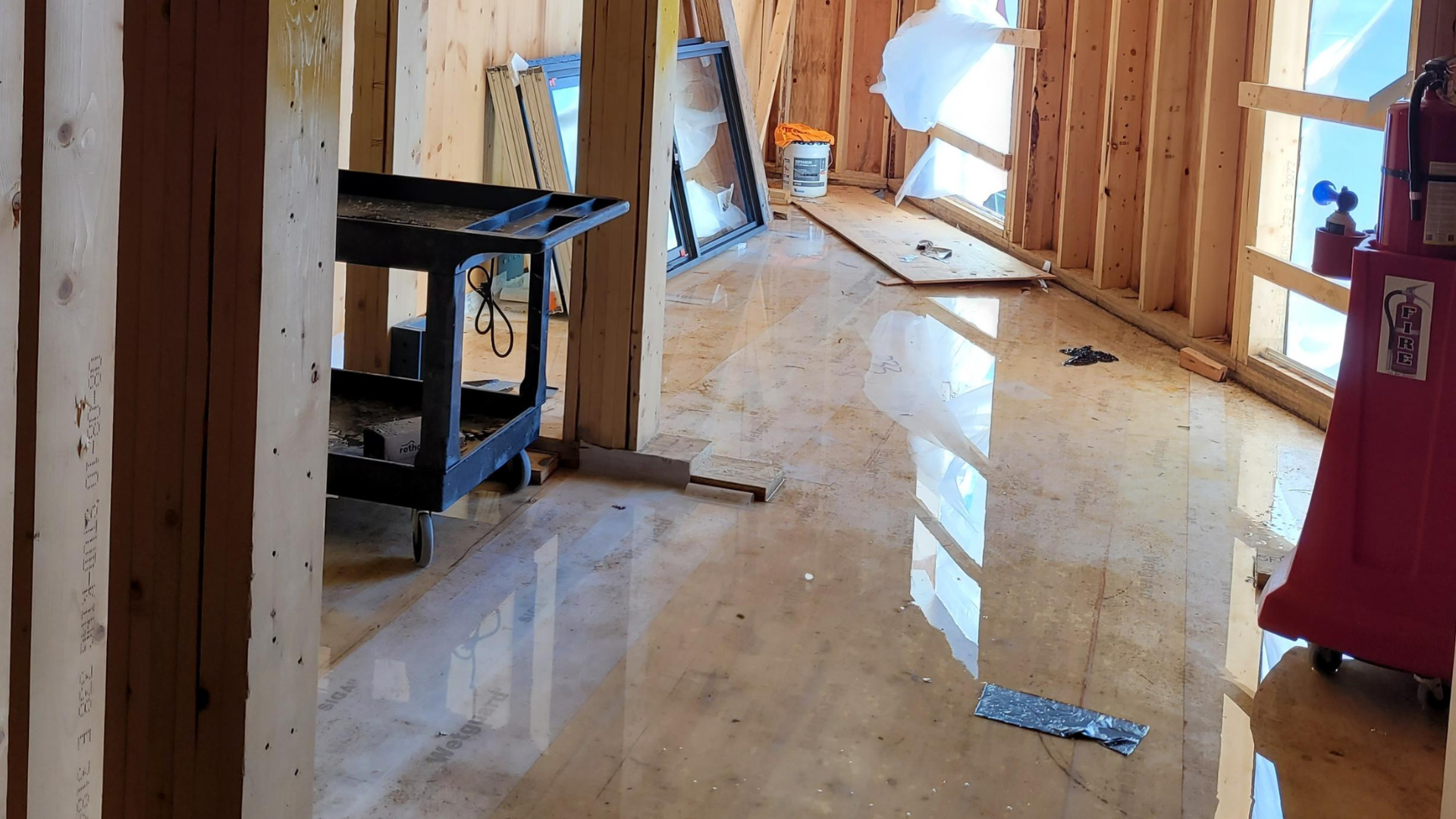
Project managers already facing tight timelines know how quickly moisture problems can derail progress. A single storm system or prolonged period of humidity can slow drying times, damage materials, and push critical installations further down the schedule. Understanding these risks and managing them early is key to keeping projects on track.

Read