Blog

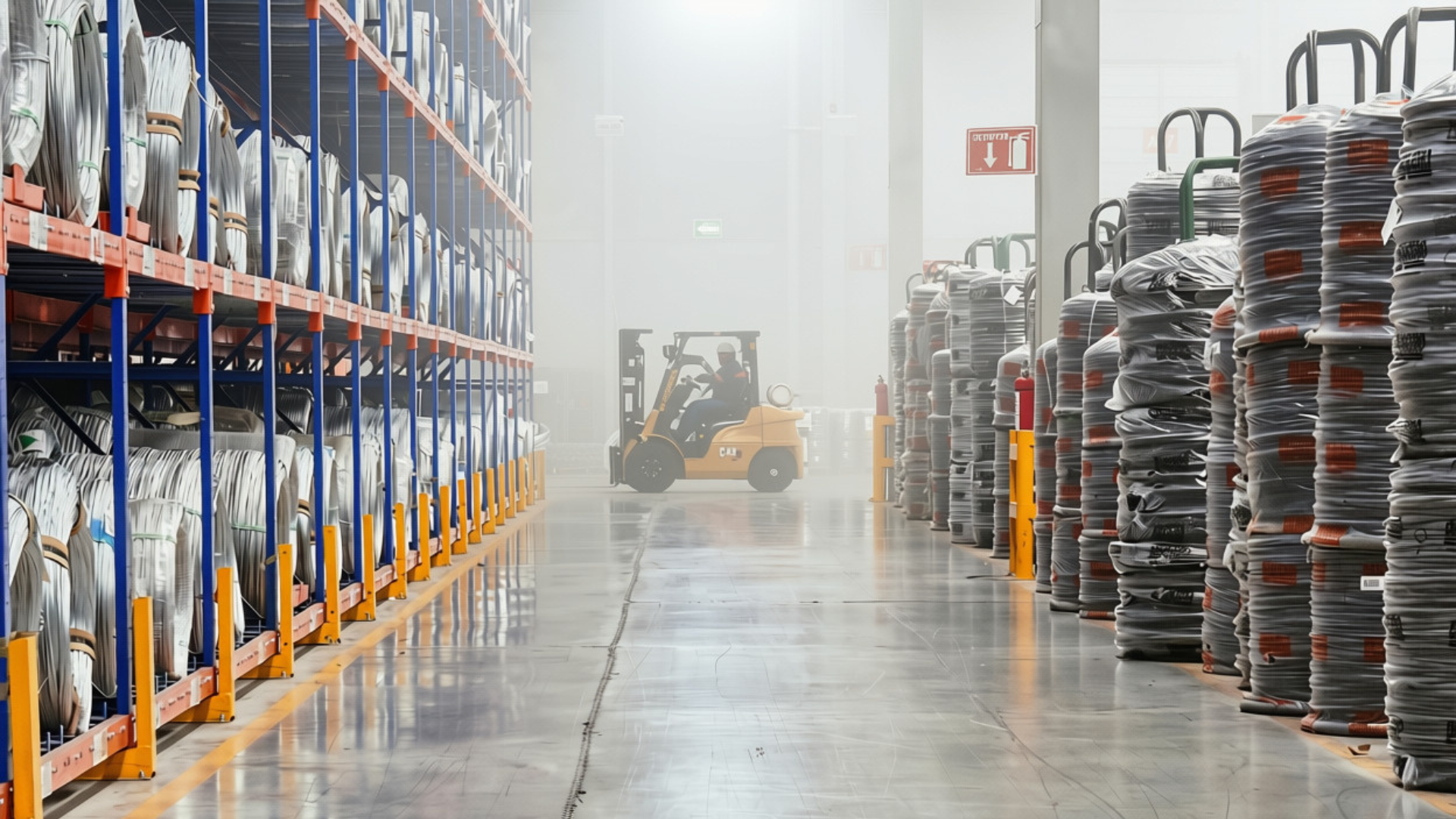
Peracetic Acid (PAA) and Toxic Gas Risk in Food Processing

Temporary Climate Solutions, Remote Monitoring and Control, Food and Pharma, Manufacturing and Industrial Processing, Indoor Air Quality

Toxic gases are an unavoidable part of food and beverage manufacturing, often tied to essential processes like sanitation and disinfection. When these gases go unmonitored, they can quickly compromise worker safety, regulatory compliance, and production continuity. Among the most critical gases in modern food plants is Peracetic Acid (PAA).

Read

Indoor Air Quality Assessments for Building Commissioning

Construction Drying, Remote Monitoring and Control, Indoor Air Quality

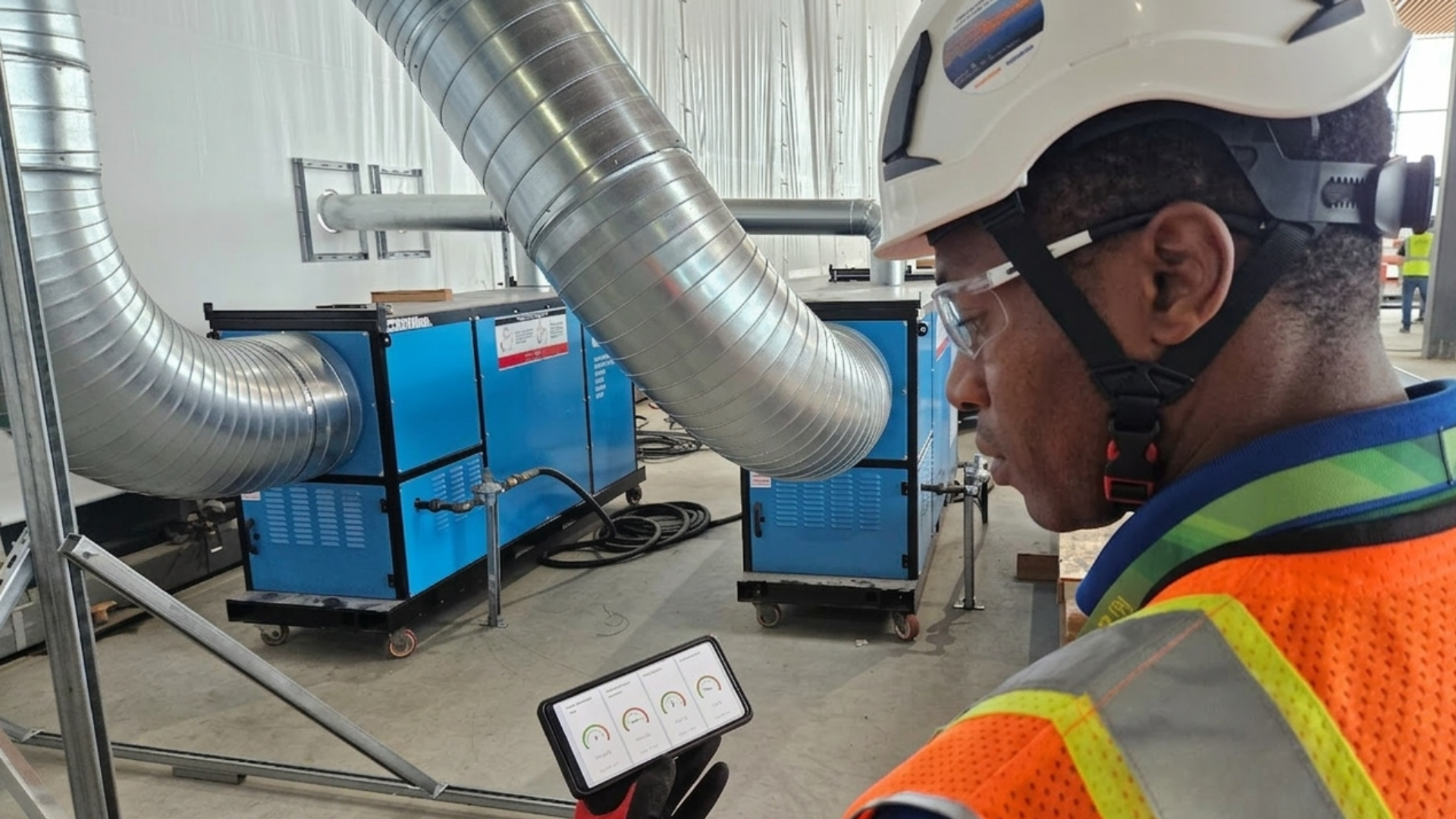
As construction projects near completion, the focus shifts from building performance to occupant health. One critical step before turnover is validating Indoor Air Quality (IAQ) -especially for projects pursuing LEED certification. This is where Polygon plays an important supporting role.

Read

Why Containment Matters in Construction?

Construction Drying, Temporary Climate Solutions, Remote Monitoring and Control, Indoor Air Quality

Containment is an essential yet often overlooked part of construction and a key factor in temporary climate control. It can be set up during pre-construction or in the active build phase, depending on project scope, risks, and environment.

Read

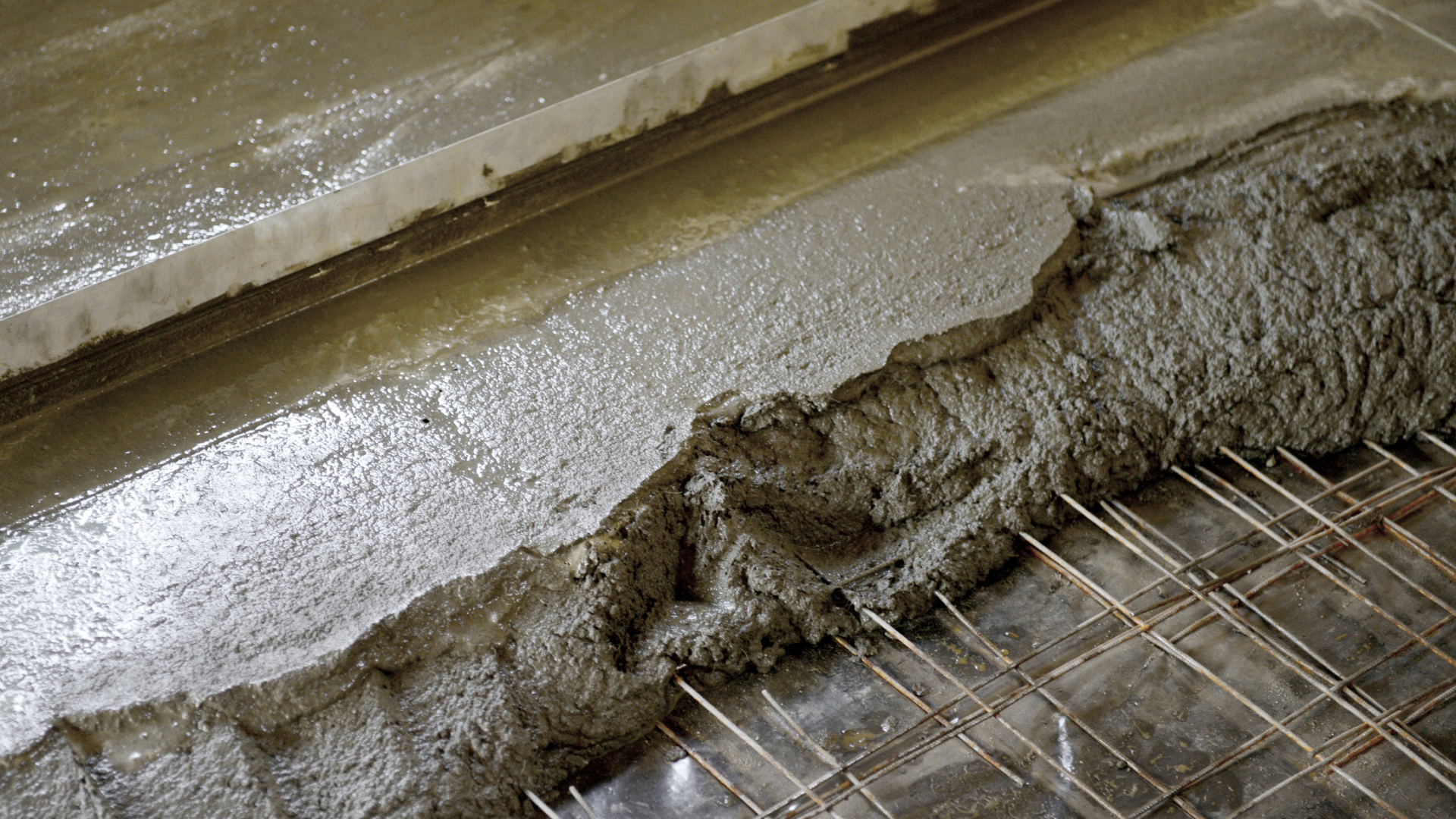
Why drying can’t wait in high-rise construction

Construction Drying, Temporary Climate Solutions, Remote Monitoring and Control, Indoor Air Quality

The high-rise construction sector in the United States is experiencing a sustained boom, driven by growing urban populations, housing shortages, and increased demand for multi-family developments. Nationwide construction remains strong, with developers focused on maximizing land use and accommodating urban growth.

Read

A Beginner’s Guide to Temporary Climate Control Equipment

Construction Drying, Temporary Climate Solutions, Remote Monitoring and Control, Indoor Air Quality

With thousands of climate control equipment models and manufacturers on the market, it can be challenging to know where to start. This guide provides a high-level overview of the core equipment categories, their typical uses, and key considerations. It’s a helpful resource for anyone involved in specifying climate requirements, sourcing equipment, managing power, or tracking sustainability on the job site.

Read