
Notice
You are now leaving Polygon Restoration's website and will be directed to another country in the group.
Do you want to proceed?
Notice
You are now leaving Polygon Restoration's website and will be directed to another country in the group.
Do you want to proceed?

Concrete pouring is a construction phase that looks straightforward at a glance, but once you’re on-site, it’s clear how much coordination is involved. Between formwork, rebar, pumps, and crews working to place and consolidate the material, there’s a lot happening all at once.
And while much of the focus is on the pour itself, what happens immediately after is just as important.
Concrete doesn’t simply dry; it cures through a chemical reaction that develops strength over time. That process is influenced by the environment, both inside and around the slab.
As the material sets, factors like temperature, moisture, and ambient humidity all play a role in how consistently and efficiently it cures. On active job sites, these conditions can shift throughout the day, especially in large or partially enclosed spaces.Because of that, many teams are starting to pay closer attention to what’s happening beyond the surface.
To get a clearer picture of how concrete is curing, teams typically focus on a few key conditions:
Together, these inputs provide a more complete understanding of what’s happening during the curing phase.
As projects become more complex and timelines more compressed, having access to real-time information is becoming less of a luxury and more of a practical advantage.
That’s where solutions like embedded sensors and environmental controls come into play. By combining internal data from within the concrete with broader site conditions, teams can get a more complete view of the curing process as it unfolds.
In many cases, this information is available remotely, making it easier to stay connected to what’s happening on-site without constant manual checks.
With solutions like remote monitoring, teams can access this data without constant site checks, making it easier to confirm readiness, identify inconsistencies early, and make faster decisions.
Polygon’s integrated environmental control solutions connect this equipment directly to live sensor data, allowing systems to automatically turn on or off based on site conditions and curing progress. This closed-loop approach helps maintain consistency, reduce risks like cracking or curling, and keep projects aligned with schedule.
Cooling strategies may include:
On some projects, additional insight can be gained through custom solutions, such as fittings with built-in thermal wells.
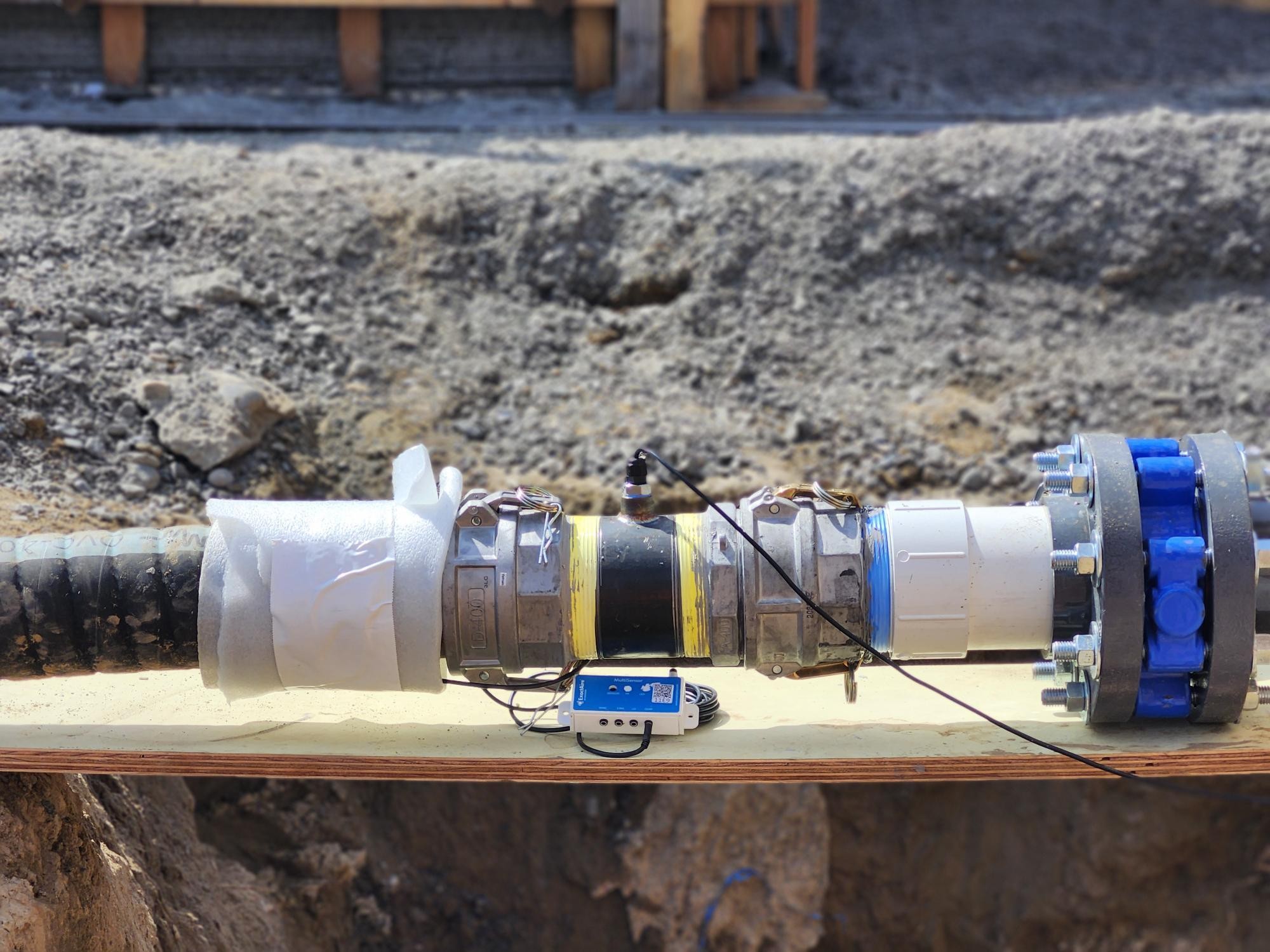
These allow temperature probes to measure water temperatures entering and leaving the slab, giving the GC a clearer view of internal slab behavior in real time.
Combined with monitoring, these approaches help maintain a consistent temperature profile
from the start, supporting a more controlled cure and reliable performance.
Rather than changing how concrete is poured, these tools support how it’s managed afterward, adding another layer of insight to an already well-established process.
With better visibility into curing conditions, teams can move forward with greater clarity, keeping projects aligned with both quality expectations and construction schedules.
Speak with us before your next pour!
Right photo: Washington School for the Deaf, Vancouver Washington, Skanska USA Building / Mithun

Emergency Support
1-800-422-6379Send an email
us_info@polygongroup.com24/7 Hotline
Urgent equipment and operational support
Property damage
Documents and contents damage
24/7 Emergency:
United States: 1-800-422-6379
Canada: 1-888-702-4782
Your questions and comments are important to us. Please send us your information with a description of your needs and we will connect with you promptly.
Polygon US Headquarters
15 Sharpners Pond Road, Building F North Andover, MA 01845
Phone: 1-800-422-6379
See all our US locations here: Polygon US office locations
For global support, please contact one of our offices listed here: Our Global offices - Polygon Group


