Blog – Construction Drying, Remote Monitoring and Control

Don't Wait for the First Freeze: Building a Climate Control Strategy Before Heating Season

When most construction teams think about heating season, they think about heaters. But successful winter projects aren't built around heating equipment. They're built around a plan.

The reality is that winter doesn't create project problems. It exposes them. Delays, quality issues, rising costs, and safety concerns often stem from environmental conditions that weren't considered early enough.

That's why the best heating strategies begin long before temperatures start to fall.

Understand Your Winter Risk

Every project has unique environmental requirements.
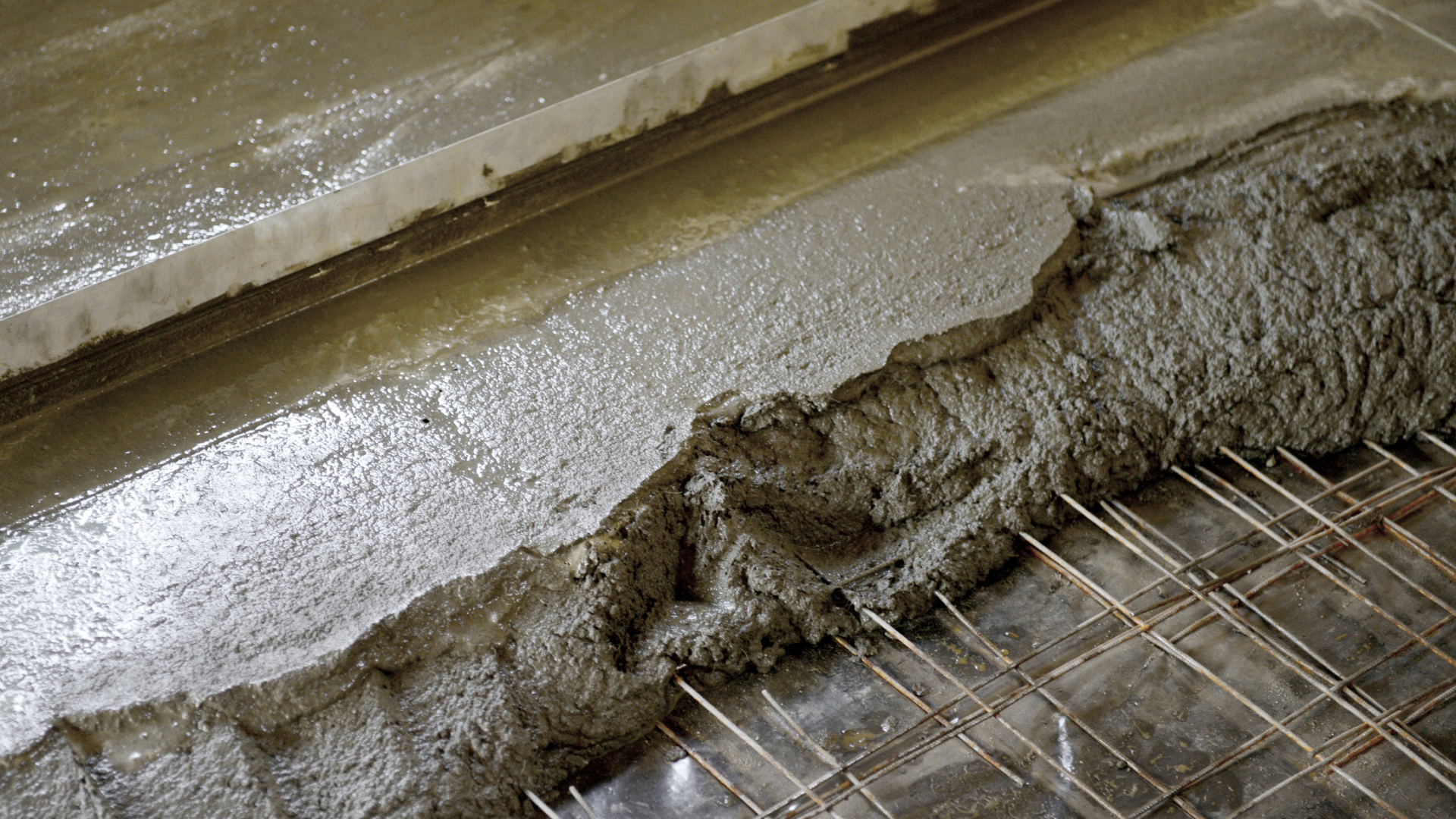
Concrete, drywall, paint, flooring, and other materials all perform best within specific temperature and humidity ranges. As projects move into colder months, maintaining those conditions becomes increasingly important.
Before heating season arrives, ask:
  • Which project milestones will occur during cold weather?
  • What environmental conditions do critical materials require?
  • When will the building become enclosed?
  • How will ventilation needs change as construction progresses?
The earlier these risks are identified, the easier they are to manage.


Plan for More Than Heat

A common mistake is treating winter preparation as simply a heating decision. Effective climate control requires balancing temperature, airflow, ventilation, moisture, and energy consumption.
 
It also means selecting the right heating approach for the environment and phase of construction.
Not all temporary heat performs the same way. The right solution depends on the project's goals, occupancy, ventilation, and environmental requirements.
 
 
Another important consideration is avoiding the temptation to rely on permanent building systems during construction. While it may seem convenient, using permanent HVAC systems too early can introduce unnecessary risks and costs.


Protect Quality, Safety, and Schedule

As buildings become enclosed, environmental management becomes even more critical.
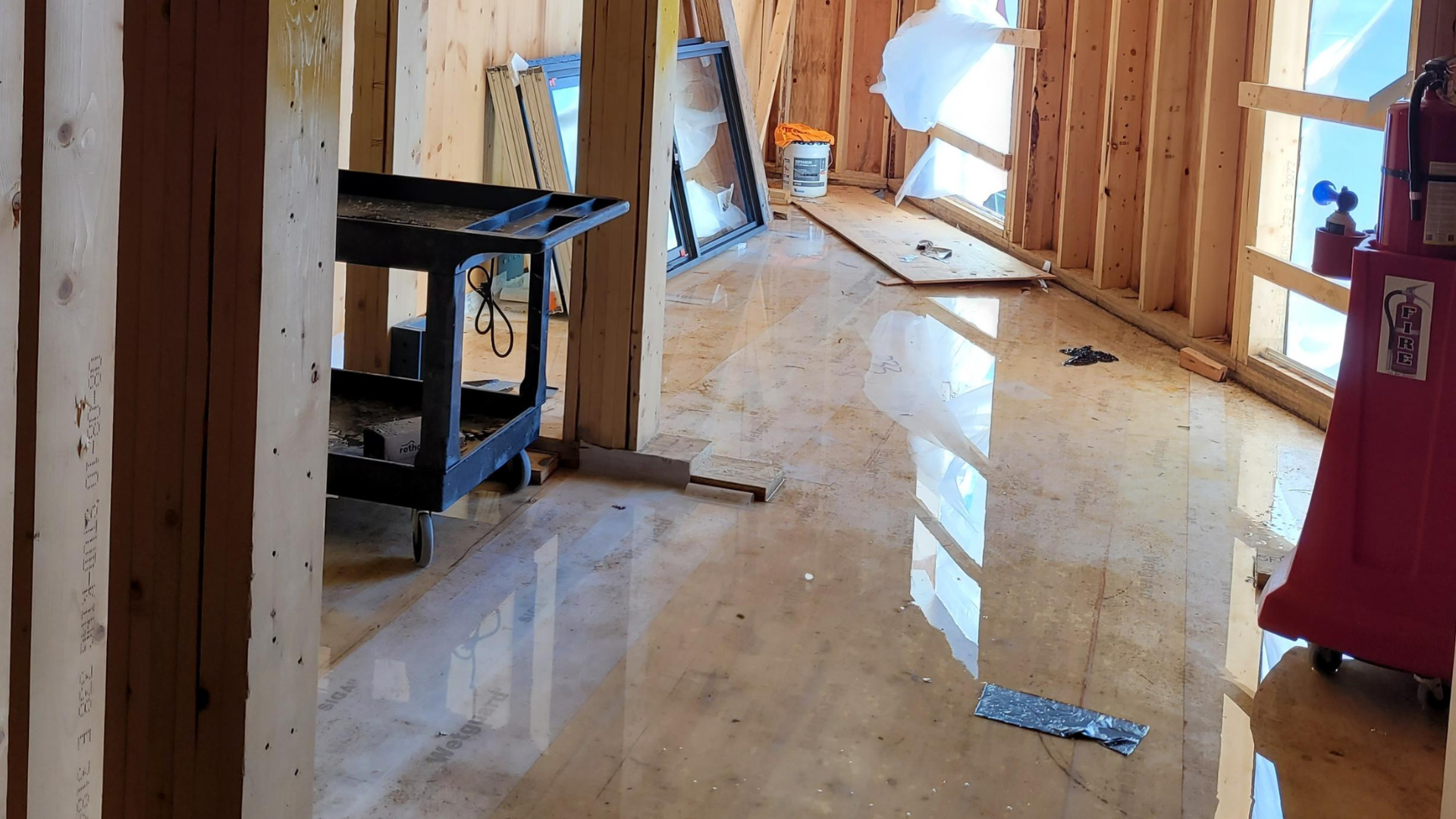
Ventilation decreases, trades work closer together, and air quality concerns increase. Heating equipment that worked well in an open structure may require additional planning as spaces close in.
That's why safety should be part of every climate control strategy, not an afterthought.
 
 
Proactive planning helps reduce the risk of:
  • Schedule delays
  • Rework and quality issues
  • Worker safety concerns
  • Unexpected energy and fuel costs

Get Ahead of Heating Season

Polygon helps project teams monitor conditions, manage climate control, and mitigate winter-related risks before they impact schedules, budgets, and quality.


Five Questions to Ask Before Heating Season

  1. What environmental conditions are required for materials, workers, and schedules to stay on track?
  2. How will temperature and humidity be monitored, documented, and corrected if conditions fall outside target ranges?
  3. Is temporary climate control included in the project plan and budget?
  4. Do we have a strategy in place before the first cold front arrives?
  5. Which project milestones will extend into cold weather?
If those questions don't have clear answers, now is the time to start planning. Because the most successful winter projects don't start in winter.


Carbon Monoxide and Temporary Heaters: Staying Safe as Buildings Close In

Related articles