Notice
You are now leaving Polygon Restoration's website and will be directed to another country in the group.
Do you want to proceed?
Notice
You are now leaving Polygon Restoration's website and will be directed to another country in the group.
Do you want to proceed?
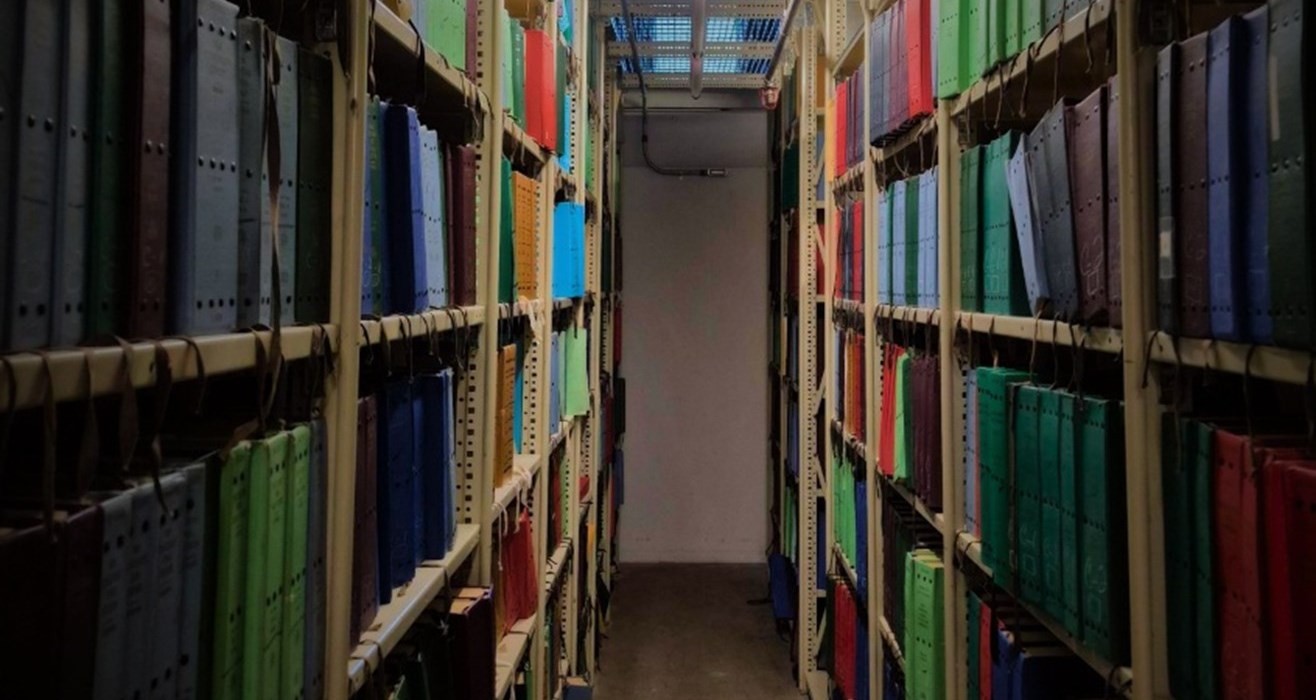
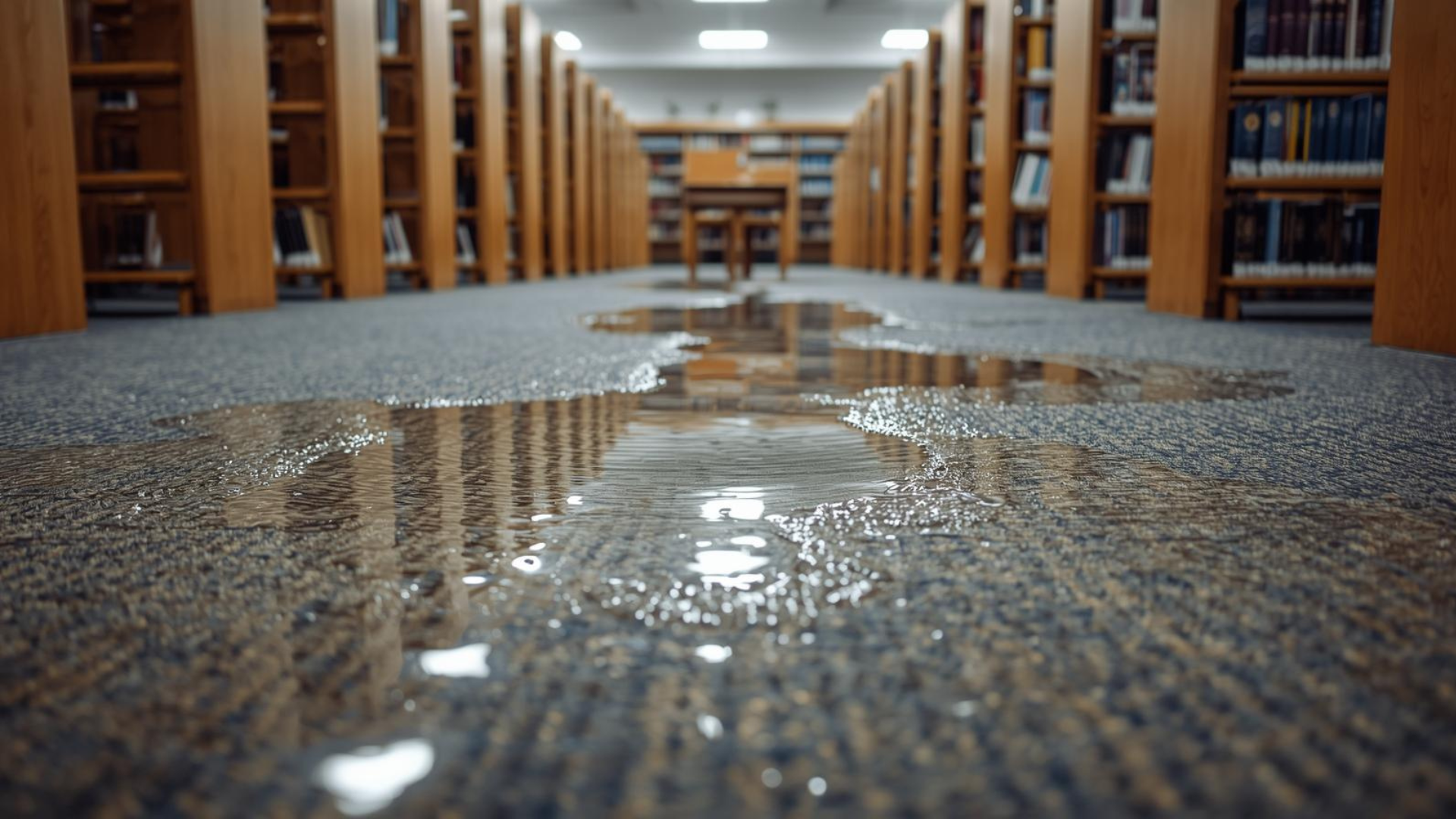
When priceless collections face environmental risk, swift, expert action matters. That’s exactly what the Cleveland Public Library (CPL) needed for its 650,000 books exposed to excessive moisture conditions. In late 2025, CPL embarked on a major initiative at its Lakeshore facility to clean and transport part of their collection to a new, more well-equipped facility. As part of this effort, Polygon was brought in to clean the books and prepare them for transportation.
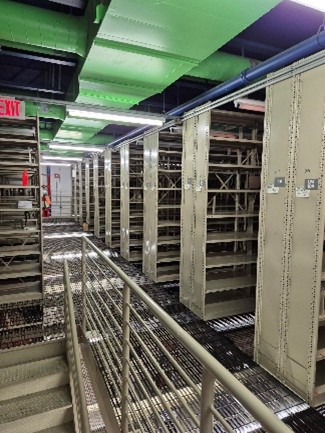
CPL’s Lakeshore facility housed nearly 650,000 volumes of rare historical and irreplaceable books for 35 years. In 2018, an air-conditioning malfunction caused relative humidity inside the facility to spike to 90%, triggering mold growth. Staff estimated that 5-7% of the collection was visibly affected.
Humidity is a primary driver for mold growth on paper‐based materials. According to Kate Passannante, a paper conservator for ICA Art Conservatory in Cleveland, “Mold can grow in a period of 48 hours… humidity is the driving factor.”
Keen to stop the damage from spreading, CPL staff brought Polygon on board. Polygon’s document recovery team cleaned every book and prepared the entire collection for transfer to a new, more centrally located facility built to prevent future mold problems.
“The scope was massive. We cleaned and moved an average of 10,000 books a day,” explained Matt DeCirce,
Product Manager at Polygon. “It is a meticulous process we are careful and swift to implement, but also proud to apply to this collection.”
The cleaning process is described as a “dry cleaning” method: surface cleaning using HEPA vacuums and soot sponges. “Even though only a small portion of the collection was visibly affected by mold,” DeCirce points out. “The decision was made to clean every book before they moved to the new facility out of an abundance of caution.”
For organizations managing archives, libraries, or collections of any kind, this case illustrates several important lessons:
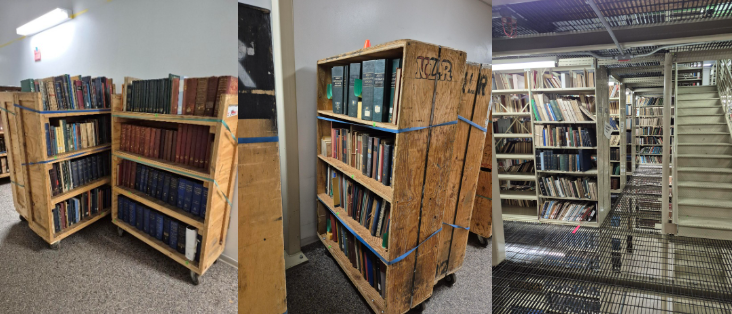
Mold and humidity damage can be devastating to libraries, archives, and cultural institutions. Once contamination occurs, the goal is not only to clean the affected materials but also to create a stable environment that prevents it from returning.
Our teams use specialized dry-cleaning methods, tailored to each client, to safely remove surface mold and particulates without damaging delicate materials. Beyond cleaning, we can also help:
In the Cleveland Public Library project, our role focused on carefully cleaning a total of about 14 miles of collections. For other institutions facing similar challenges, we can offer end-to-end support, from initial assessment and drying to long-term environmental control and monitoring, to help preserve collections for future generations.
The Cleveland Public Library project is an example of how properly executed environmental control and
remediation can save a collection and future-proof it against risk. For institutions that hold archived documents, libraries, special collections, or any paper-based assets, the risk of mold or humidity‐driven damage is real, and the solution is multi-layered.
If you’re managing a collection, whether books, manuscripts, archives, or other sensitive materials, and you’d like to explore how Polygon can help you set up safeguards to prevent damage or help you respond when damage occurs, contact us.
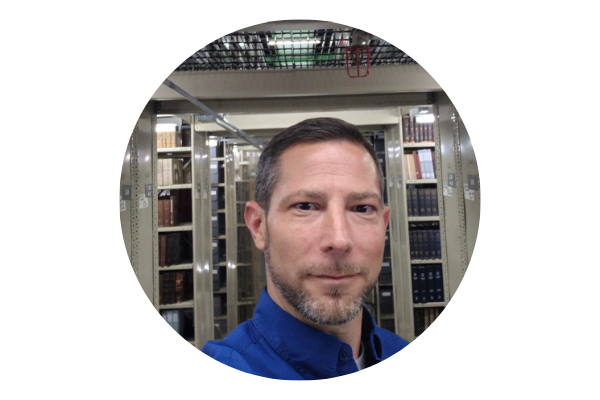
“The scope was massive. We cleaned and moved an average of 10,000 books a day. It’s a meticulous process that we carry out with care and speed, and one we’re proud to apply to this collection. Our approach uses a dry cleaning method with HEPA vacuums and soot sponges. Even though only a small portion of the collection showed visible mold, we made the decision to clean every book before it moved to the new facility out of an abundance of caution.”

Emergency Support
1-800-422-6379Send an email
us_info@polygongroup.com24/7 Hotline
Urgent equipment and operational support
Property damage
Documents and contents damage
24/7 Emergency:
United States: 1-800-422-6379
Canada: 1-888-702-4782
Your questions and comments are important to us. Please send us your information with a description of your needs and we will connect with you promptly.
Polygon US Headquarters
15 Sharpners Pond Road, Building F North Andover, MA 01845
Phone: 1-800-422-6379
See all our US locations here: Polygon US office locations
For global support, please contact one of our offices listed here: Our Global offices - Polygon Group