Notice
You are now leaving Polygon Restoration's website and will be directed to another country in the group.
Do you want to proceed?
Notice
You are now leaving Polygon Restoration's website and will be directed to another country in the group.
Do you want to proceed?
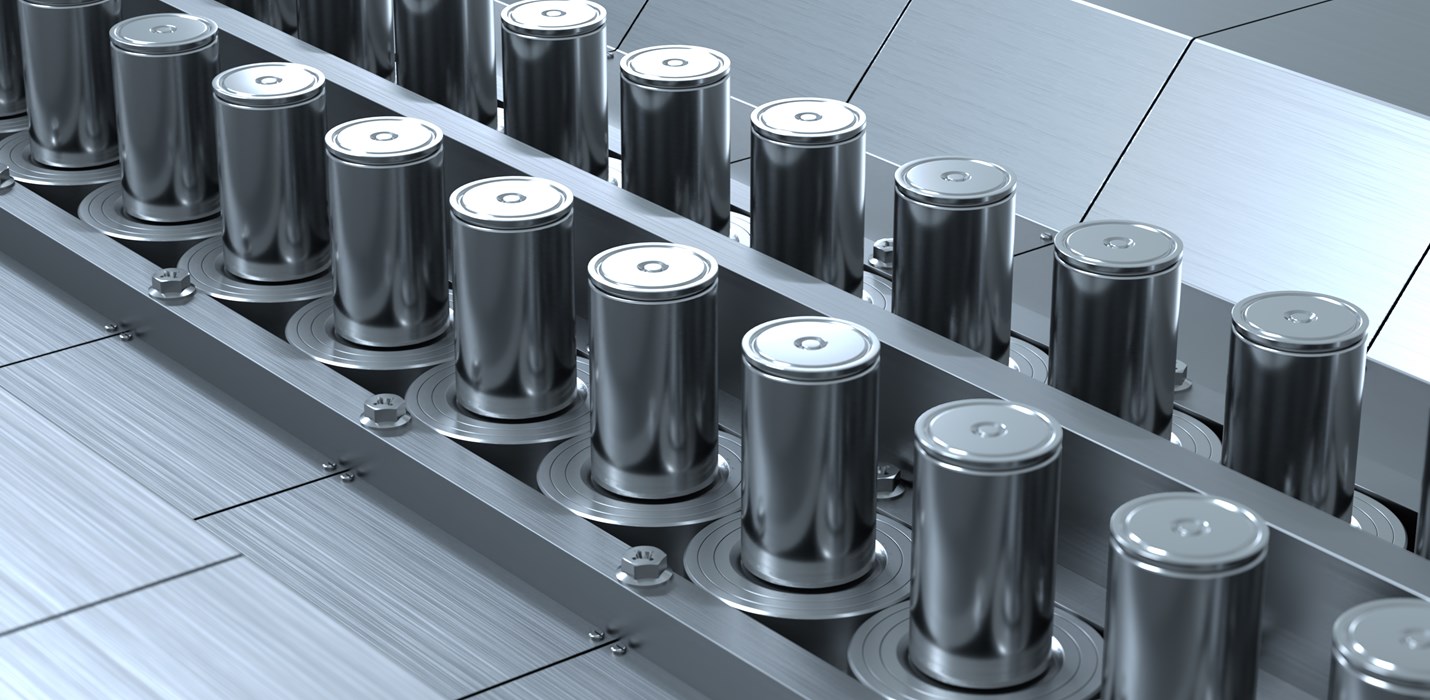
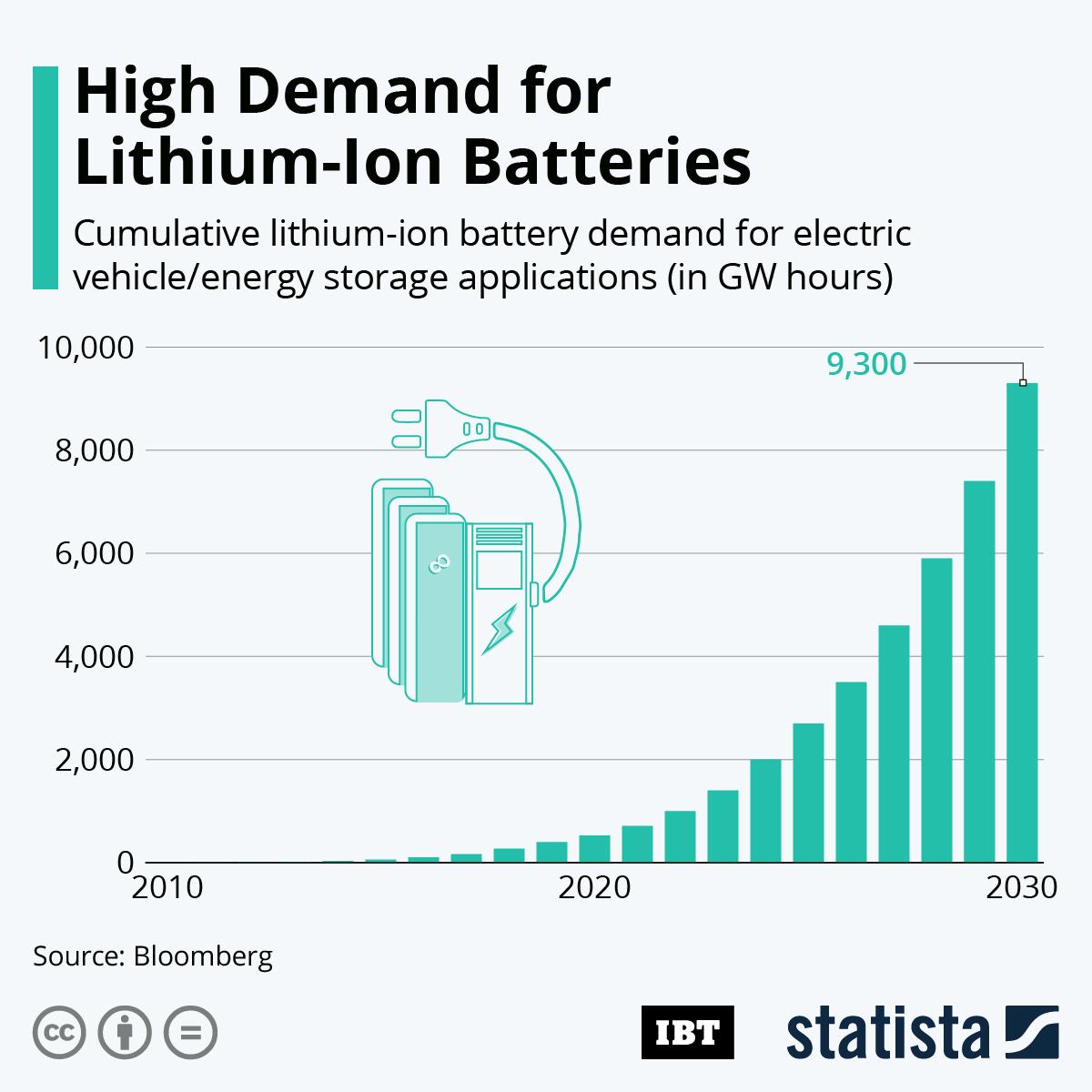
By most accounts, electric vehicles (EVs) are expected to experience large growth over the next 10 – 15 years. Automakers, battery manufacturers and even investors are working hard to estimate exactly how much that growth will materialize and when.
Manufacturing is in full swing to meet current demand, build a pipeline, and realize production efficiencies. But the supply chain is riddled with bottlenecks and shortcomings. While raw material constraints make most of the headlines, manufacturers are also facing longer-than-normal lead times on critical components and ancillary equipment. HVAC and dehumidification equipment are at the top of the list.
In lithium battery production, HVAC systems are not just for keeping staff comfortable but control a critical variable to a complicated, challenging, and often expensive manufacturing process. The processing and handling of electrodes must be done under extremely low humidity, so facilities are outfitted with dry rooms. A dry room is a sealed controlled space that maintains low dew point levels often between -35 to -40 degrees Celsius. Without consistent ideal conditions, batteries can develop defects like gassing and bloating, have degraded performance, reduced life, or fail all together.
There are a number of design features built into dry rooms to ensure their performance and reliability. Engineers consider all aspects including the materials used for walls, door access and vestibules or airlocks, and ventilation. Of particular importance is HVAC system. There are 3 core pillars of a reliable and high-performing HVAC system for dry rooms: desiccant dehumidification, real-time environmental monitoring and control, and engineering and operational expertise.

Desiccant dehumidifiers take water out of the air in a vapor phase unlike a conventional dehumidifier that uses a cold coil to condense the vapor and collect it as condensate. Capturing water as a vapor is critical in low dew point applications like Lithium battery production because the desiccant can reliably remove water molecules well below waters freeze point. When accompanied by other technology and systems, desiccant dehumidification is a superior approach.
Measuring a delivered –40 degree dew point requires special sensors. Controlling or maintaining a production facility at these levels requires continuous monitoring. Having a sensor mounted on the wall is not sufficient to safeguard workers, protect lithium material, or ensure the quality of manufacturing. Dry room conditions need to be continuously monitored with real-time data and alarms for key stakeholders.
Facilities are at risk of wasting time or under-performing if the system is sized, configured, installed, or serviced by people who don’t understand the technology or the application. Partnering with a climate control specialist with intimate knowledge of the equipment - especially in the field - can make the difference.
No doubt these 3 core pillars can guide a team towards the best HVAC technical solution. However, specifying and installing the right permanent equipment can take 1-2 years. Permanent equipment is often categorized as capital expenditure requiring a higher level of consideration and investment. Delivery and acceptance of the equipment can take upwards of 40 weeks making it difficult to ramp up operations to meet short-term demand.
Temporary equipment from experts with dry room experience is easier to find – and fund. Polygon is a leader in engineered temporary climate control solutions able to rapidly assess requirements and turn them into a custom system configuration. Our engineers and operations teams are well-versed in scoping, delivering, and servicing equipment for fast-paced, high-risk manufacturing processes with tight timelines like lithium-ion batteries, pharmaceuticals, and Covid Test facilities. Furthermore, we can leverage our national fleet of equipment and state-of-the-art remote monitoring and control technology for the very best outcome including achieving and maintaining a -40 C dew point for dry rooms.
Image Source: https://www.ibtimes.com/infographic-high-demand-lithium-ion-batteries-3106523
FROM THE FIELD “After contacting Polygon to support our dry air needs, Polygon followed up with key questions for available electrical connections, cooling supplies, and available space. [They] built a preliminary layout and had the necessary equipment shipped to site. Two to three weeks after PO award, we had a fully functional dry air system, with equipment feedback integrated into our control systems, supplying our new production line with 20,000 CFM of dry air. Our project would not have been successful without Polygon’s support.”

Emergency Support
1-800-422-6379Send an email
us_info@polygongroup.com24/7 Hotline
Urgent equipment and operational support
Property damage
Documents and contents damage
24/7 Emergency:
United States: 1-800-422-6379
Canada: 1-888-702-4782
Your questions and comments are important to us. Please send us your information with a description of your needs and we will connect with you promptly.
Polygon US Headquarters
15 Sharpners Pond Road, Building F North Andover, MA 01845
Phone: 1-800-422-6379
See all our US locations here: Polygon US office locations
For global support, please contact one of our offices listed here: Our Global offices - Polygon Group