Notice
You are now leaving Polygon Restoration's website and will be directed to another country in the group.
Do you want to proceed?
Notice
You are now leaving Polygon Restoration's website and will be directed to another country in the group.
Do you want to proceed?
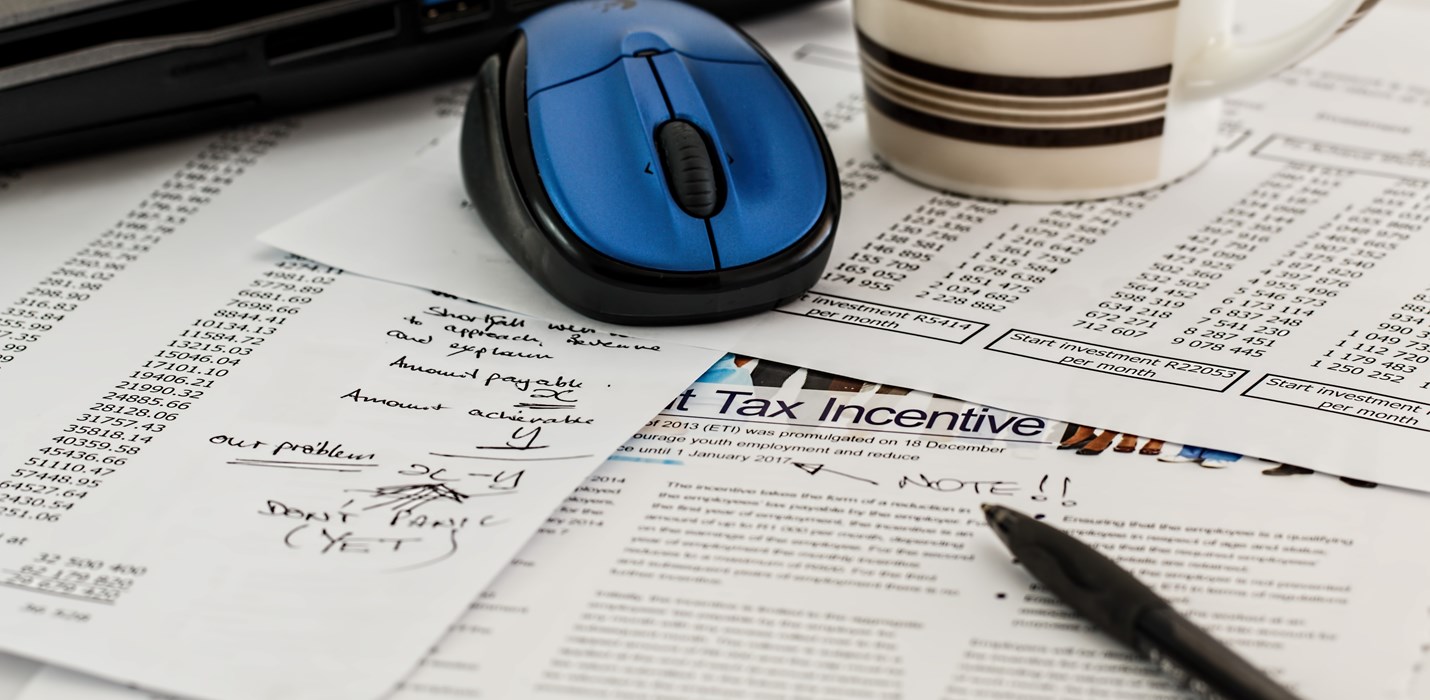
When Benjamin Franklin cleverly stated that the only certainties in life are death and taxes, he did not foresee the amount of paperwork that future generations of printing presses would produce. With time, file cabinets fill with documents that you will rarely need, but know are important to keep. Thankfully, modern technology has made it possible to reduce clutter by saving documents in digital formats that ensure easy accessibility, storage and document recovery. Knowing when to keep original files and when to shred them will help reduce clutter and make your document management efforts simpler.
When scanning documents, refer to your organization’s record management policies regarding the retention and destruction of files. Depending on your industry and the type of document, federal and state regulations may mandate that you retain original documents for a specific period.
It is a good idea to retain legal documents and those that are difficult to replace, such as:
In addition to storing these documents in a safe place, scan them so you have a copies available should something happen to the originals to make document recovery simpler.
The Internal Revenue Service recommends that you keep tax records and supporting documents (e.g., tax-related forms and receipts) for the following lengths of time:
The IRS states that you should keep employment tax records for at least four years after the date the tax is due or the date you paid, whichever is later.
When in doubt, keep tax records for at least seven years. Before scanning tax documents and discarding them, verify that you will not need them for other purposes. In some cases, auditors, creditors or insurance companies may require you to keep them for longer periods.
The best time to scan documents is as soon as you receive them. While there are regulations regarding when you may dispose of documents, there are no limitations on when you may create digital copies. The greatest advantage to scanning documents as they arrive to your office—whether they’re simple receipts or legal documents—is that you’ll have them readily available if you need to refer to them in the future. Scanning paperwork also helps expedite document recovery if the originals receive damage.
A good document management plan includes knowing what records exist, when to dispose of them, and how to salvage them after a disaster. Be proactive about your firm’s disaster preparedness plan by taking advantage of Polygon’s complimentary Code Blue program. The program helps you create a document recovery plan, reduces the financial impacts of a disaster, and gives you priority access to our 24/7 services. Get in touch with a specialist today to schedule a consultation.

Emergency Support
1-800-422-6379Send an email
us_info@polygongroup.com24/7 Hotline
Urgent equipment and operational support
Property damage
Documents and contents damage
24/7 Emergency:
United States: 1-800-422-6379
Canada: 1-888-702-4782
Your questions and comments are important to us. Please send us your information with a description of your needs and we will connect with you promptly.
Polygon US Headquarters
15 Sharpners Pond Road, Building F North Andover, MA 01845
Phone: 1-800-422-6379
See all our US locations here: Polygon US office locations
For global support, please contact one of our offices listed here: Our Global offices - Polygon Group