Notice
You are now leaving Polygon Restoration's website and will be directed to another country in the group.
Do you want to proceed?
Notice
You are now leaving Polygon Restoration's website and will be directed to another country in the group.
Do you want to proceed?
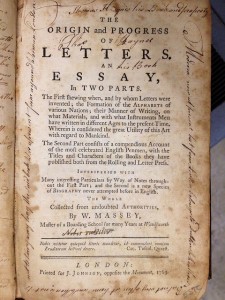
There is only one Rosetta Stone, but photographs have helped preserve the myriad of languages carved into it. Similarly, libraries across the world are looking to document scanning to preserve historical and rare texts in their collections so that future generations can study and enjoy them. Along with texts, libraries are digitizing audio and video recordings, and transcribing oral histories. With the help of grants and the right equipment, librarians and archivists have the means to modernize their collections and make it accessible to the public.
The Library of Congress and other libraries around the world are taking steps to preserve and provide long-term, durable access to artifacts and collections, such as texts, manuscripts, art, photographs and Web content. While preservation efforts give the public access to items they may have never otherwise seen, document scanning serves as a way to retain original collection items accurately and fully in a digital form so that they may flourish beyond their physical lifespan.
Scanning and digitizing historical materials poses unique challenges in regards to file formats, the technologies used, image metadata, content categories, imaging frameworks, project planning, and digitization guidelines. Before scanning, librarians and archivists must consider factors such as:
As the world goes digital, libraries are keeping pace. There are already millions of public domain books and publications in digital formats for library patrons and Web searchers to view. In many instances, readers can conduct searches within a digitized text using key words.
Digital technologies are a growing part of library systems. While it may seem as fewer patrons use library services, digital technologies allow libraries to serve more customers than ever before. Reference desks, for example, now use live chats and emails to assist digital patrons with finding accurate, through and reputable information online and at the library.
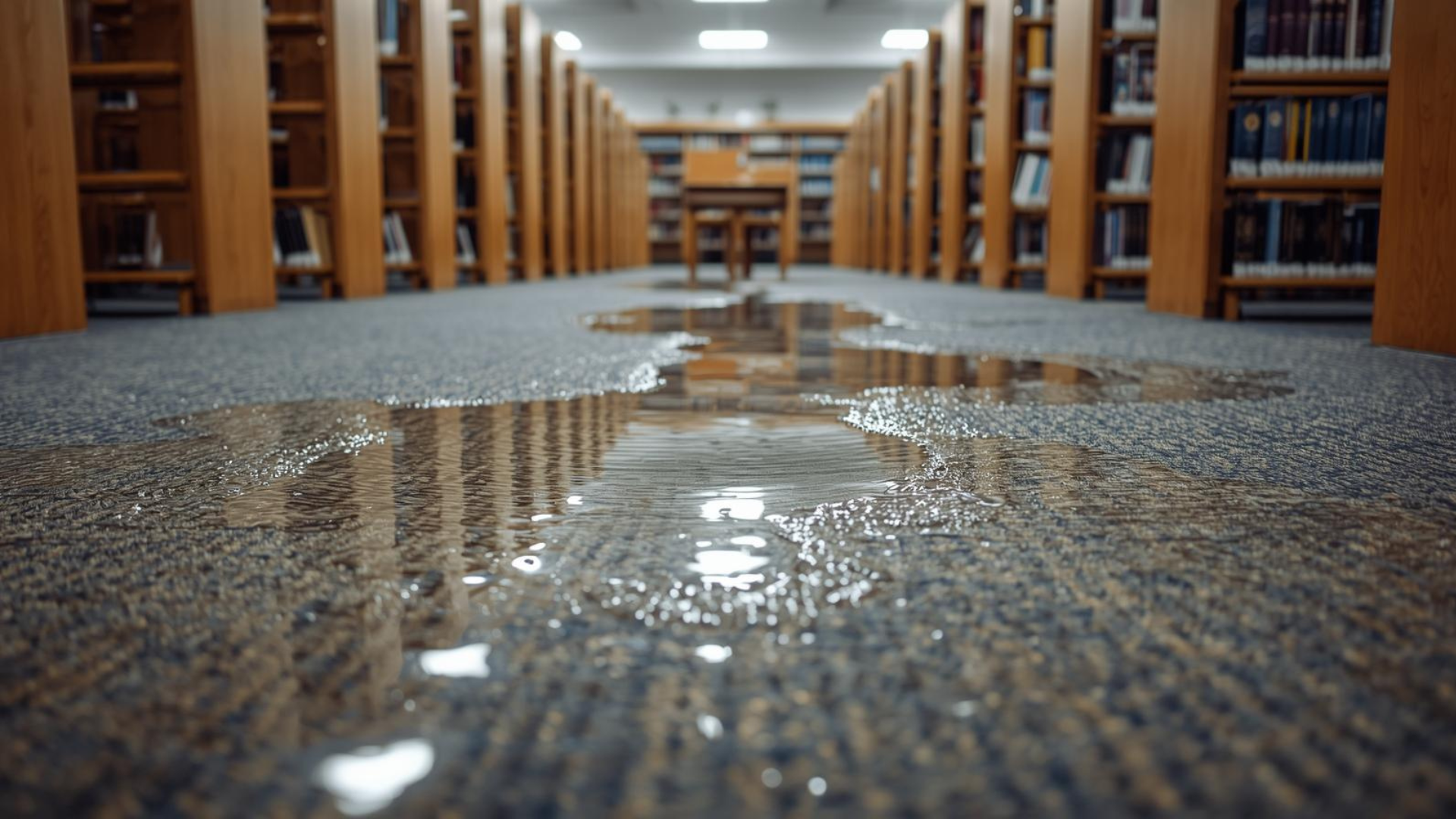
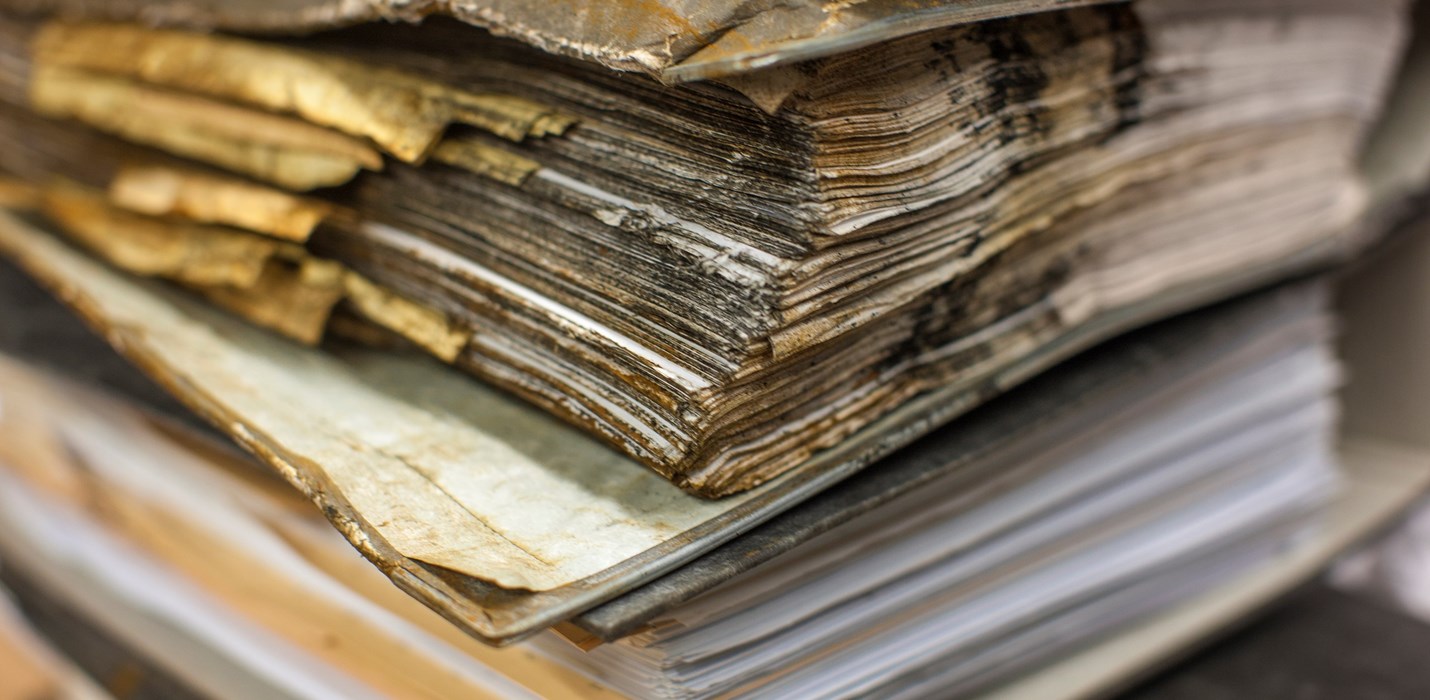
The Library of Congress warns that disasters pose several threats to collections in the process of being digitized. It points out that preparedness is the best way to mitigate damage and losses, and reminds readers that the best plans can’t eliminate all threats. For this reason, the best emergency preparedness plans always include recovery and business continuity plans.
Libraries don’t have to face the challenge of stabilizing damaged and wet collections on their own. With Polygon’s Code Blue program, archivists work with recovery specialists to create a response and recovery plan that includes the best ways to stabilize, dry and clean affected collects using the safest, most technologically advanced methods available. Contact Polygon to learn more about Code Blue and getting your library priority access to document recovery services after a disaster.

Emergency Support
1-800-422-6379Send an email
us_info@polygongroup.com24/7 Hotline
Urgent equipment and operational support
Property damage
Documents and contents damage
24/7 Emergency:
United States: 1-800-422-6379
Canada: 1-888-702-4782
Your questions and comments are important to us. Please send us your information with a description of your needs and we will connect with you promptly.
Polygon US Headquarters
15 Sharpners Pond Road, Building F North Andover, MA 01845
Phone: 1-800-422-6379
See all our US locations here: Polygon US office locations
For global support, please contact one of our offices listed here: Our Global offices - Polygon Group