Notice
You are now leaving Polygon Restoration's website and will be directed to another country in the group.
Do you want to proceed?
Notice
You are now leaving Polygon Restoration's website and will be directed to another country in the group.
Do you want to proceed?
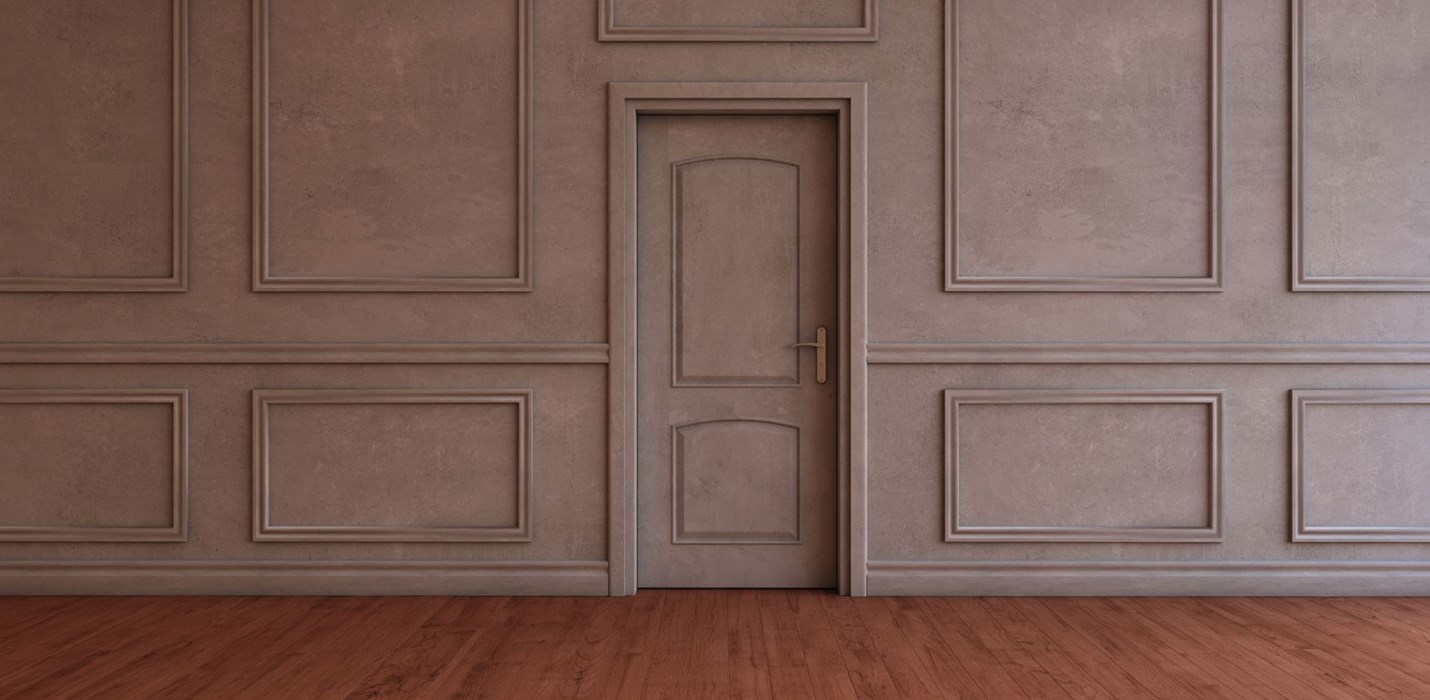
Whether it be a courthouse, performing arts center, or luxury mixed-use, millwork and other high-end finishes can make or break a design and budget. If not installed under proper environmental conditions, the aesthetics, function, and value of using the materials can be compromised.
Wood is a hygroscopic material, meaning that it absorbs and releases moisture from the air. When temperature and humidity fluctuate, the wood expands and contracts. This is called wood movement. Too much wood movement can lead to damage or quality issues.
Properly monitoring and controlling construction spaces can minimize the impact of dimensional changes in wood. Specifically, when real-time monitoring is used to automatically control climate control equipment ON/OFF the approach is very effective. Not only is an actively managed system able to maintain spec conditions more precisely, but it also has the potential to use less energy than rental equipment alone. In addition, an integrated system can alert stakeholders if conditions are falling outside these tolerances and deliver reports for documentation purposes.
When creating the ideal climate, it is important to adhere to the specific climate zone applicable to the product to help reduce defects. Many projects or manufacturers will specify conditions for the best results and may even require it for warranties. Specs might also be based on recommendations from industry organizations. For example, The Architectural Woodwork Institute provides the following tolerances for wood moisture content and relative humidity.

Source: Architectural Woodwork Institute
Best Practices for Protecting Millwork
While monitoring and controlling conditions during installation are critical, your team should take great care in other areas too. Consider these best practices throughout the construction phase to protect your millwork.
Storage:
Installation:
Commissioning:
Polygon's expertise in designing, installing, and managing temporary climate control, air filtration, and remote monitoring solutions makes us an ideal partner in construction projects involving millwork and other high-end finishes. Our proactive remote monitoring approach, coupled with autonomous equipment control, helps clients effectively manage millwork specifications, accelerate drying processes, and meet budget and sustainability goals.
Reach out to us to learn how to use this technology on your next project.
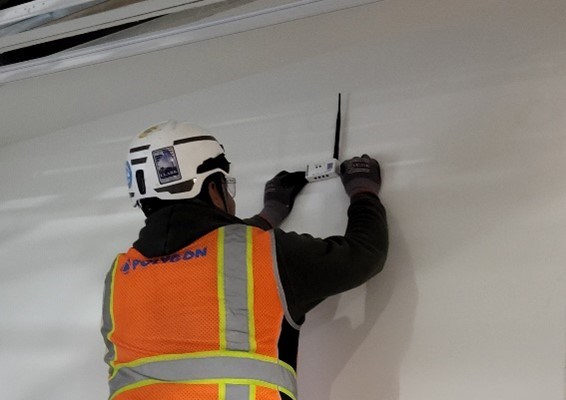
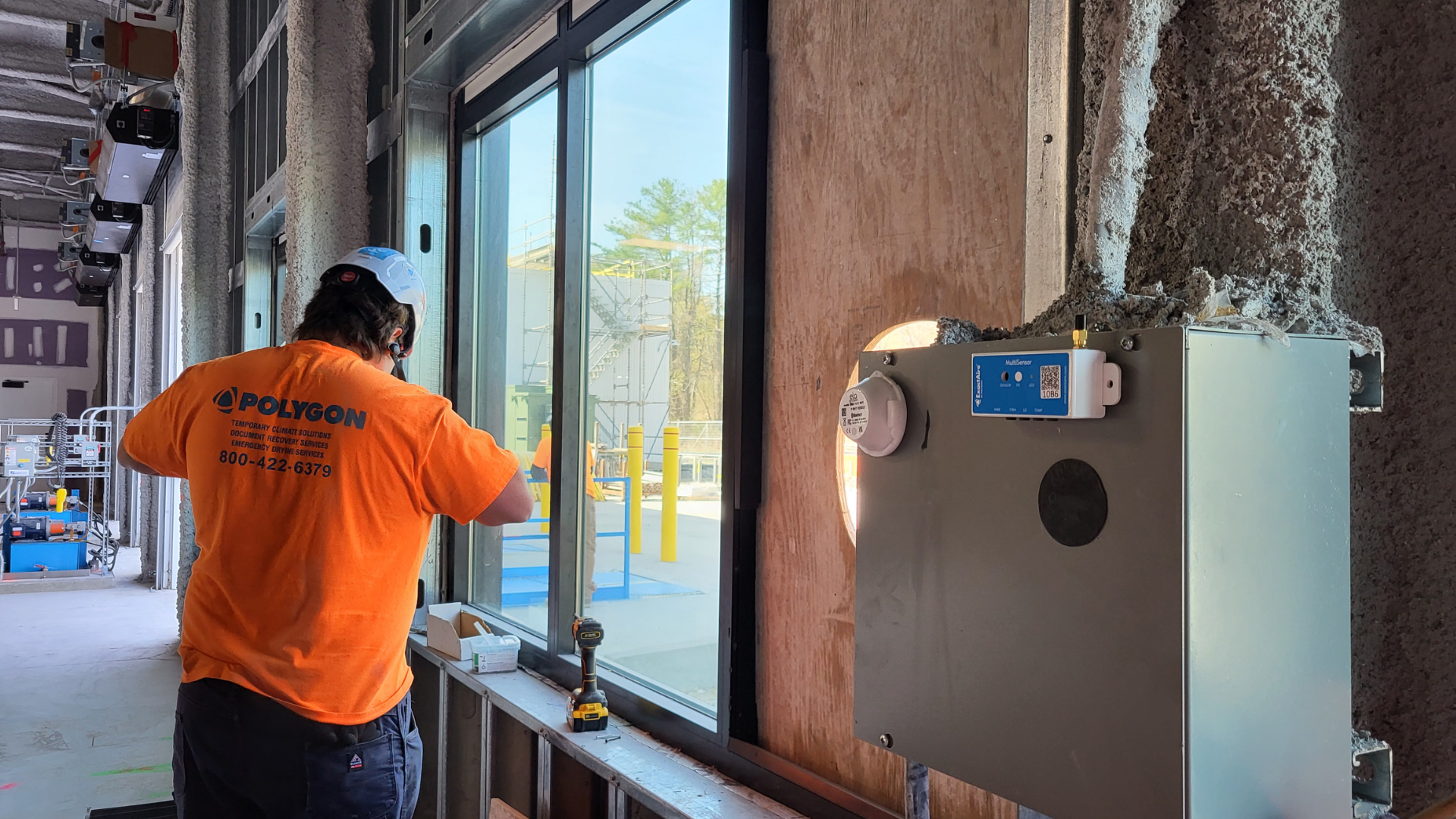
Polygon operations engineering installing a Temp/RH sensor in the Sacramento Courthouse during construction.

Emergency Support
1-800-422-6379Send an email
us_info@polygongroup.com24/7 Hotline
Urgent equipment and operational support
Property damage
Documents and contents damage
24/7 Emergency:
United States: 1-800-422-6379
Canada: 1-888-702-4782
Your questions and comments are important to us. Please send us your information with a description of your needs and we will connect with you promptly.
Polygon US Headquarters
15 Sharpners Pond Road, Building F North Andover, MA 01845
Phone: 1-800-422-6379
See all our US locations here: Polygon US office locations
For global support, please contact one of our offices listed here: Our Global offices - Polygon Group