Notice
You are now leaving Polygon Restoration's website and will be directed to another country in the group.
Do you want to proceed?
Notice
You are now leaving Polygon Restoration's website and will be directed to another country in the group.
Do you want to proceed?
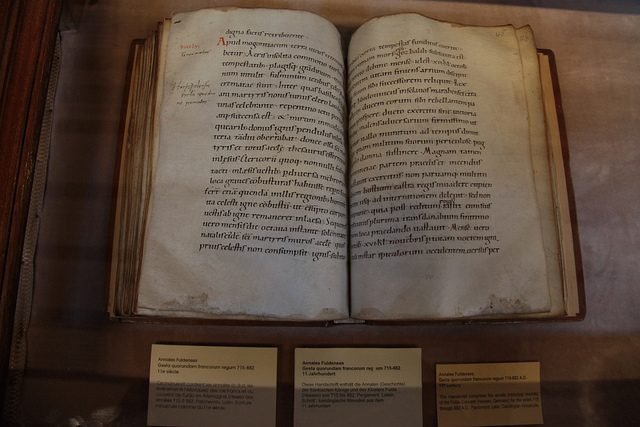
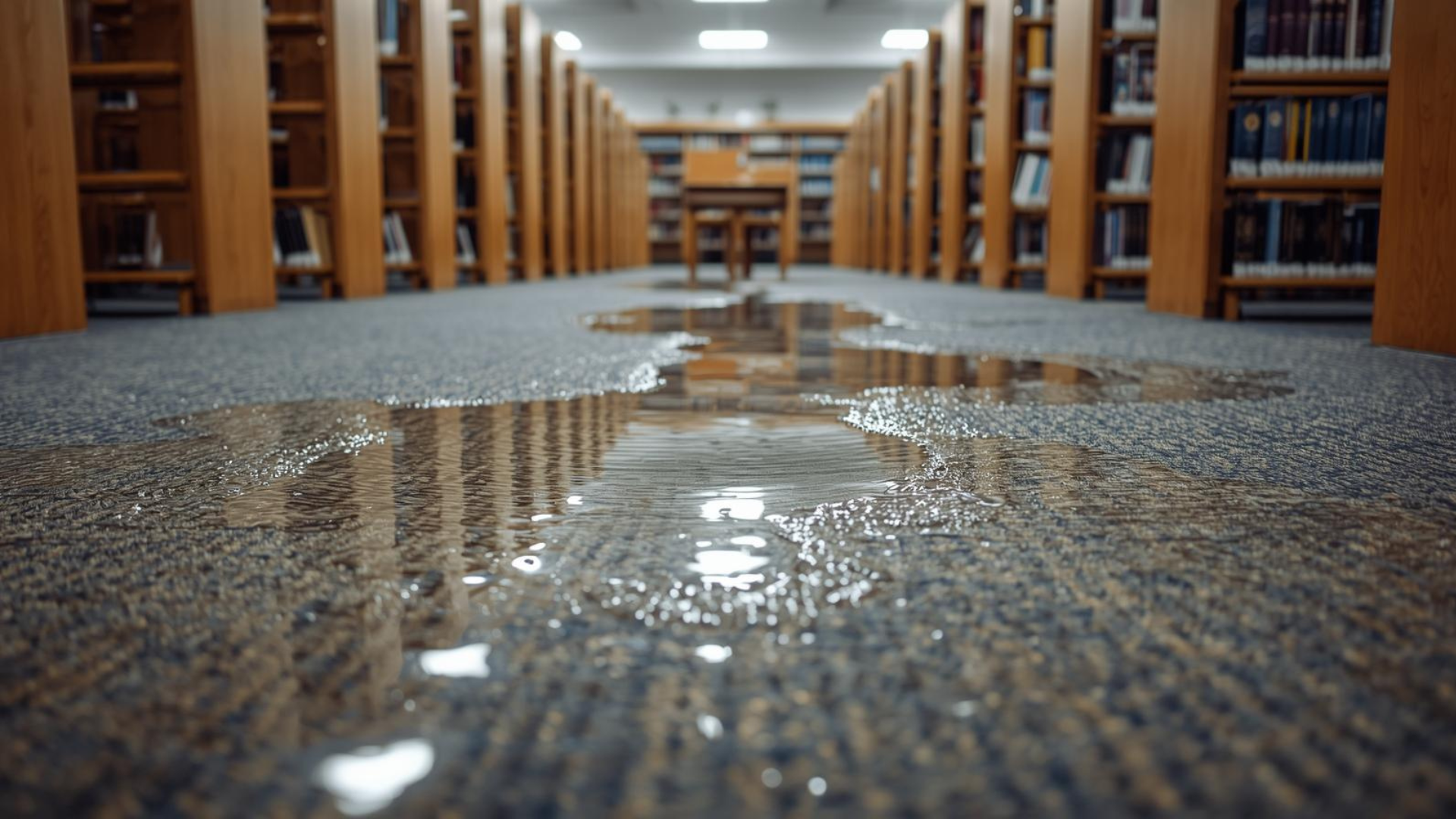
Historic properties are just as vulnerable to natural disasters as homes and commercial buildings. In addition to detailed artisanship, historic properties often store invaluable documents and art with cultural significances that may be irreplaceable if the building experiences a flood, fire or structural failure. By having a disaster plan and working with a General Services Administration-, or GSA-, certified contractor, you can salvage damaged items and minimize cultural and financial losses.
The first steps that you take after a natural disaster are crucial. As these situations are undoubtedly stressful, knowing the salvage priorities in advance will help you stabilize wet and damaged documents in a timely manner.
After a disaster, turn off the gas, water and electricity before entering the building. Then consult with an engineer to make sure the structure is safe to enter. As you plan to inventory the damage, work with a partner to create a suitable area to hold documents and art that need drying or restoration. This area will need items such as drying stations for air-drying documents and pallets for stacking items that you’ll freeze off-site.
When inventorying the damage, begin with the highest priority items. These items include those that are:
In historic properties, restoration and repairs are generally better than replacements because of the historical significance of items and the cost or ability to find matching replacements. A GSA-certified contractor will work with you to:
The best way to salvage wet documents depends on the material type. A GSA-certified contractor may recommend that you do the following to minimize damage until restoration specialists arrive:
When you work with a GSA-certified contractor, like the Polygon, the technicians will evaluate the damaged documents and art before beginning the drying and salvaging process. Drying techniques include air drying, dehumidification and vacuum freeze-drying. The specialized techniques not only dry wet media, but also help prevent further damage. If necessary, the technicians may also clean documents using gentle methods that ensure the preservation of the works.
The best recovery efforts are backed by a comprehensive preparedness plan. Such plans help identify risks and detail action steps to complete after a disaster, which will save an organization time, stress and money. To learn more about creating a disaster plan or salvaging your historic property after a disaster, get in touch with Polygon today.
Photos by Leeann Cafferata and Alexandre Dulaunoy via CC license.

Emergency Support
1-800-422-6379Send an email
us_info@polygongroup.com24/7 Hotline
Urgent equipment and operational support
Property damage
Documents and contents damage
24/7 Emergency:
United States: 1-800-422-6379
Canada: 1-888-702-4782
Your questions and comments are important to us. Please send us your information with a description of your needs and we will connect with you promptly.
Polygon US Headquarters
15 Sharpners Pond Road, Building F North Andover, MA 01845
Phone: 1-800-422-6379
See all our US locations here: Polygon US office locations
For global support, please contact one of our offices listed here: Our Global offices - Polygon Group