Notice
You are now leaving Polygon Restoration's website and will be directed to another country in the group.
Do you want to proceed?
Notice
You are now leaving Polygon Restoration's website and will be directed to another country in the group.
Do you want to proceed?
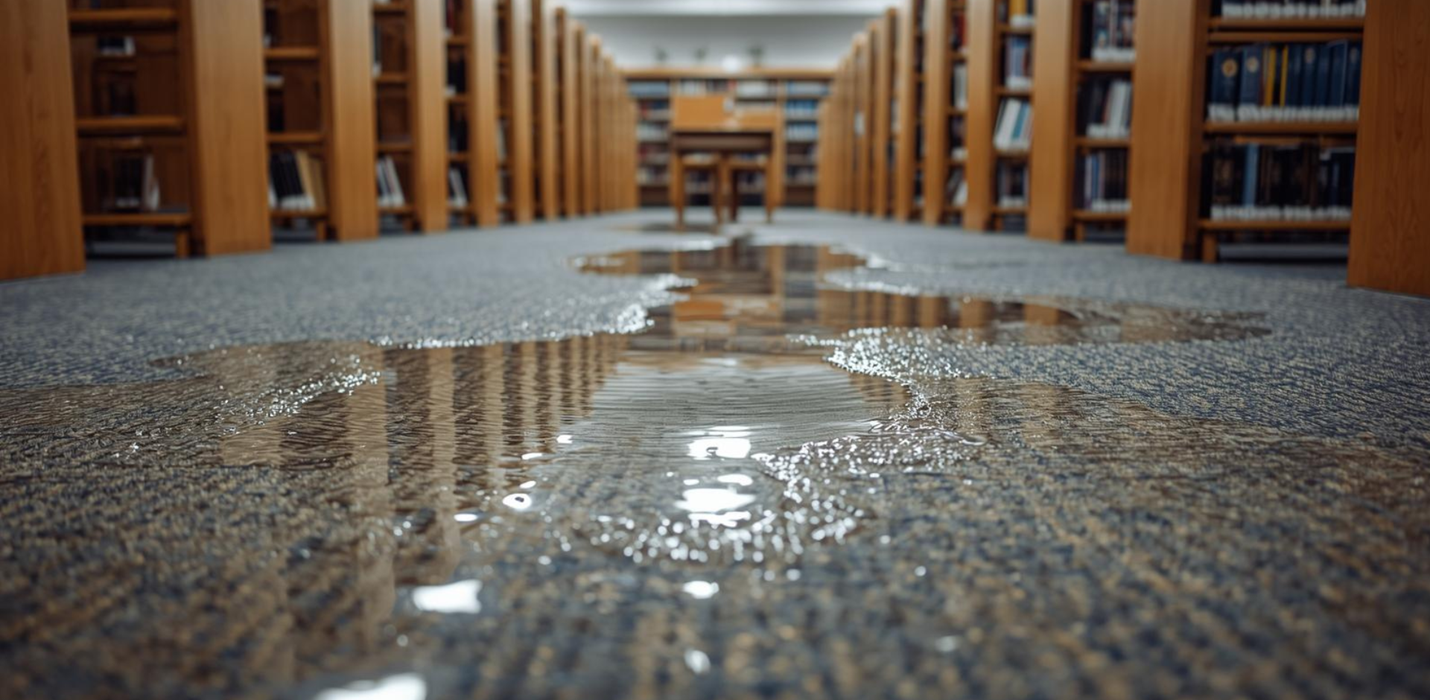
When temperatures drop, archives, libraries, and records storage facilities face hidden risks that extend beyond cold air and low humidity. Frozen pipes and sudden bursts can release hundreds of gallons of water in minutes, threatening the safety of irreplaceable files, books, and archival materials. For organizations responsible for preserving cultural heritage and critical records, a proactive approach to water management can mean the difference between minimal disruption and a devastating loss.
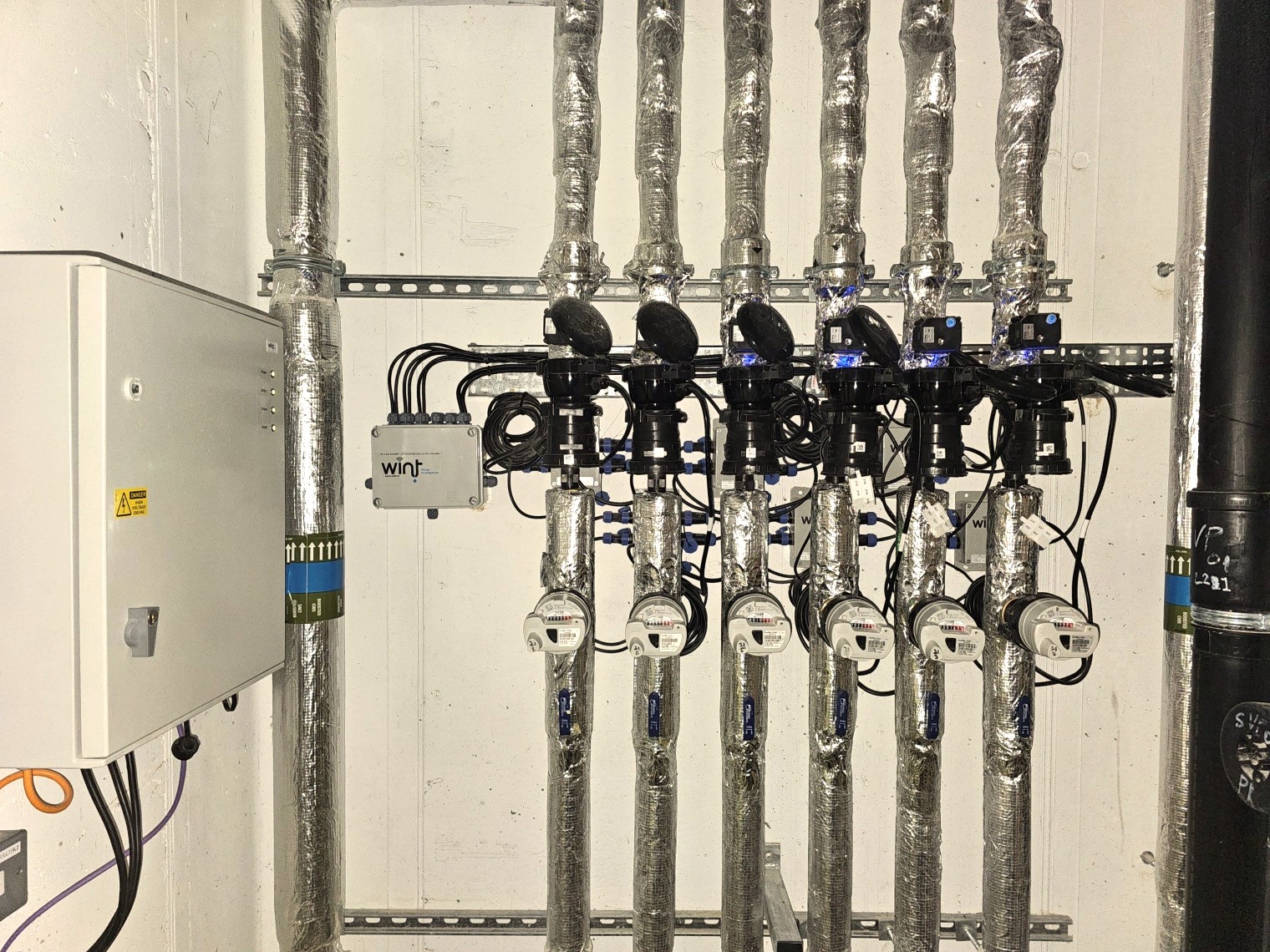
Polygon’s WINT Water Risk Management solution provides that proactive protection. Designed to detect leaks early, alert staff in real time, and even shut off water automatically, it gives facilities continuous oversight of one of their most unpredictable winter hazards.
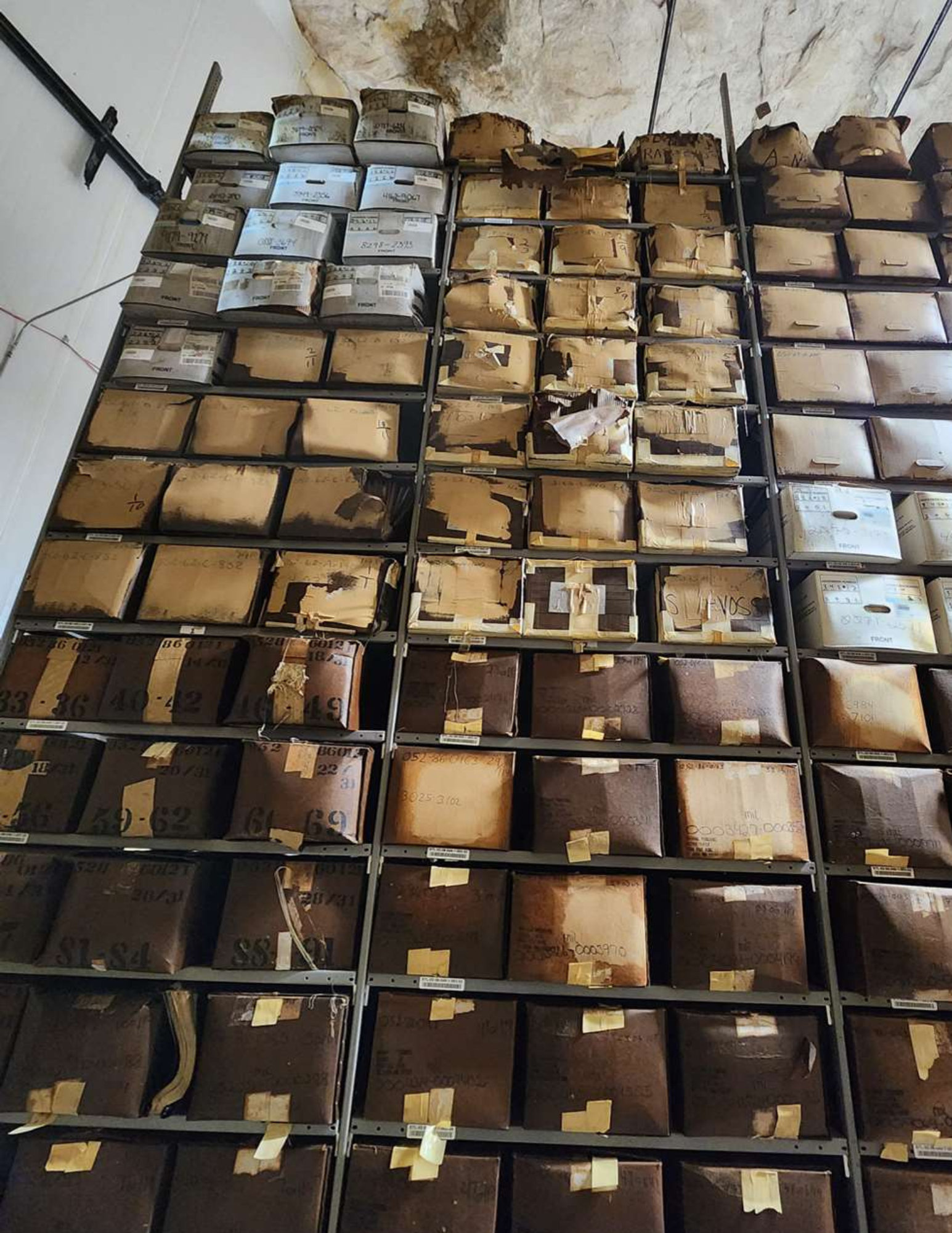
When water freezes inside pipes, it expands, creating pressure that can rupture metal or PVC lines. The moment temperatures rise again, that frozen water turns to liquid and floods into the surrounding spaces. For collection areas located in basements, mechanical rooms, or behind walls, the damage can spread quickly.
Even small leaks can be equally dangerous. A slow drip over time can raise relative humidity, encourage mold growth, and weaken paper and bindings long before anyone notices. During the winter, these risks increase because fewer staff are on-site and mechanical systems run differently than in warmer months.
Polygon’s Product Manager for Documents, Matt DeCirce, offers a simple reminder: “Winter conditions can change quickly, so the key is catching issues early. With the right monitoring tools in place, you can spot small problems before they threaten your collections.”
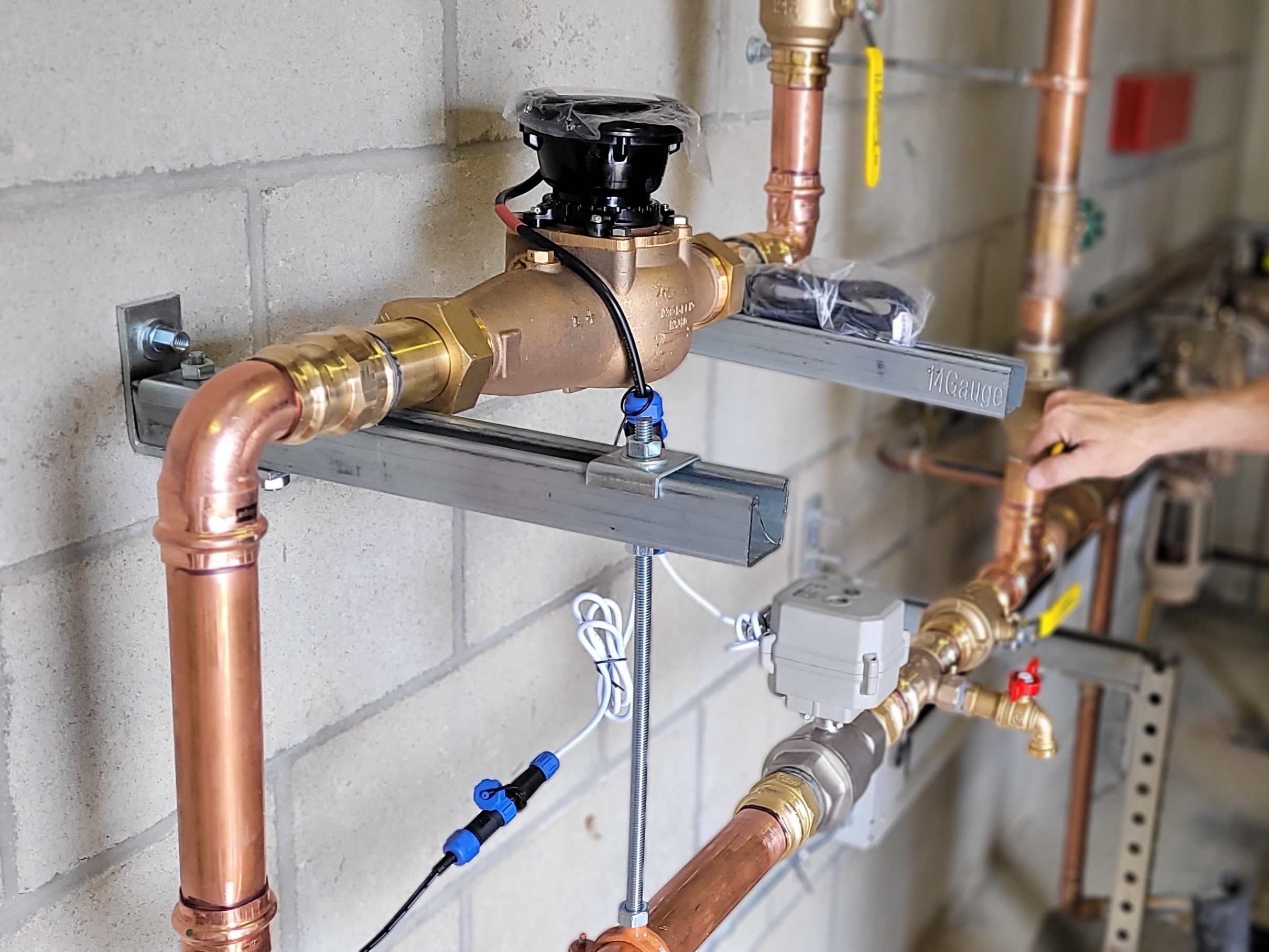
The WINT system continuously monitors water flow and usage patterns throughout a facility. It uses smart sensors to recognize irregularities that might indicate a leak or burst, automatically sending alerts by text, email, or app when something unusual occurs. If necessary, it can shut off water remotely or automatically before flooding begins.
The system also tracks long-term data, so facility teams can identify trends, such as recurring small leaks or usage spikes during off-hours. This insight helps organizations stay ahead of potential failures, especially in older buildings with complex plumbing networks.
Independent studies show the impact of this approach. Facilities equipped with WINT technology have reported up to 73 percent fewer insurance claims and 90 percent fewer payout events compared to unprotected sites. Those results highlight how fast detection and immediate action can prevent costly incidents.
For document and archive environments, early leak detection means intervening before water ever reaches storage areas. Automated shutoff significantly reduces the volume of water released, which lessens the need for large-scale recovery and shortens response time.
This system also provides peace of mind for spaces that are rarely accessed during the winter. While staff may not always be present to inspect mechanical areas, the sensors operate around the clock, creating a continuous line of defense.
In an archive or special collections environment, these benefits translate into:
To get the most from a water risk management system, it helps to:
These steps turn data into prevention, ensuring that your facility remains prepared for the unexpected.
The cost of recovering from a water incident extends far beyond cleanup. Downtime, disruption, and potential loss of irreplaceable materials can have lasting effects on your institution’s mission and reputation. Winter
conditions make these events more likely, but they are also more predictable when the right monitoring technology is in place.
By pairing good facility maintenance with Polygon’s WINT Water Risk Management system, organizations can detect problems early, act immediately, and protect the collections that matter most. Smart monitoring transforms water from a hidden threat into a manageable risk, helping your archives stay safe, dry, and accessible all season long. Contact us today to learn more.

Emergency Support
1-800-422-6379Send an email
us_info@polygongroup.com24/7 Hotline
Urgent equipment and operational support
Property damage
Documents and contents damage
24/7 Emergency:
United States: 1-800-422-6379
Canada: 1-888-702-4782
Your questions and comments are important to us. Please send us your information with a description of your needs and we will connect with you promptly.
Polygon US Headquarters
15 Sharpners Pond Road, Building F North Andover, MA 01845
Phone: 1-800-422-6379
See all our US locations here: Polygon US office locations
For global support, please contact one of our offices listed here: Our Global offices - Polygon Group