Notice
You are now leaving Polygon Restoration's website and will be directed to another country in the group.
Do you want to proceed?
Notice
You are now leaving Polygon Restoration's website and will be directed to another country in the group.
Do you want to proceed?
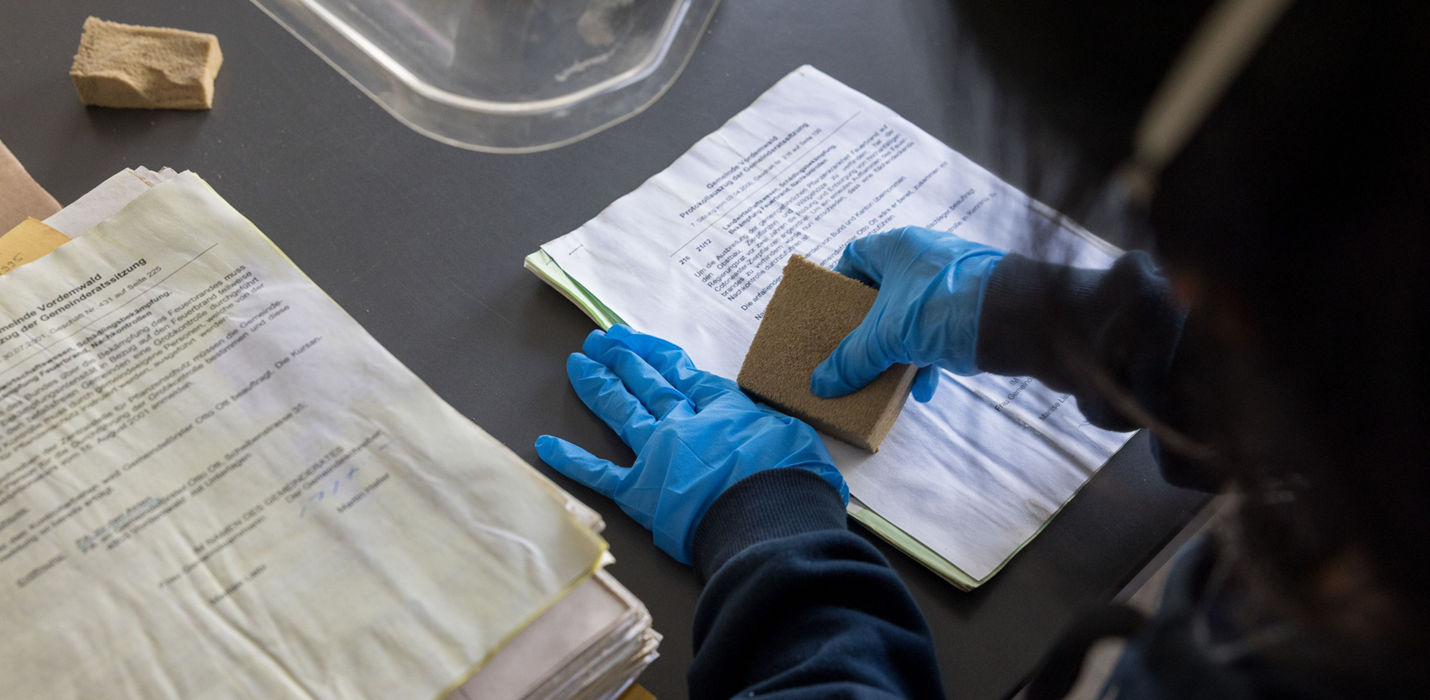
Document restoration is an art. The historical objects we often hold most precious – documents, manuscripts and paper works of art, for instance – are by their very nature susceptible to damage. For example, consider that in 1998, conservators replaced the 1950s casement previously surrounding the U.S. Constitution.
Upon opening the casement, conservators discovered insect damage, flaking ink, and pockmarks created by humidity. Only world-leading document conservation experts could be trusted to craft a new casement, restore the flaking ink, and properly handle the Constitution throughout the restoration process. It took an artist’s attention to detail and a creative restoration approach to restore and properly display this founding document.
At the same time, upper-level science is also required in disaster recovery. Documents made of paper require an entirely different set of chemical rules than those made of animal skin, such as parchment and vellum. Each backing material, each component of a photograph, and each type of ink has its own scientific properties to consider when providing document restoration services. These ingredients rarely exist in isolation, how they combine with other constituents must also be taken into account.
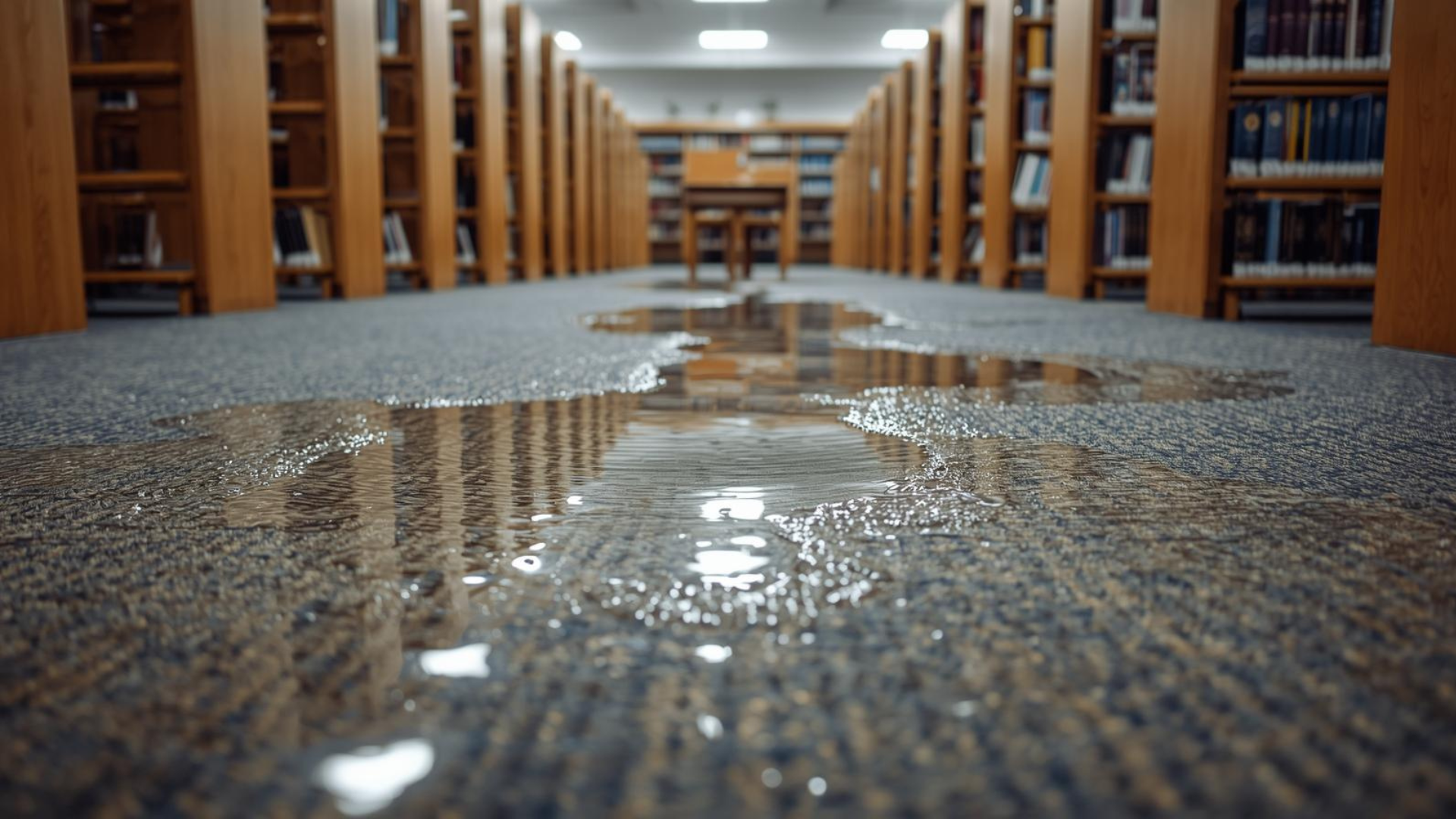
Here are a few ways watercolors, manuscripts and other important documents can be damaged by the elements:
Document restoration specialists understand just how fragile these items can be. They also appreciate the complexity of disaster recovery. Documents are handled by their edges; only chemically stable tapes are used; and light exposure is limited.
Here at Polygon, we specialize in document restoration across industries. Hospitals, schools, and museums rely on us for disaster recovery. Documents stored in museums are often the most precious – they are the social contracts, the artistic expressions, and the guiding philosophical treaties of our ancestors. We can aid museums both before disaster strikes by creating a thorough disaster plan through our Code Blue program, and after the unthinkable has happened by providing document restoration services.
From specialized chambers, to freeze drying, odor remediation, and more, Polygon has what it takes to get your collection as close to standard as possible. Contact us today to learn how we can help you plan, protect, and recover your most valuable assets.


Emergency Support
1-800-422-6379Send an email
us_info@polygongroup.com24/7 Hotline
Urgent equipment and operational support
Property damage
Documents and contents damage
24/7 Emergency:
United States: 1-800-422-6379
Canada: 1-888-702-4782
Your questions and comments are important to us. Please send us your information with a description of your needs and we will connect with you promptly.
Polygon US Headquarters
15 Sharpners Pond Road, Building F North Andover, MA 01845
Phone: 1-800-422-6379
See all our US locations here: Polygon US office locations
For global support, please contact one of our offices listed here: Our Global offices - Polygon Group