Notice
You are now leaving Polygon Restoration's website and will be directed to another country in the group.
Do you want to proceed?
Notice
You are now leaving Polygon Restoration's website and will be directed to another country in the group.
Do you want to proceed?
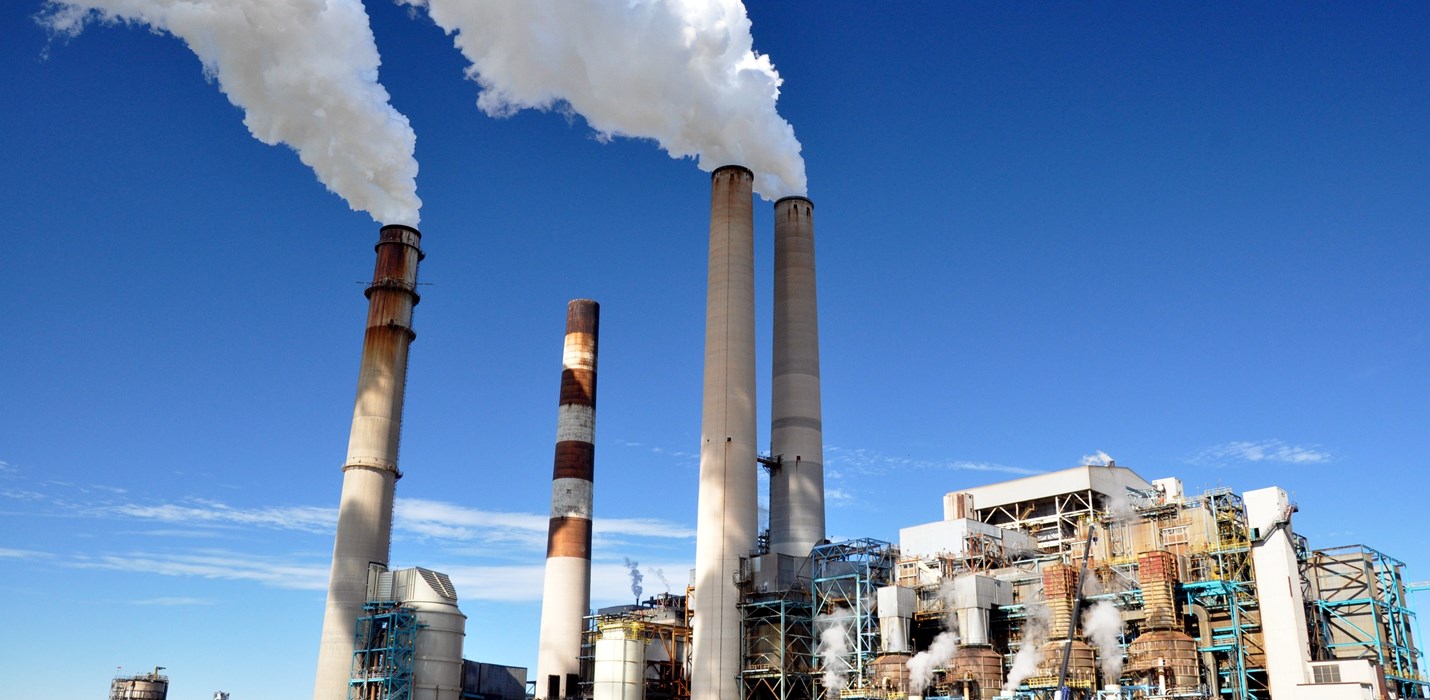
One of the primary sources of sulfur dioxide (SO2) emissions and other pollutants is power plants. To maintain compliance with the U.S. Environmental Protection Agency’s Clean Air Act, preventing corrosion in power plants using temporary humidity control is necessary, particularly during the application of protective surface coatings or while plants are shut down for maintenance. While most forms of corrosion are detrimental, certain types do more damage than others.
The following components are at a higher risk of corrosion because of abrasive fly ash, high temperatures or acidic environments, which affect them physically and chemically:
Oxidation is a natural process that occurs when metal attempts to become more stable in an environment that contains an oxidant, such as sulfur or oxygen. The formation of iron oxide, or rust, is a common result. As components oxidize, the material’s useful properties and strength degrade.
Red rust forms in response to high oxygen and water exposure, and sometimes salt. This type of oxidation affects a surface uniformly and is the result of atmospheric conditions.
Yellow rust generally occurs in recessed areas. It looks like solvated rust that dripped or ran down an affected surface. It is generally the result of high moisture content, such as surfaces in standing water.
Brown rust forms when moisture levels are low and oxygen levels are high. It is drier than red and yellow rust, and is generally the result of oxygen and moisture in the atmosphere. Brown rust forms a reddish-brown crust on affected surfaces that might be localized and non-uniform in appearance. For example, the rust might form on some spots instead of the entire surface.
Black rust forms when moisture and oxygen levels are low. It creates a thin black film that makes an affected surface appear stained. It usually forms when an object on a ferrous surface traps water and prevents the flow of oxygen, such as a piece of paper covering a metal surface. Black rust is more stable than other types and doesn’t spread as rapidly.
It is possible for several types of rust to affect a surface.
Galvanic corrosion is an electrochemical process that occurs when two dissimilar metal or alloys are exposed to an electrolyte. Incidentally, one metal acts as a cathode and the other as an anode. The result is accelerated corrosion as the anode metal dissolves into the electrolyte.
A classic example of galvanic corrosion is the Statue of Liberty, where it occurred between the wrought iron support structures and the outer copper skin, prompting a major renovation. In power plants, galvanic corrosion can occur when using two different types of metal for a surface, or using pipes and fitting made with different types of metal. With time, exposure to acids and salts in the atmosphere lead to corrosion.
There are a handful of methods for preventing corrosion in power plants. One effective method is the use of surface coatings, which can prevent both types of destructive corrosion. Another is humidity control. Polygon’s custom climate control and remote monitoring solutions create environments that are ideal for surface preparations and coatings. They also create and maintain a controlled environment that prevents long-term corrosion. When you have better control over corrosion in a plant, you’re better able to ensure the life of the equipment and compliance with federal regulations.
[Walter via CC License 2.0]

Emergency Support
1-800-422-6379Send an email
us_info@polygongroup.com24/7 Hotline
Urgent equipment and operational support
Property damage
Documents and contents damage
24/7 Emergency:
United States: 1-800-422-6379
Canada: 1-888-702-4782
Your questions and comments are important to us. Please send us your information with a description of your needs and we will connect with you promptly.
Polygon US Headquarters
15 Sharpners Pond Road, Building F North Andover, MA 01845
Phone: 1-800-422-6379
See all our US locations here: Polygon US office locations
For global support, please contact one of our offices listed here: Our Global offices - Polygon Group