Notice
You are now leaving Polygon Restoration's website and will be directed to another country in the group.
Do you want to proceed?
Notice
You are now leaving Polygon Restoration's website and will be directed to another country in the group.
Do you want to proceed?
Containment is an essential yet often overlooked part of construction and a key factor in temporary climate control. It can be set up during pre-construction or in the active build phase, depending on project scope, risks, and environment.
While clients or contractors handle the containment itself, Polygon steps in once it’s in place to optimize conditions. And rather than enclosing an entire building, containment often focuses on specific areas where control is most critical.
Chris Cortinas, Client Development Manager, shares the common questions he hears in the field.
Containment is the practice of physically separating a construction area from its surroundings to control the spread of dust, debris, and other contaminants, ensuring safety, protecting occupants, maintaining air quality, preventing contamination, and complying with regulations.
Uncontrolled “fugitive air” from outside can bring in moisture, dust, and contaminants that disrupt conditions inside the work zone. This can affect material performance, slow curing, and reduce equipment efficiency. Proper containment minimizes these leaks, keeping temperature and humidity stable for quality results.
Material containment protects uninstalled materials stored on-site from dust, debris, and other contaminants. Area containment creates a barrier to keep outside conditions from entering the controlled space, which is critical for maintaining optimal conditions like cold temperatures.
Proper containment will help accelerate dry times and reduce overall costs. A tight, controlled environment lowers vapor pressure, keeps out fugitive air, and allows temporary equipment to work more efficiently.
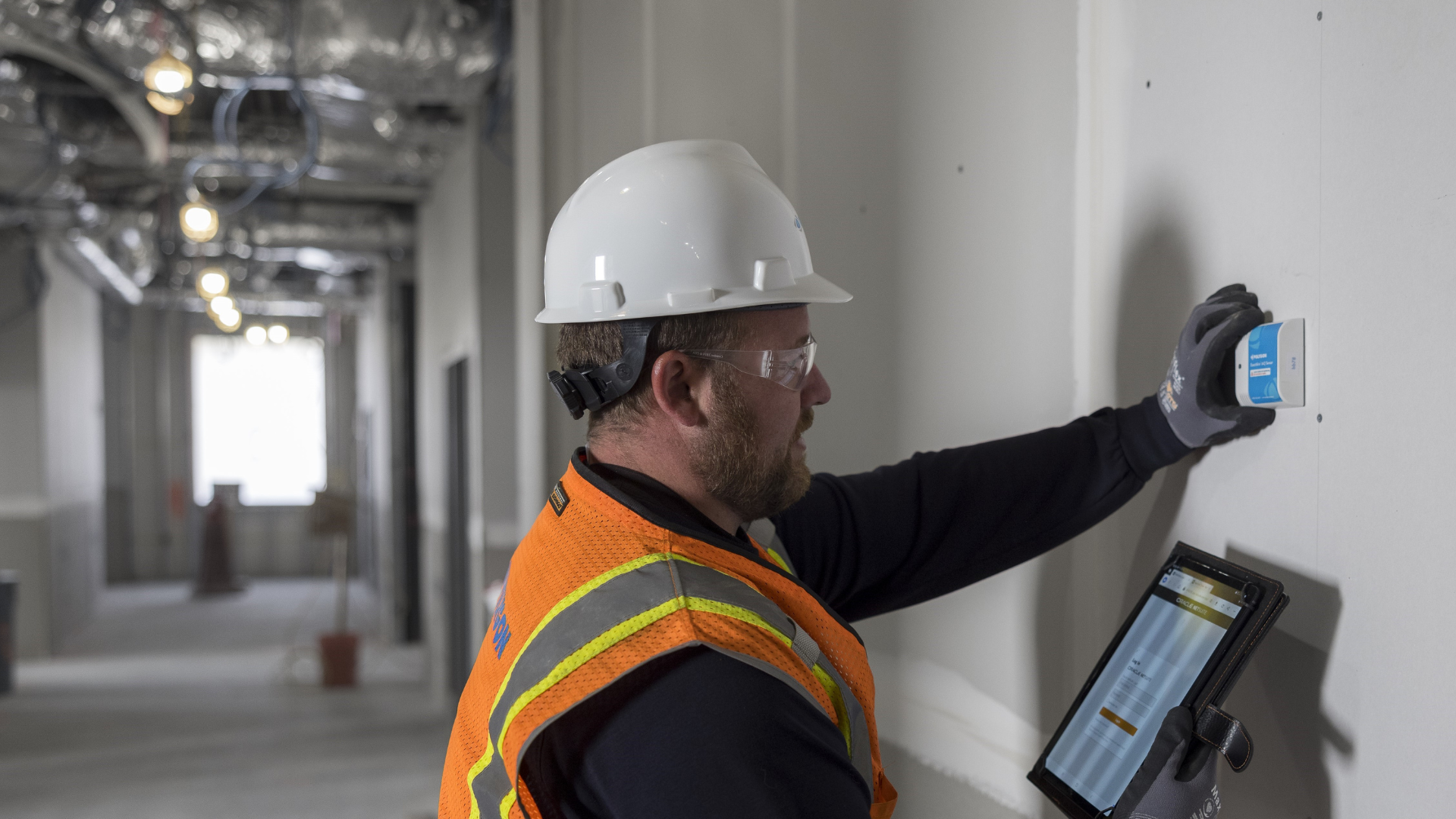
With the use of sensors, the climate control system can signal when set points are reached, cycle equipment off, and capture real energy savings, translating directly into measurable dollars saved over the life of the project.
Strong examples of proper containment use reinforced materials that can withstand varying weather conditions, such as wind and rain. For instance, erecting temporary walls with the right materials ensures the area remains protected. In contrast, using weak materials can lead to failures such as wind blowing them open, compromising the environment, and creating additional issues. This is especially critical on high-rise projects, where uncontrolled air loss can have significant impacts.

Chris Cortinas works for Polygon US, bringing innovative and efficient climate technology and solutions to clients in the construction industry. Chris has nearly 20 years of business development and sales experience in construction drying and temporary climate control. He’s supported some of the largest US general contractors, including Skanska, Mortenson, and Clark Construction, in protecting materials, accelerating dry times, and delivering visibility and control. Chris’s most recent projects include systems designed to monitor mass timber, reduce energy consumption, and mitigate moisture risk. Reach out to Chris on LinkedIn or at chris.cortinas@polygongroup.com
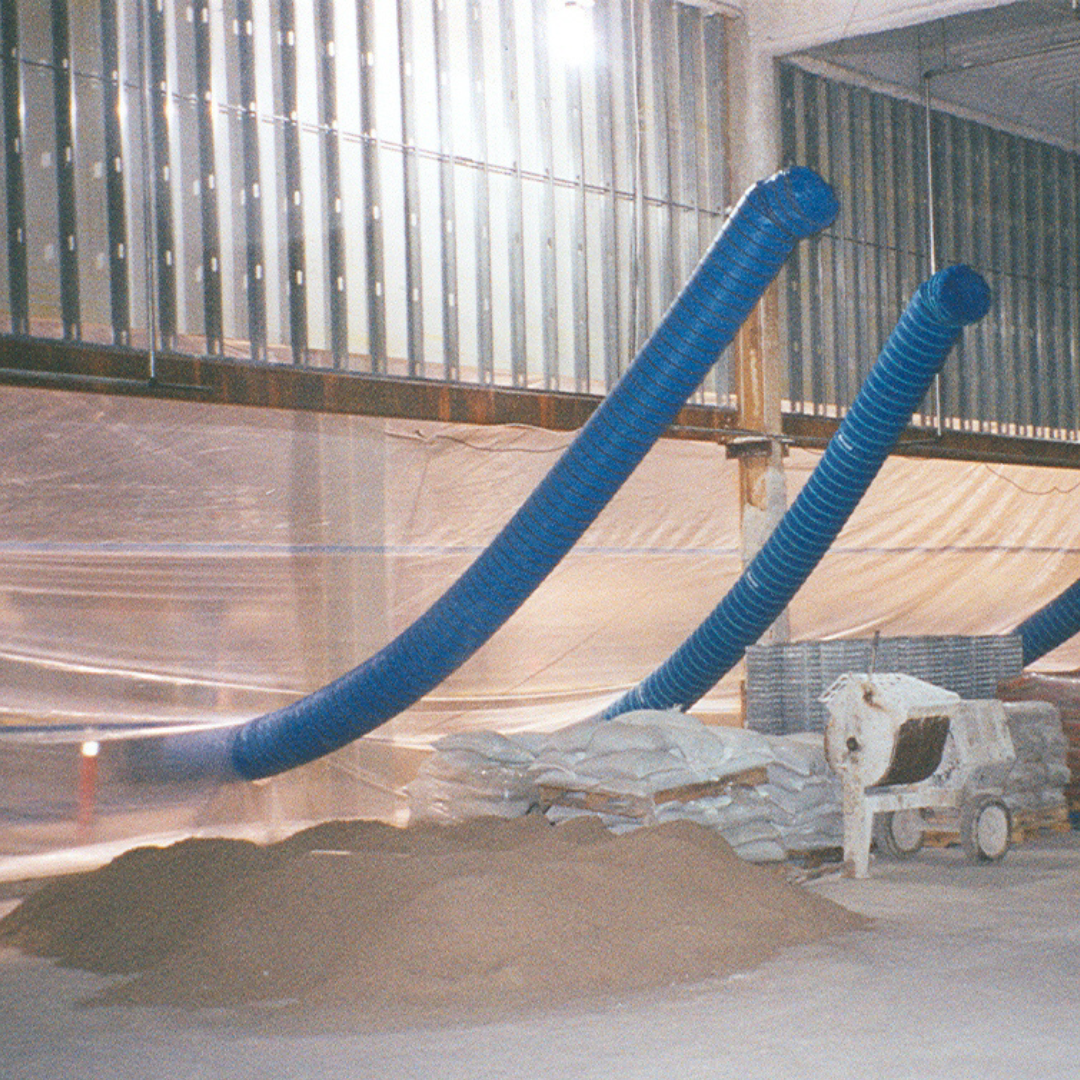
Minneapolis Convention Center
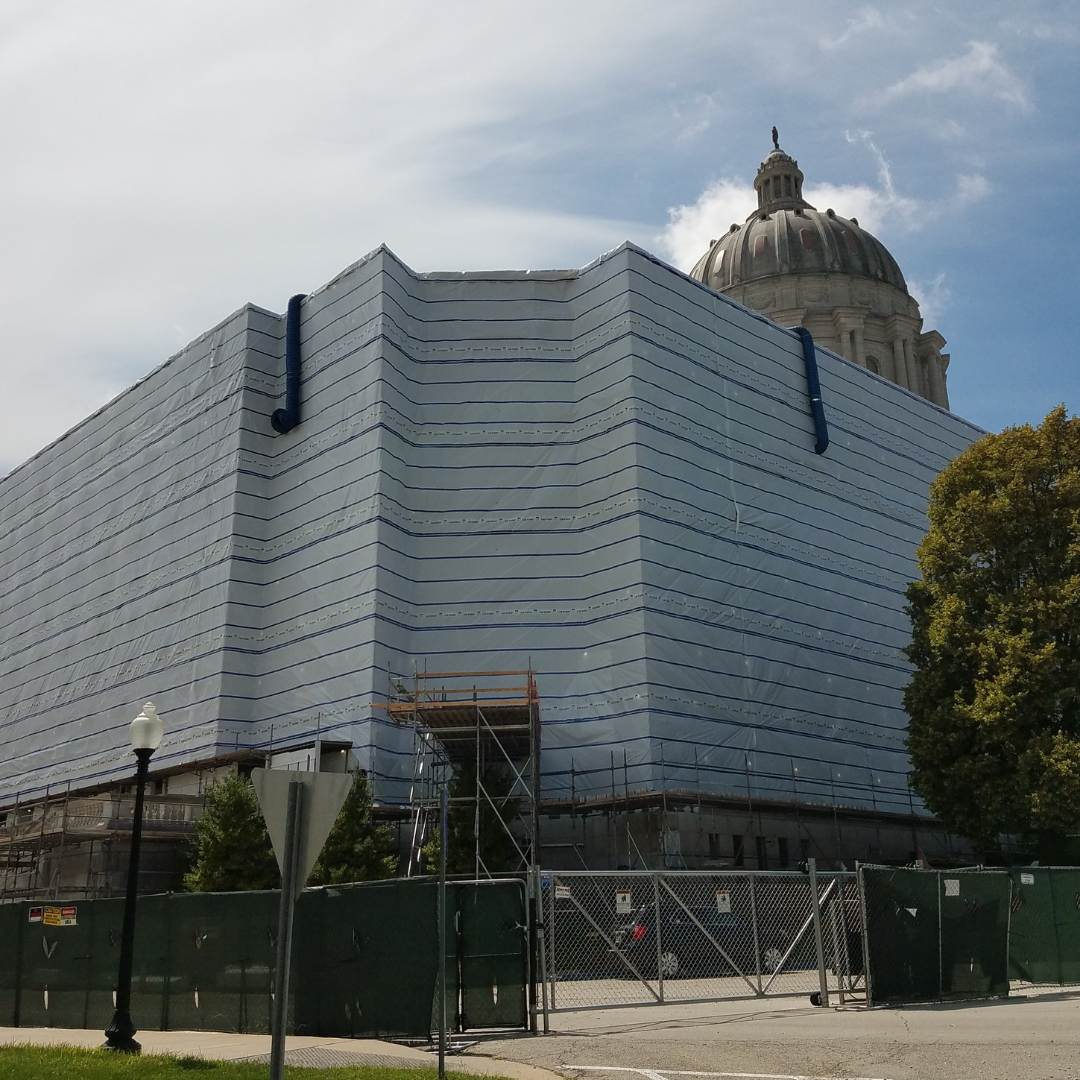
Missouri State Capitol

Emergency Support
1-800-422-6379Send an email
us_info@polygongroup.com24/7 Hotline
Urgent equipment and operational support
Property damage
Documents and contents damage
24/7 Emergency:
United States: 1-800-422-6379
Canada: 1-888-702-4782
Your questions and comments are important to us. Please send us your information with a description of your needs and we will connect with you promptly.
Polygon US Headquarters
15 Sharpners Pond Road, Building F North Andover, MA 01845
Phone: 1-800-422-6379
See all our US locations here: Polygon US office locations
For global support, please contact one of our offices listed here: Our Global offices - Polygon Group