Construction

Environmental risks won’t stand in the way of general contractors delivering successful projects on time.

Quality on Schedule.

Every construction project depends on predictable conditions. When moisture levels rise, air quality fluctuates, or drying takes longer than planned, project teams face schedule disruptions, quality risks, and unexpected costs.

Polygon provides the environmental control and intelligence teams need to protect materials, maintain safe air quality, and keep work progressing on schedule—from early construction through final commissioning.

Environmental Risk Management on the Jobsite

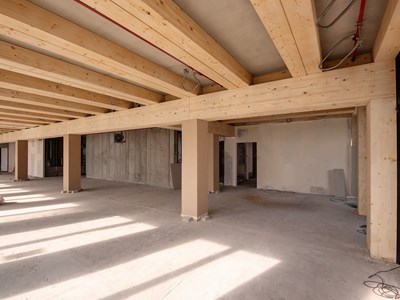
  • Material Protection & Drying: Keeps mass timber, wallboard, concrete, fireproofing, and flooring adhesives dry and stable so materials don’t warp, fail, or delay the schedule.
  • Water Risk & Leak Management: Detects leaks early and can automatically shut off water to prevent damage, while monitoring usage to catch slow or after-hours issues.
  • Climate Control & Environment: Provides temporary heating, cooling, and dehumidification to maintain safe, productive, and mold-resistant jobsite conditions—
    without stressing permanent HVAC systems.
  • Sustainability, Energy & Compliance: Supports LEED/WELL goals, tracks energy use and carbon, and monitors indoor air quality including VOCs and particulates.
  • Project Monitoring & Controls: Accelerates schedules using real-time monitoring, offers building-health reporting, and alerts teams to prevent quality issues.
  • Emergency Response & Restoration: Responds to water or property damage, recovers documents and contents, and builds continuity plans to reduce future risk.

Why partner with us

Schedule Acceleration

Ensure building materials dry or acclimate at the optimal rate so you stay on schedule - or better yet expedite it with less energy and operational cost

Hassle-free Environmental Management

Engineered environmental solutions, delivered by expert operations teams and powered by state-of-the-art technology

Loss Prevention

Water and moisture control to prevent rework, maintain quality, and reduce risk and liability – plus help to minimize damage and downtime in the event of an incident

Why Polygon

  • 60+ years of climate control experience
  • 20+ Locations across North America
  • 5000+ sensors in the field
  • 35,000 projects to date
  • Supports the top General Contractors and largest Mechnical Contractors
  • Backed by a skilled engineering team and hands-on operations team

Projects we support

Commerical Construction

Multifamily & Residential Construction

Cultural, Entertainment & Sports Construction

Government Building Construction

Airports and Terminal Construction

Renovation & Adaptive Reuse

How we do it

  • Real-time monitoring - Real-time dashboards, alerts, and trend reports of conditions like temperature, humidity, wood moisture content, and leaks for proactive management and greater risk mitigation.
  • Powerful equipment - Our climate solutions include high-performance and right-sized equipment to dry, cool, heat, and ventilate buildings and job sites efficiently and effectively.
  • Automated control - Smart control improves workflows and reduces energy consumption by automatically turning equipment on/off based on real-time data.
  • Fast Response  - In the event of an water leak or moisture issue, we can quickly turn off valve, alert team members, and use equipment to fix the problem and reduce property damage.

Frequently Asked Questions

What is desiccant dehumidification?

Desiccant dehumidification uses materials such as silica gel to absorb moisture from the air, effectively reducing relative humidity. It's ideal for maintaining optimal conditions in various environments.

Can I control humidity with a heat-only approach?

A heat-only approach can raise temperatures but may not effectively control humidity, as warm air holds more moisture. For optimal humidity management, we recommend using a combination of heating and dehumidification. Our climate control solutions provide both, ensuring balanced conditions for your project.

How many floors or levels high can temporary equipment treat?

We have done as many as 64 stories. There are several strategies to employ depending on the building. Moving equipment and sensors up as work progresses is a common approach. Not all levels need the same conditions at the same time.

When do sensors go on a jobsite?

It depends on the sensors and who needs the information. Outdoor AQ and temporary water meters can go very early, then indoor sensors added whenever walls start getting closed. Sensors can remain onsite well into commissioning and even occupancy. Data can be used to inform what kind of climate control equipment is necessary and when to avoid extra cost associated with under utilized gear. 

How do I access data on climate conditions and equipment status?

Users access sensor and equipment data, reports, and dashboards on the ExactAire.com desktop and mobile apps.  Real-time notifications and alerts are delivered via email and SMS text. User log into the app with their own credentials, and non-users may see data on a live dashboard provided via a share link.

How is climate control equipment powered? Is it gas or electric?


Natural gas, electricity, and propane are the most common. Our fleet includes a variety of options including some tri-fuel units that provide the ultimate fuel flexibility. Some clients are interested in an all-electric solution which we can accommodate. For deep energy savings, we recommend adding smart control to automatically modulate equipment based on real-time conditions.

Do you set up the equipment or are we responsible?

We offer a turnkey solution from A-Z, which includes set up, tear down, and maintenance labor throughout the project's life. We are delivering a solution, not simply dropping off equipment.

How often does my team need to adjust the equipment?

Once the equipment is set up and your team has received proper training on its operation, adjustments should be minimal. Typically, your team will only need to turn the equipment on or off based on your operating hours. If a smart controller is installed, we will help you configure settings to automatically turn equipment on/off based on your specifications and sensor data. This ensures optimal performance with minimal manual intervention.

What are the common pitfalls in jobsite climate control, and how can they be avoided?

Common pitfalls include poor humidity and temperature control, causing mold growth and material failures. Proper planning, equipment selection, and monitoring can prevent these issues.

Read the 10 Common Pitfalls of Climatizing a Construction Job and How to Avoid Them here. 

How much does a climate control solution cost?

The cost depends on many factors. A true solution requires a solid understanding of your specifications, duration of use, scope of work, technology mix, logistical and operational requirements, and your budget and tolerance of risk. The cost of climate control for one project is likely to be different for the next. Engage a service provider as early as possible, so you and our team can make a well-informed decision and implement the best option for your project and client.

What temperature and humidity level should my construction project be?

At Polygon, we talk a lot about how maintaining proper environmental conditions throughout a project helps protect quality, reduce rework, and stay on schedule. Some clients provide us with exact specifications, while others want advice on what makes sense for their project and level of risk. 

Learn more about Guidelines for Temperature and Humidty of Construction materials here.