Notice
You are now leaving Polygon Restoration's website and will be directed to another country in the group.
Do you want to proceed?
Notice
You are now leaving Polygon Restoration's website and will be directed to another country in the group.
Do you want to proceed?
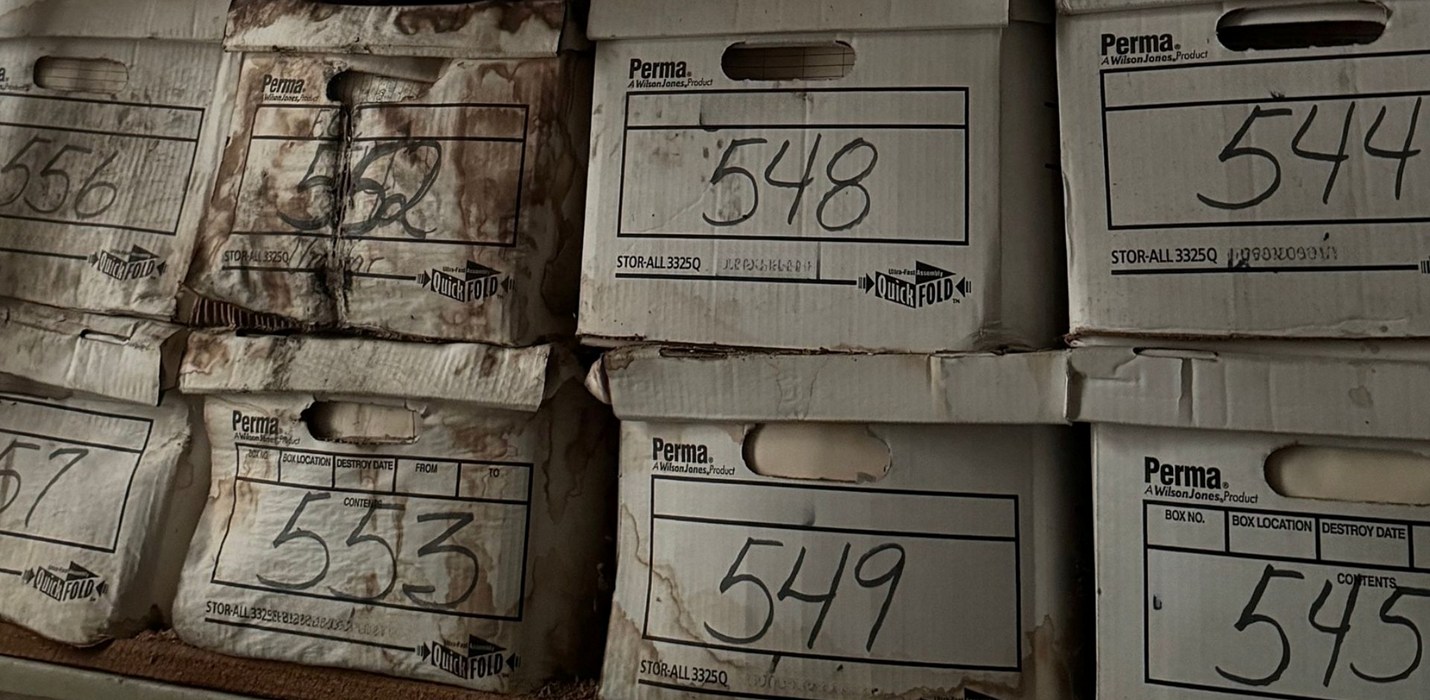
When a flood, fire, or mold event damages an organization's records, the immediate priority is often cleanup and recovery. But alongside the physical restoration process, another important consideration deserves attention: information governance.
Damaged records may still carry significant legal, regulatory, or business value. Decisions about whether to restore, retain, or dispose of them should follow established records management policies, even when disaster recovery creates pressure to act quickly.
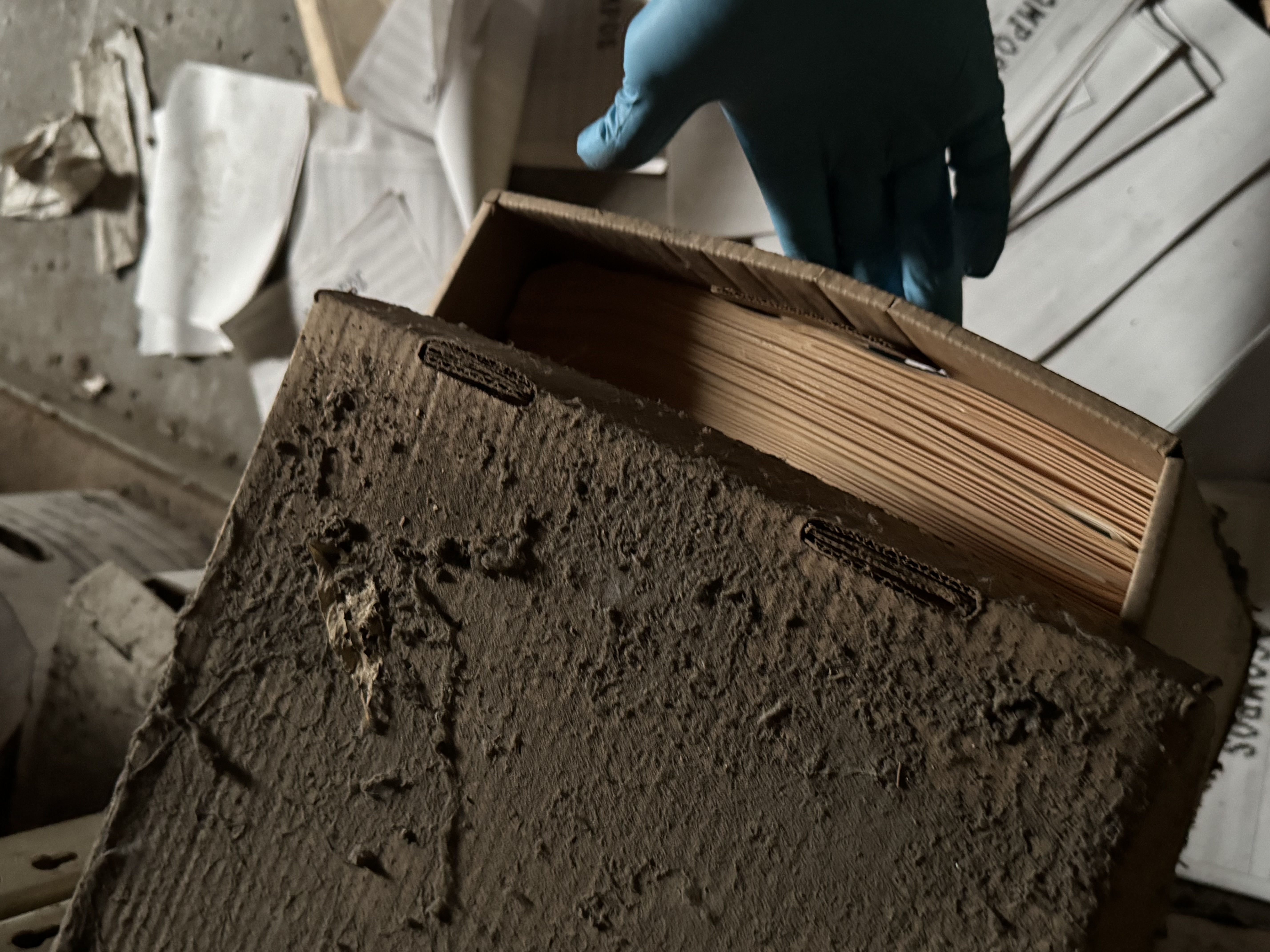 Records affected by water, fire, or mold can be difficult to handle, but their physical condition does not determine whether they can be legally discarded.
Organizations may have retention requirements tied to regulatory obligations, audits, contracts, or business needs. Some records may also be subject to active legal holds that prevent their destruction, regardless of their age or condition.
This is particularly important when records are stored offsite. While a storage provider may manage the physical materials, the organization that owns the records remains responsible for their retention and disposition.
Before damaged records are discarded, organizations should take a few important steps:
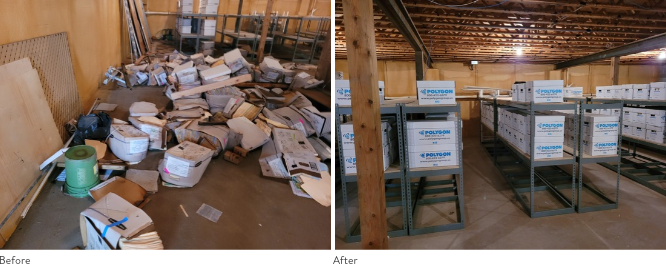
Professional document recovery can help organizations preserve records that might otherwise be considered a loss. Through specialized processes such as controlled drying, freeze drying, and cleaning, Polygon helps stabilize and restore documents damaged by water, fire, and mold.
For organizations managing sensitive or confidential records, recovery planning should also consider how information is handled throughout the process. Depending on the nature of the materials and project requirements, on-site restoration or cleaning may be an option when keeping documents within the organization's facility is a priority.
Access is another important consideration. Some records may be needed for ongoing business operations, audits, legal matters, or other time-sensitive purposes. Recovery plans should account for these needs and establish how authorized personnel can request or access information while documents are being restored.
By considering confidentiality, location, and accessibility alongside physical restoration, organizations can better protect both their records and the information they contain.
Information governance should be part of disaster preparedness, not an afterthought. Organizations can improve their readiness by maintaining accurate records inventories, reviewing retention schedules, identifying records subject to legal holds, and establishing clear procedures for working with storage and recovery vendors.
Plans should also define who is responsible for authorizing the disposal of damaged records, how recovery efforts and unavoidable losses will be documented, and how access to critical information will be maintained throughout the process.
A disaster may disrupt access to important records, but it does not eliminate the obligations associated with them. Combining established information governance policies with a defined recovery process helps organizations protect valuable information, maintain compliance, and make informed decisions throughout a disaster response.
Contact Polygon to learn how our Document Recovery services can support your organization's disaster preparedness and response plans.

Emergency Support
1-800-422-6379Send an email
us_info@polygongroup.com24/7 Hotline
Urgent equipment and operational support
Property damage
Documents and contents damage
24/7 Emergency:
United States: 1-800-422-6379
Canada: 1-888-702-4782
Your questions and comments are important to us. Please send us your information with a description of your needs and we will connect with you promptly.
Polygon US Headquarters
15 Sharpners Pond Road, Building F North Andover, MA 01845
Phone: 1-800-422-6379
See all our US locations here: Polygon US office locations
For global support, please contact one of our offices listed here: Our Global offices - Polygon Group