Notice
You are now leaving Polygon Restoration's website and will be directed to another country in the group.
Do you want to proceed?
Notice
You are now leaving Polygon Restoration's website and will be directed to another country in the group.
Do you want to proceed?
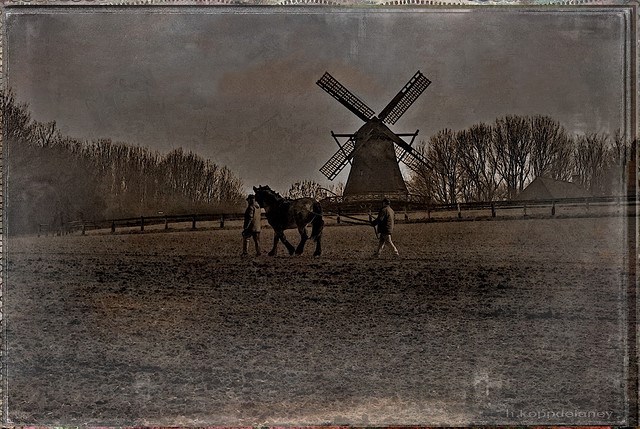
Each type of document has its own unique needs in regards to storage and preservation. Photographic materials are particularly challenging because of the variety of techniques used to preserve images on film and the different ways that they change with time and deteriorate. While photographic prints are more resilient, the film requires special storage and handling. Cold storage for the film is a popular preventive conservation measure that extends the life of historic film and averts the need for costly restorations.
When stored in humid or warm conditions, or experiences frequent handling, the older film becomes defective. It may acquire a vinegar-like scent as the cellulose degrades and releases acetic acid. When one film releases acid, it threatens the surrounding film.
Moisture poses one of the greatest threats to film, as it only takes a few days for film and negatives to begin degrading and change in color when exposed to water or high humidity levels. With time, bacteria and mold cause the properties of film to separate, dissolve and decompose.
In general, cold storage areas for film and photographs are between 0° and 55°F and have appropriate relative humidity levels. “Cool rooms” are between 55° and 65°F and have relative humidity levels of 30 to 40 percent. The best temperature at which to store film depends on its type, achievability, and condition. Some facilities use dedicated cold storage areas for large collections, while others use refrigeration or freezer units for smaller collections.
At the Federal Archives, cold storage at 35°F or below with relative humidity levels of 30 to 40 percent is standard for the film, color photographic materials, transparencies (e.g., slides), prints, and negatives that it maintains for extended periods.
It is important to remember that if you have access to film and photographic materials kept in cold storage, you must first acclimatize it to room temperature using plastic bags or insulated containers.
It is common to for facilities to use HVAC systems to create the ideal environment for their film and photographic archives. This, however, may not be ideal in regards to energy efficiency or fully protecting collections. A better alternative may be to have an independent system that controls and monitors cold storage room environments. Similarly, an organization may use temporary climate control solutions that complement an HVAC system to monitor and ensure the appropriate environmental conditions in space. Polygon offers a variety of custom climate control and monitoring solutions that provide you with the ability to reliably provide cold storage for film and reduce energy costs. Contact Polygon to learn more about creating the ideal storage environment for photographs and film.

Emergency Support
1-800-422-6379Send an email
us_info@polygongroup.com24/7 Hotline
Urgent equipment and operational support
Property damage
Documents and contents damage
24/7 Emergency:
United States: 1-800-422-6379
Canada: 1-888-702-4782
Your questions and comments are important to us. Please send us your information with a description of your needs and we will connect with you promptly.
Polygon US Headquarters
15 Sharpners Pond Road, Building F North Andover, MA 01845
Phone: 1-800-422-6379
See all our US locations here: Polygon US office locations
For global support, please contact one of our offices listed here: Our Global offices - Polygon Group