Notice
You are now leaving Polygon Restoration's website and will be directed to another country in the group.
Do you want to proceed?
Notice
You are now leaving Polygon Restoration's website and will be directed to another country in the group.
Do you want to proceed?
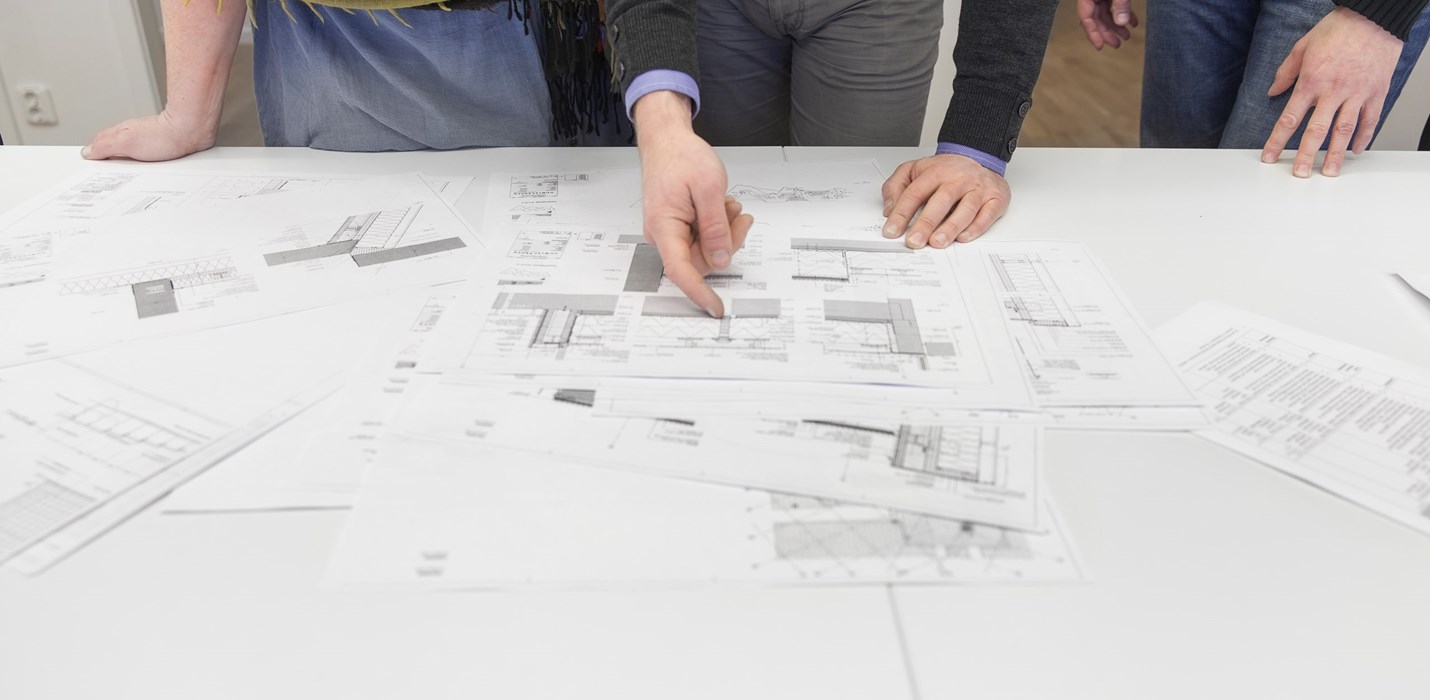
The first part of the “Creating a Disaster Preparedness Plan” series discussed important first steps to take to create a disaster preparedness policy for an organization. In short, the elements discussed included creating performance goals, outlining the scope of the program, program review and development, and setting a budget.
* This blog post is the second of a four part series on creating a disaster preparedness plan. Be sure to stay tuned for the next articles in the series.
The second step in creating a Disaster Preparedness Plan is the Planning Stage. The planning process involves taking an analytical approach where you assess the potential hazards, risks, vulnerabilities and threats. When assessing these factors it’s important to take into consideration the potential for employee injury, environmental impact, and the likelihood of property damage or a disruption in business.
In essence, a risk assessment is the process that determines specific hazards that could affect an organization and evaluates all the possible outcomes if any of the potential hazards were to occur. This assessment gives the business an opportunity to have a heightened awareness of the potential threats they face and how the potential impacts should be measured.
For each identifiable hazard, it’s imperative to consider all the possible outcomes. For example, if there is an earthquake, it’s highly likely that aftershocks will follow. The quake may cause items or debris to fall on employees. If the event causes pipes to break, your business may have to deal with flooding initially, then water damage, and eventually, water damage restoration.
To protect the most important assets in the building—the people—start by assessing the potential hazards and risks that could affect the employees. By determining potential injuries, the organization can take steps to create an appropriate emergency evacuation plan. It is also valuable to consider alternative storage space for potentially dangerous items that could injure an employee should they get dislodged during a disaster.
Next, consider the physical assets at risk, such as building structure, information technology, communications, finished goods and raw materials. As you conduct the assessment, look for weaknesses that could make a company’s asset more vulnerable to damage, including the building infrastructure, process systems, protection systems, security, or loss-prevention programs.
After determining the potential hazards and assets at risk, consider the results of the newly discovered company vulnerabilities, including environmental impacts. Consider the impact that an event could have on customers, the community and other stakeholders. In addition, it is crucial to consider the duration of a disruption and the time of year it occurs. For example, if your business has a busy holiday season, it’s essential to analyze the potential impacts of a disaster, and the effects it could have on your supply chain and customer expectations.
While most disasters are unpreventable, you can still reduce the potential for negative impacts on the organization and its assets with proactive planning and preparation.
There are several risk mitigation strategies that include:
Hazard prevention and deterrence is similar to risk mitigation, but it examines preventable disasters and hazards. Creating a comprehensive prevention program can greatly reduce the number of accidents. Examples include fires, chemical spills, criminal activity and cyber attacks.
A Business Impact Analysis (BIA) predicts the operational and financial consequences of business and operation disruptions. A BIA also identifies the information that an organization needs to create an optimal recovery strategy. Completing a BIA gives you a reliable estimate of the amount of money a company will need to invest in prevention, mitigation and recovery strategies.
Outcomes, or impacts, to consider include:
The likelihood of each potential threat or hazard, and their potential outcomes are the most important elements to focus on when you are in the planning stage of creating your disaster preparedness plan. Once the planning process is complete, the organization is ready to implement the preparedness program. Our next article in the series will discuss the necessary steps for implementing the newly developed disaster preparedness plan.
View the rest of the articles in the series here:

Emergency Support
1-800-422-6379Send an email
us_info@polygongroup.com24/7 Hotline
Urgent equipment and operational support
Property damage
Documents and contents damage
24/7 Emergency:
United States: 1-800-422-6379
Canada: 1-888-702-4782
Your questions and comments are important to us. Please send us your information with a description of your needs and we will connect with you promptly.
Polygon US Headquarters
15 Sharpners Pond Road, Building F North Andover, MA 01845
Phone: 1-800-422-6379
See all our US locations here: Polygon US office locations
For global support, please contact one of our offices listed here: Our Global offices - Polygon Group