Notice
You are now leaving Polygon Restoration's website and will be directed to another country in the group.
Do you want to proceed?
Notice
You are now leaving Polygon Restoration's website and will be directed to another country in the group.
Do you want to proceed?
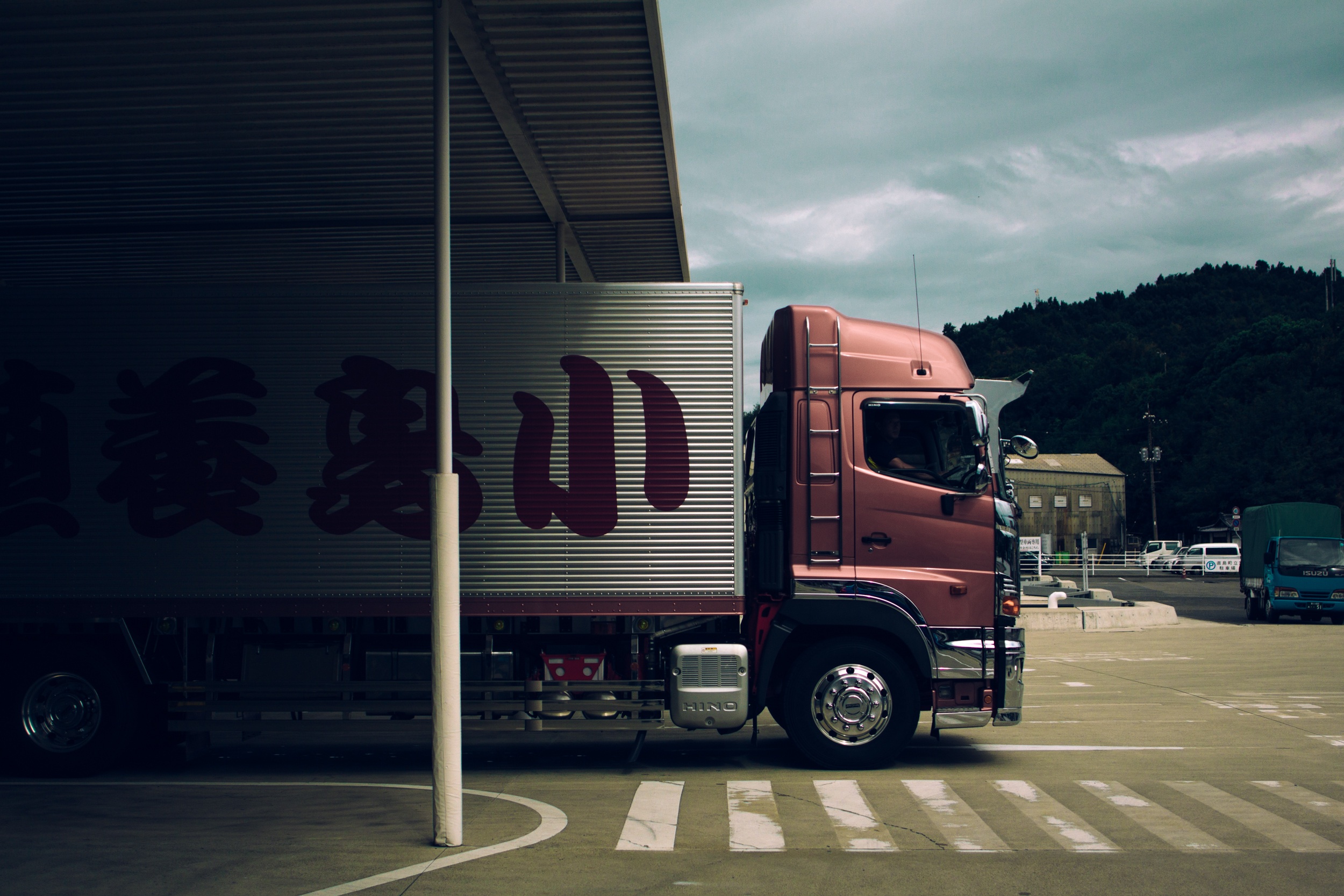
In 2011, President Barak Obama signed the Food Safety Modernization Act, making it one of the most significant food safety laws in over seven decades. The law shifted the focus from responding to food contamination incidents to proactively preventing them. Food safety is a vital consideration during harvesting, manufacturing, and packaging processes. An element of equal importance is the quality of storage conditions in regard to transportation. With so many modes of transportation carrying foods with different refrigeration requirements, temporary climate control is essential to preventing dangerous contamination.
The U.S. Food and Drug Administration requires shippers, receivers, loaders, and carriers that transport food into the United States on boats, trains, aircraft, and vehicles to follow the requirements outlined in the FSMA.
While some entities are exempt from the FDA’s regulations, farms and operations that don’t meet revenue thresholds should still take precautions to ensure proper sanitation and appropriate storage temperatures, as outlined by the Federal Food, Drug, and Cosmetic Act, to prevent contamination.
In 2003, conservative estimates showed that transportation-related food safety failures in the U.S. cost $2 billion per year, not including societal or public health impacts. Poor regulation of temperatures during transportation poses the most significant threat to food safety.
When refrigerated at temperatures of 40°F or below, perishable foods are more microbiologically stable. Refrigeration temperature is a balancing act that affects food quality. While cooler temperatures make food more microbiologically stable, it could lead to accidental freezing or chilling injuries. Higher temperatures may increase water losses in some foods, thus decreasing their quality. In produce, for example, higher temperatures increase respiration rates, which deplete stored carbohydrates and hasten rot. In addition to considering the temperatures of transportation containers, loaders must determine if food pre-cooling is necessary before refrigerated transportation, particularly for perishable items, such as freshly harvested produce.
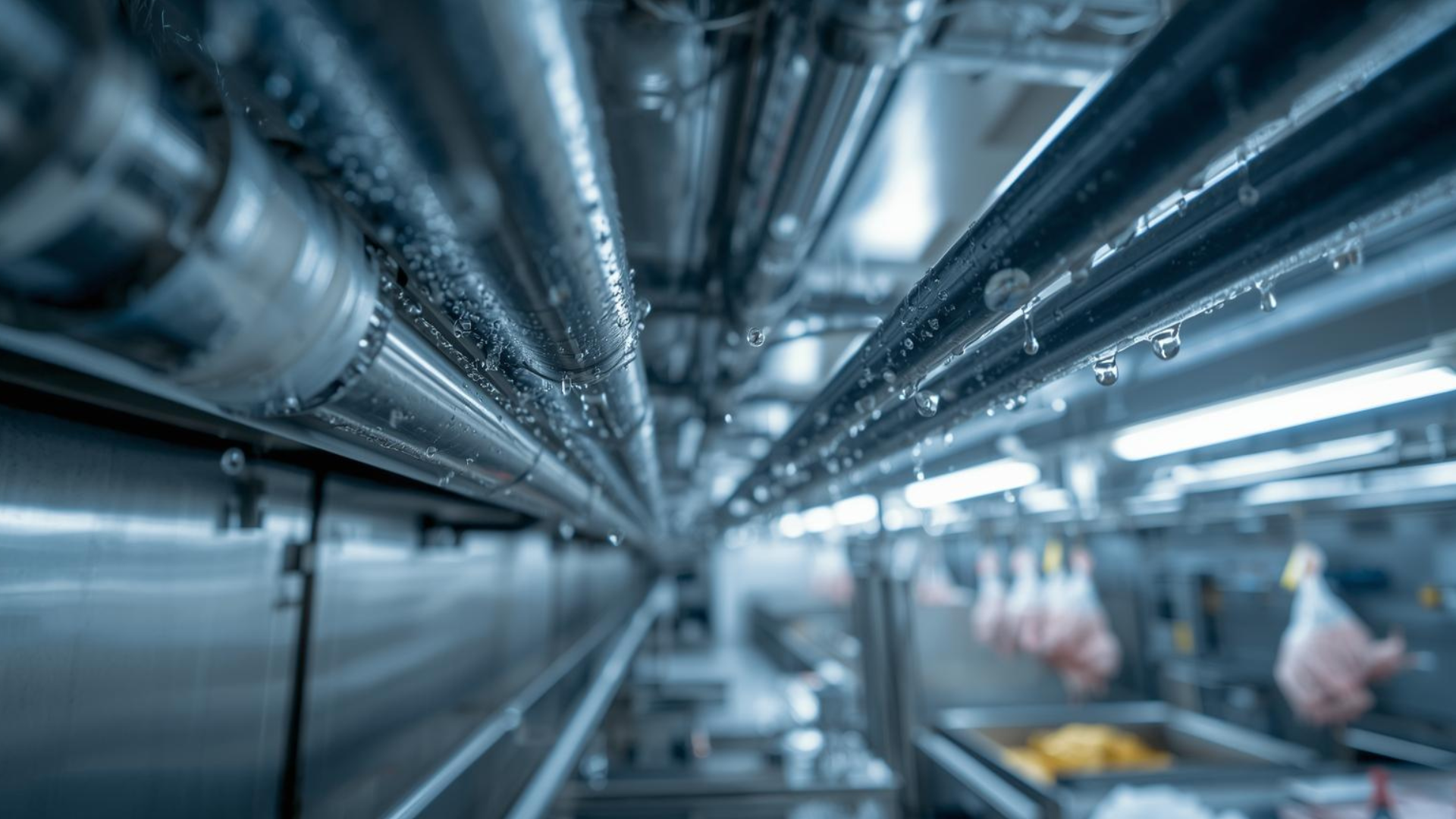
Humidity control is also important during transportation because arid conditions could cause water losses, making food vulnerable to mold and decay. When a container does not have temporary climate control systems that regulate relative humidity levels, a producer may need to use special packaging materials to maintain the food’s integrity. In marine vessels, humidity controls are essential to promoting adequate ventilation and preventing the buildup of CO2 levels as food respires in enclosed containers.
Many food safety issues often stem from climate control problems during the transportation process. When a container or storage area lacks adequate mechanical refrigeration, the temporary climate control systems that Polygon custom designs make it simple and convenient to adjust temperatures, humidity levels, and ventilation based on the types of goods stored. The systems proactively maximize the shelf life of consumables while reducing financial losses and ensuring consumer safety. Talk to a specialist at Polygon today to learn more about how temporary climate control can enhance your facility’s compliance with FSMA regulations and improve the quality of its transportation services.

Emergency Support
1-800-422-6379Send an email
us_info@polygongroup.com24/7 Hotline
Urgent equipment and operational support
Property damage
Documents and contents damage
24/7 Emergency:
United States: 1-800-422-6379
Canada: 1-888-702-4782
Your questions and comments are important to us. Please send us your information with a description of your needs and we will connect with you promptly.
Polygon US Headquarters
15 Sharpners Pond Road, Building F North Andover, MA 01845
Phone: 1-800-422-6379
See all our US locations here: Polygon US office locations
For global support, please contact one of our offices listed here: Our Global offices - Polygon Group