Notice
You are now leaving Polygon Restoration's website and will be directed to another country in the group.
Do you want to proceed?
Notice
You are now leaving Polygon Restoration's website and will be directed to another country in the group.
Do you want to proceed?
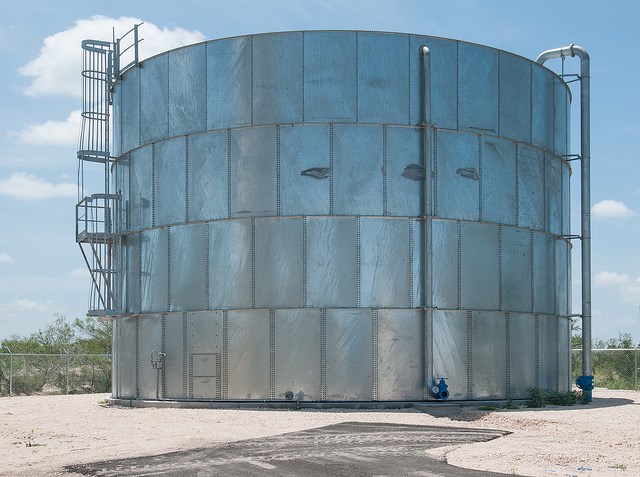
While water is essential to life, it’s one of the most destructive elements on the planet. Without the use of a water tank surface coating, the substrate in a municipal tank is vulnerable to factors such as corrosion, deterioration, and nitrification. The destructive problems compromise the safety of the water within a tank and reduce the tank’s service life. Maintenance that includes the proper application of surface coatings mitigates these risks and increases a tank’s durability.
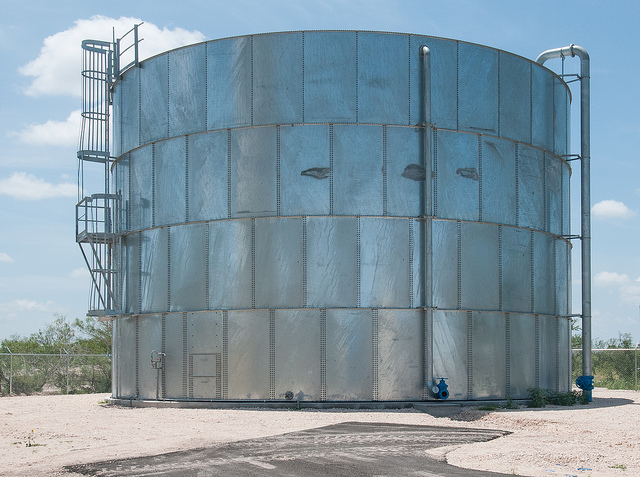
By design, municipal water tanks should never affect the safety of the water, as it’s already susceptible to environmental influences like mineral accumulation, pH changes, bacteria, and algae. Common tank types include:
Surface coatings protect the inside of municipal water tanks from deterioration and corrosion, as it forms a physical barrier between the water and the walls of the tank. Some protective epoxy coatings also give tanks an added layer of chemical resistance. The best type of coating to use depends on the design of the tank, the material from which it is made and the standards outlined by the American Water Works Association.
Fiberglass and polyethylene tanks, particularly those stored above ground, may require surface coatings on the exterior walls to protect them from the impact of UV rays. Without the protective coating, the tank’s exterior will degrade. It’s not uncommon for water tanks made of other materials to have an exterior surface coating that protects against the elements and prevents heat absorption.
The best time to apply surface coatings to a water tank is before its installation to protect it from:
If a contractor didn’t apply a water tank surface coating before a tank’s installation, it is possible to apply it during maintenance.
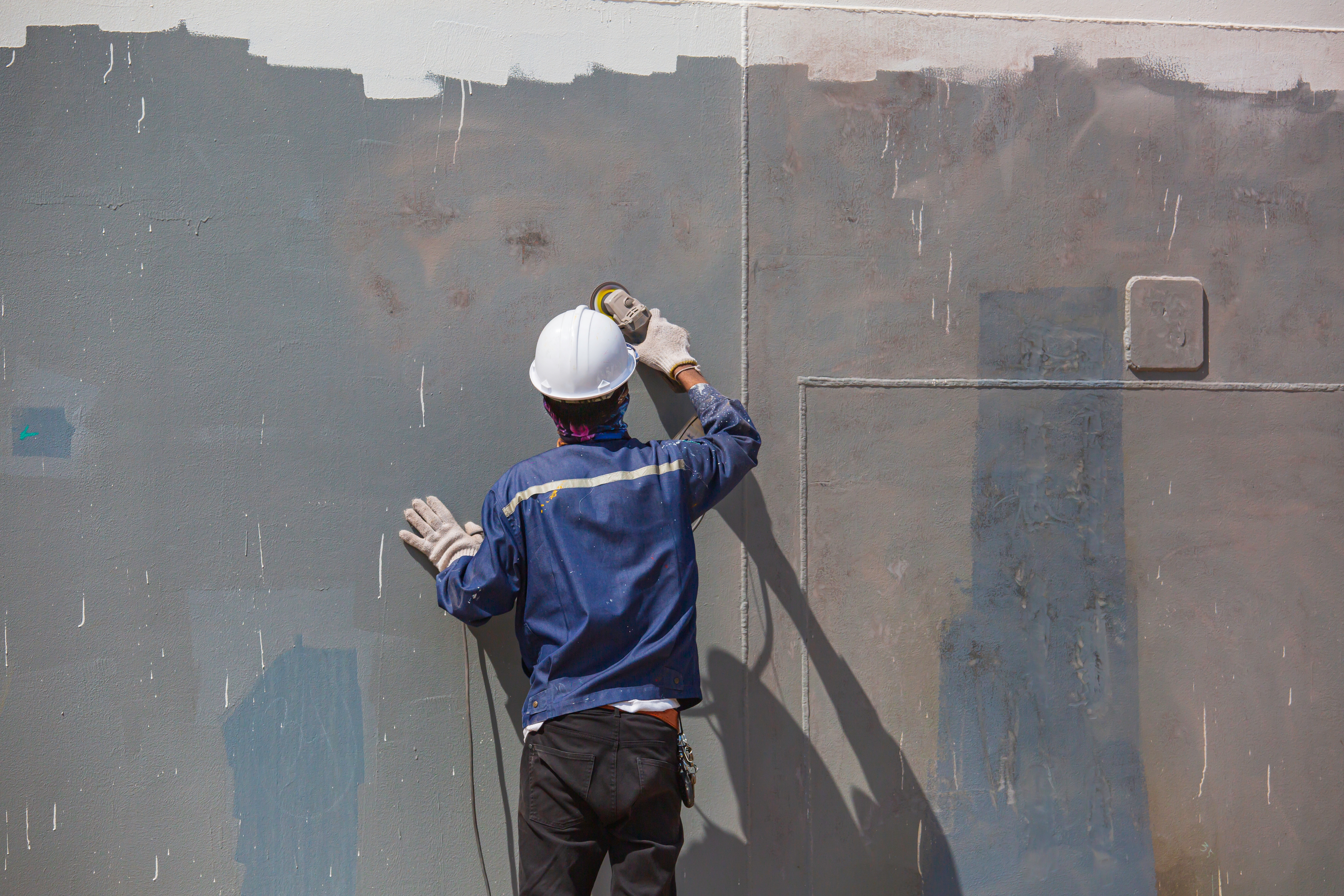
Protective coatings extend the life of water tanks and help protect the water they hold. The success of the coatings depends on the tank’s surface preparation. It is not enough to merely power-wash or use washouts to prepare the surface because they don’t fully remove organic and inorganic deposits. Leftover deposits reduce the coating’s durability and cause it to bubble, crater, or crack.
When applying surface coatings, it’s also crucial to create the ideal environment for it to dry. Depending on the time of year and the tank’s location, the temperatures and relative humidity levels may prolong a protective coat’s drying time. Temporary climate control solutions lower humidity levels and promote optimal surface temperatures for the water tank surface coating to adhere to the substrate.
Polygon specializes in temporary climate control solutions that improve the performance of protective coatings during the preparation, application, and curing stages. The solutions will help you stay on top of deadlines, reduce maintenance costs and prolong the amount of time between coating applications. Contact Polygon today to learn more about implementing its solutions with your municipal water tank maintenance projects.
[Photo by U.S. Department of Agriculture via CC License 2.0]

Emergency Support
1-800-422-6379Send an email
us_info@polygongroup.com24/7 Hotline
Urgent equipment and operational support
Property damage
Documents and contents damage
24/7 Emergency:
United States: 1-800-422-6379
Canada: 1-888-702-4782
Your questions and comments are important to us. Please send us your information with a description of your needs and we will connect with you promptly.
Polygon US Headquarters
15 Sharpners Pond Road, Building F North Andover, MA 01845
Phone: 1-800-422-6379
See all our US locations here: Polygon US office locations
For global support, please contact one of our offices listed here: Our Global offices - Polygon Group