Notice
You are now leaving Polygon Restoration's website and will be directed to another country in the group.
Do you want to proceed?
Notice
You are now leaving Polygon Restoration's website and will be directed to another country in the group.
Do you want to proceed?
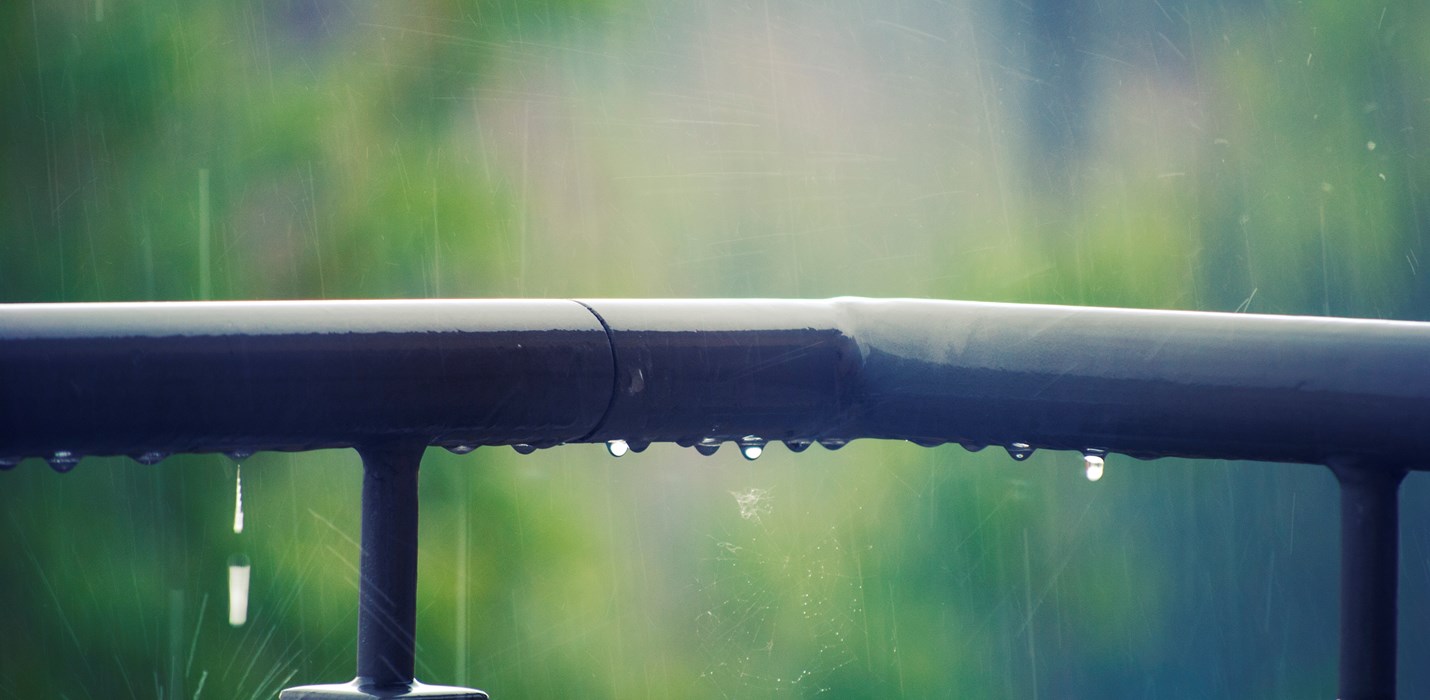
Corrosion is a natural process that occurs when a material reacts to its environment. While some associate the term with the deterioration of metals, it also occurs with ceramics, polymers, and composite-mechanical mixtures. Understanding the basics of this phenomenon allows you to take steps to ensure your corrosion control efforts are more effective.
Materials corrode when they are in chemically unstable environments. When a material interacts with this environment, its properties alter in an attempt to reach a chemically stable form. This thermodynamic reaction involves the gradual destruction of the material in question because of an electrochemical reaction or exposure to a destructive force, such as a chemical or radiation. Several materials can suffer the effects of corrosion, but the term is most often associated with metals made of ore or processed minerals, which are naturally unstable.
A 1999 NACE International study found that the direct cost of corrosion in the country was $276 billion annually, about 3.1 percent of the Gross Domestic Product. In 2016, the organization estimated that the global cost of corrosion was about $2.5 trillion, about 3.4 percent of the global GDP. From the weakening of polymers to hydrogen embrittlement on ships, corrosion control is vital in all industries.
Scientists classify corrosion by the type of corrosive attack and the environment to which a surface is exposed. Common types of corrosion include:
Because of the high costs associated with corrosion, prevention and control are more economical and effective. In addition to proper material design and selection, the most popular control techniques include surface preparation and coating paired with climate control. Coating a surface with a protective treatment creates a protective barrier between the surface and the environment, which slows corrosion. A protective coating, however, is only as effective as the surface’s preparation and the environment surrounding it. The slightest defect could cause a coating to fail, resulting in extensive damage.
To aid with corrosion control, Polygon designs custom climate control systems that create the ideal environment for surface preparations and coatings. The controlled environments ensure the proper temperatures, ventilation, and relative humidity levels for a project’s success. In turn, coating projects experience fewer delays, unnecessary expenses, and premature failures. Get in touch with Polygon today to request a complimentary consultation and learn how its affordable solutions will aid your corrosion control efforts.

Emergency Support
1-800-422-6379Send an email
us_info@polygongroup.com24/7 Hotline
Urgent equipment and operational support
Property damage
Documents and contents damage
24/7 Emergency:
United States: 1-800-422-6379
Canada: 1-888-702-4782
Your questions and comments are important to us. Please send us your information with a description of your needs and we will connect with you promptly.
Polygon US Headquarters
15 Sharpners Pond Road, Building F North Andover, MA 01845
Phone: 1-800-422-6379
See all our US locations here: Polygon US office locations
For global support, please contact one of our offices listed here: Our Global offices - Polygon Group