Notice
You are now leaving Polygon Restoration's website and will be directed to another country in the group.
Do you want to proceed?
Notice
You are now leaving Polygon Restoration's website and will be directed to another country in the group.
Do you want to proceed?
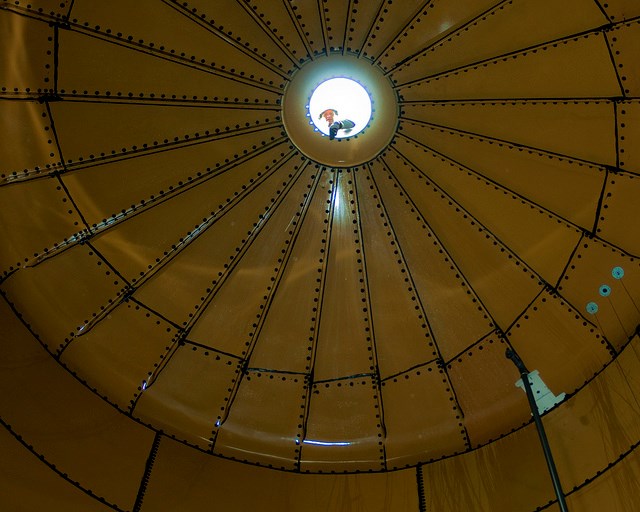
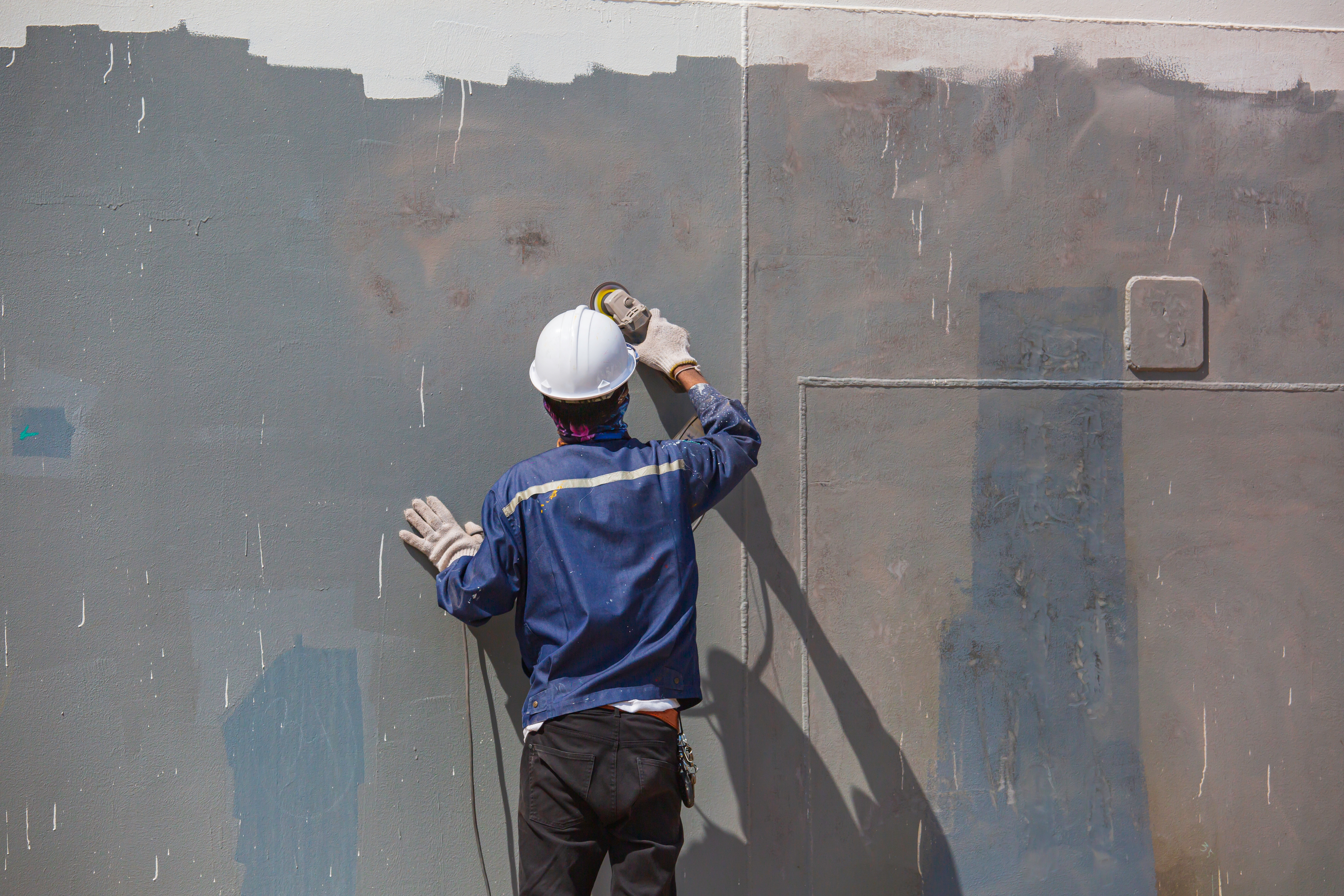
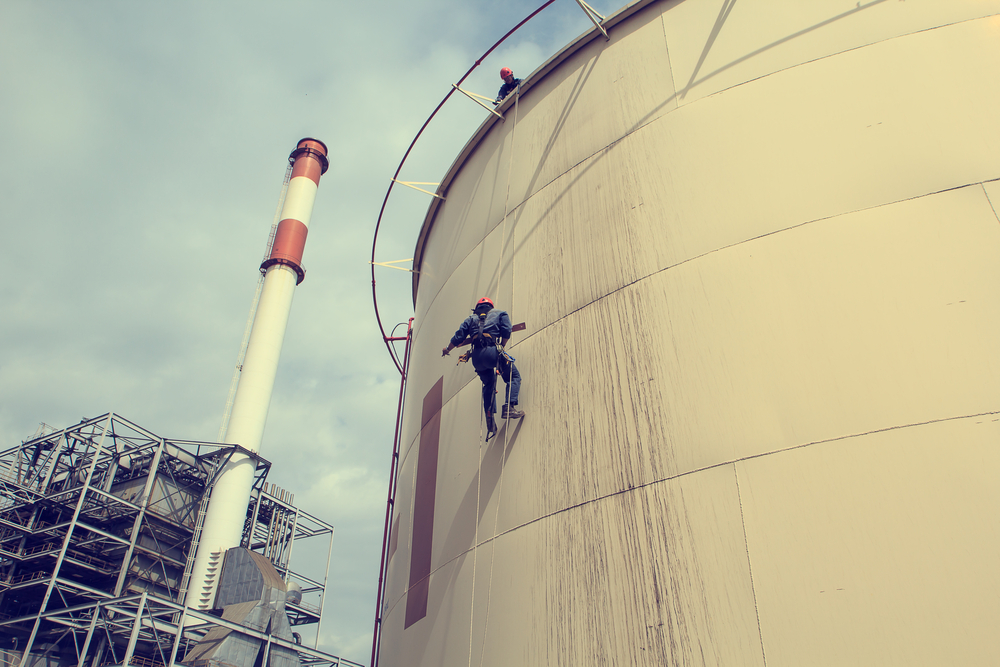
While some use the terms interchangeably, drying and curing are not the same. The two are distinct processes. Drying refers to the removal of water or a solvent by means of evaporation so that the final product is solid. Curing is a chemical process in which a polymer material toughens or hardens. Drying and curing happen simultaneously in several applications, like after the application of a protective surface coating on tanks. By knowing the science behind curing for surface coating applications, you’ll gain a greater understanding of how to optimize a tank surface’s ambient conditions.
When you paint or coat an object, the material might be dry, but it may not be cured fully. When a coating is dry, it is no longer sensitive to local damage. A fully cured coating reached its ultimate structural integrity or hardness, fully adhered to a surface, achieved its maximum strength, and is stable enough for service.
During the curing process, a chemical reaction or physical action occurs, depending on the material. With epoxy polymers, for example, polymerization occurs when anhydrides or amines further polymerize prepolymers via the opening of epoxide ring terminals. The curing action creates a complex network of repeating units linked by linear ether groups.
In regards to curing tank surface coating applications, it is important to keep in mind that curing processes often require specific air temperatures, surfaces temperatures, and relative humidity levels to dry and cure properly. Conditions that are too cold or too humid, for instance, tend to increase drying and curing times. Conversely, hot, arid conditions speed up drying times, but might not allow a coating to cure properly.
Contractors often encounter curing-related problems when they rely on the weather to cooperate rather than use Polygon’s temporary climate control solutions. The custom-designed solutions allow you to create the optimal environmental conditions needed to maintain a tank’s ideal surface temperature and promote predictable curing times. Proactive contractors that use climate control systems ultimately save money, stay on schedule, keep workers more productive, prevent costly delays and improve customer service. More importantly, the use of the equipment helps prolong a protective coating’s duration because it is cured properly during the application process. Contact Polygon to learn more about how climate control systems will benefit your current and upcoming projects.
[Photo from VIUDeepBay via CC License 2.0]

Emergency Support
1-800-422-6379Send an email
us_info@polygongroup.com24/7 Hotline
Urgent equipment and operational support
Property damage
Documents and contents damage
24/7 Emergency:
United States: 1-800-422-6379
Canada: 1-888-702-4782
Your questions and comments are important to us. Please send us your information with a description of your needs and we will connect with you promptly.
Polygon US Headquarters
15 Sharpners Pond Road, Building F North Andover, MA 01845
Phone: 1-800-422-6379
See all our US locations here: Polygon US office locations
For global support, please contact one of our offices listed here: Our Global offices - Polygon Group