Notice
You are now leaving Polygon Restoration's website and will be directed to another country in the group.
Do you want to proceed?
Notice
You are now leaving Polygon Restoration's website and will be directed to another country in the group.
Do you want to proceed?
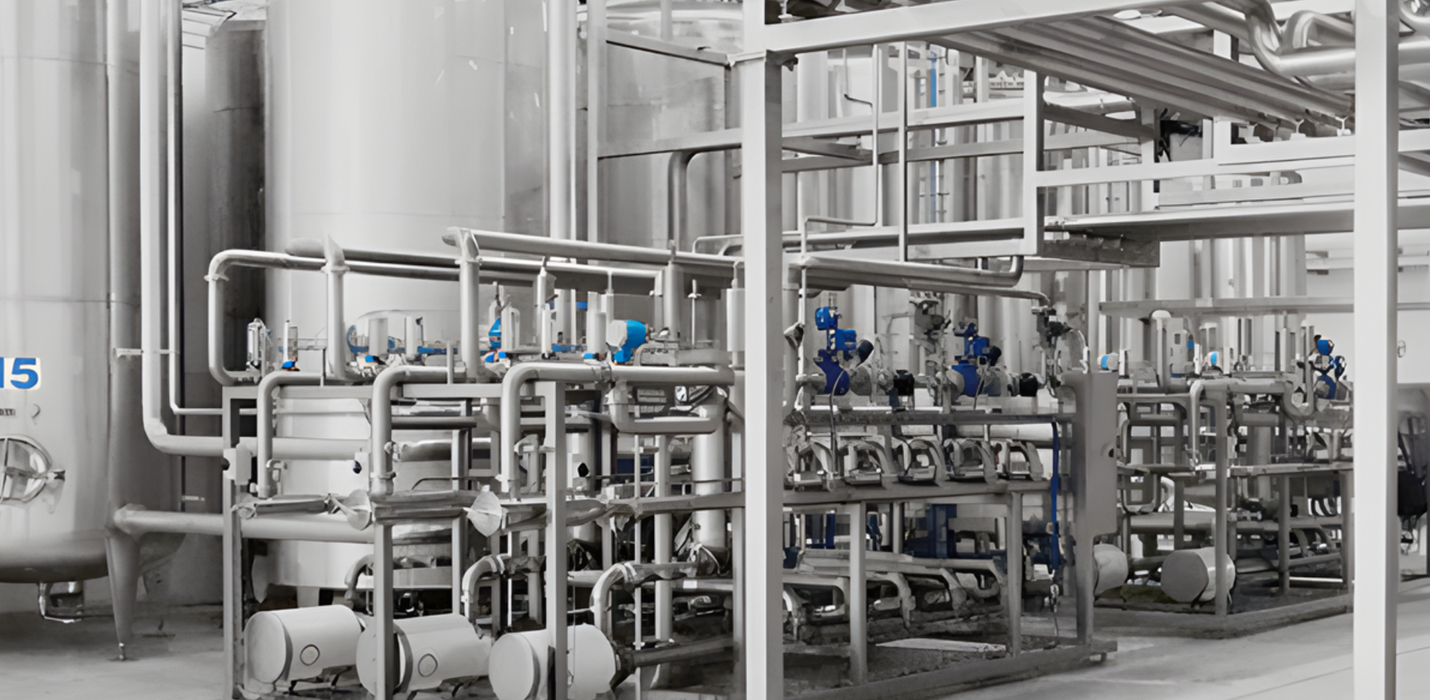
Water is a constant presence in food and beverage operations, so it’s easy to overlook its broader impact. However, how it’s managed can influence both operational efficiency and overall costs. Inefficient use doesn’t just waste the resource itself; it also drives up energy consumption, since pumps, heaters, chillers, and CIP systems all rely on it to operate efficiently.
For ingredient formulation, sanitation and cleaning-in-place (CIP), cooling and refrigeration, steam generation, and wastewater discharge, water is essential across facilities. Usage varies by product and sanitation frequency, but the real insight comes from understanding where, when, and why water is used and how much energy is required to support it.
Food and beverage facilities face growing risk from water availability due to drought or local restrictions. Water quality issues, such as mineral content or contamination, can compromise safety and damage equipment. Undetected leaks quietly drive up water and wastewater costs, while inefficient flow increases hidden energy loss as pumps and refrigeration systems consume more power to move, heat, or treat unnecessary volumes.
Periodic meter checks and utility bills no longer provide enough visibility. Solutions like WINT water monitoring system give operators real-time insight across production lines and utility systems. By combining flow sensors, water meters, and analytics, WINT enables facilities to correlate water use with energy draw, detect leaks, abnormal pump runtime, inefficient CIP cycles, and catch emerging equipment issues before they escalate.
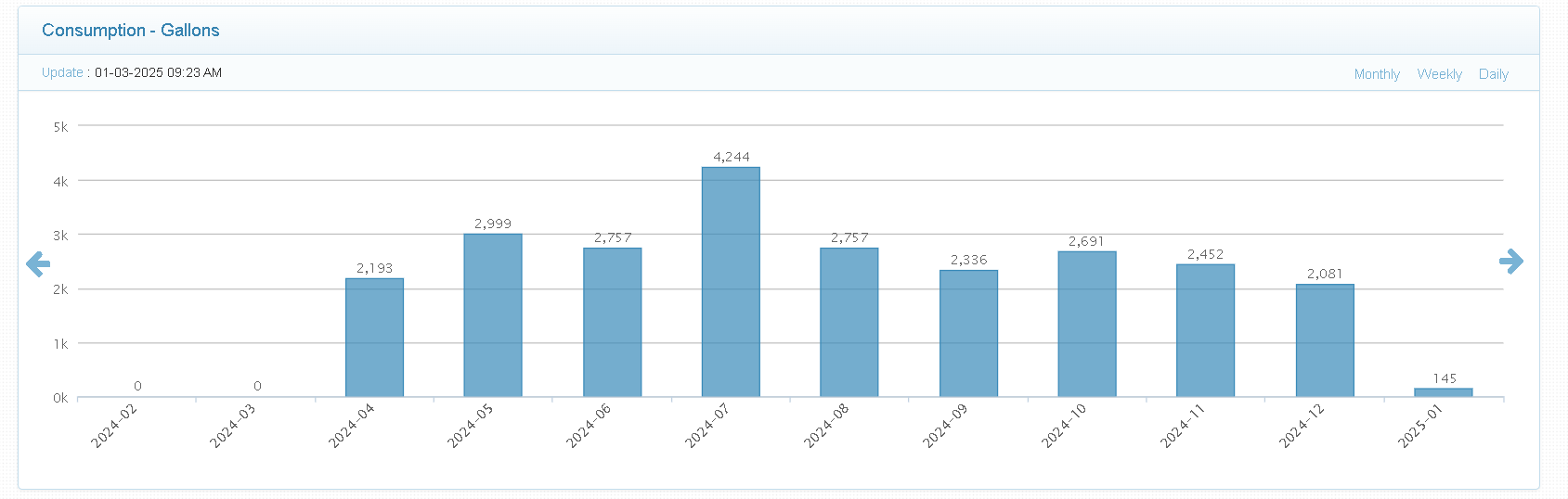
WINT's CIP Analyzer is an AI-powered tool that transforms CIP system efficiency. It analyzes water and liquid flows to identify anomalies, process irregularities, and detect equipment malfunctions.
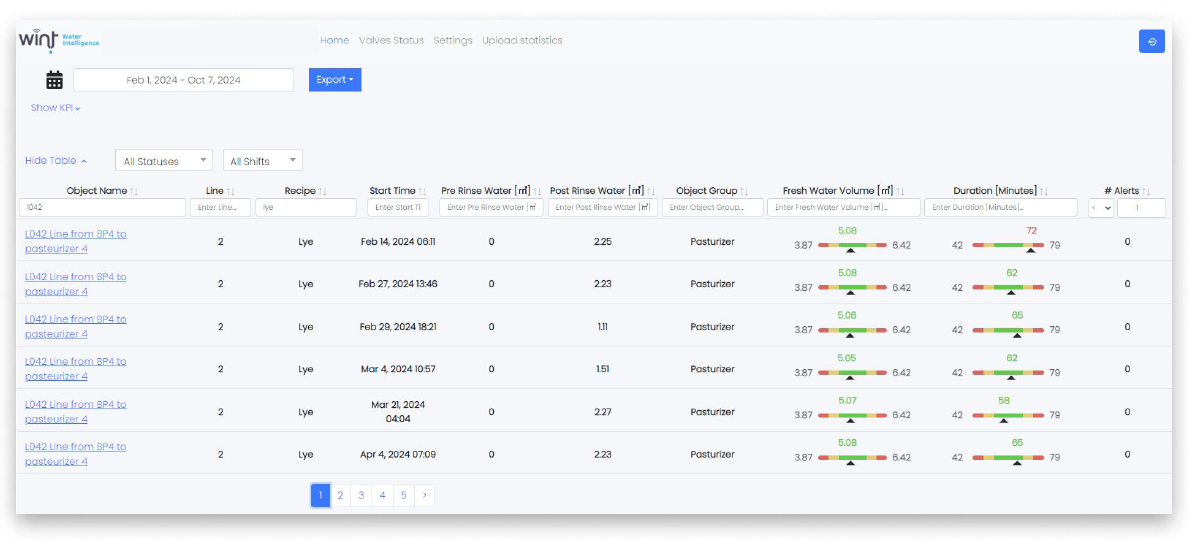
The tool delivers real-time water usage data and actionable insights to support predictive maintenance, resource optimization, and improved line efficiency.
Water will always be central to food and beverage operations, but high-volume use doesn’t have to mean uncontrolled use. Implementing WINT and these five risk management strategies allows facilities to gain visibility, take proactive control, and build a more resilient, cost-efficient, and compliant operation for the future.
Learn more about water risk management solutions

Emergency Support
1-800-422-6379Send an email
us_info@polygongroup.com24/7 Hotline
Urgent equipment and operational support
Property damage
Documents and contents damage
24/7 Emergency:
United States: 1-800-422-6379
Canada: 1-888-702-4782
Your questions and comments are important to us. Please send us your information with a description of your needs and we will connect with you promptly.
Polygon US Headquarters
15 Sharpners Pond Road, Building F North Andover, MA 01845
Phone: 1-800-422-6379
See all our US locations here: Polygon US office locations
For global support, please contact one of our offices listed here: Our Global offices - Polygon Group