Notice
You are now leaving Polygon Restoration's website and will be directed to another country in the group.
Do you want to proceed?
Notice
You are now leaving Polygon Restoration's website and will be directed to another country in the group.
Do you want to proceed?
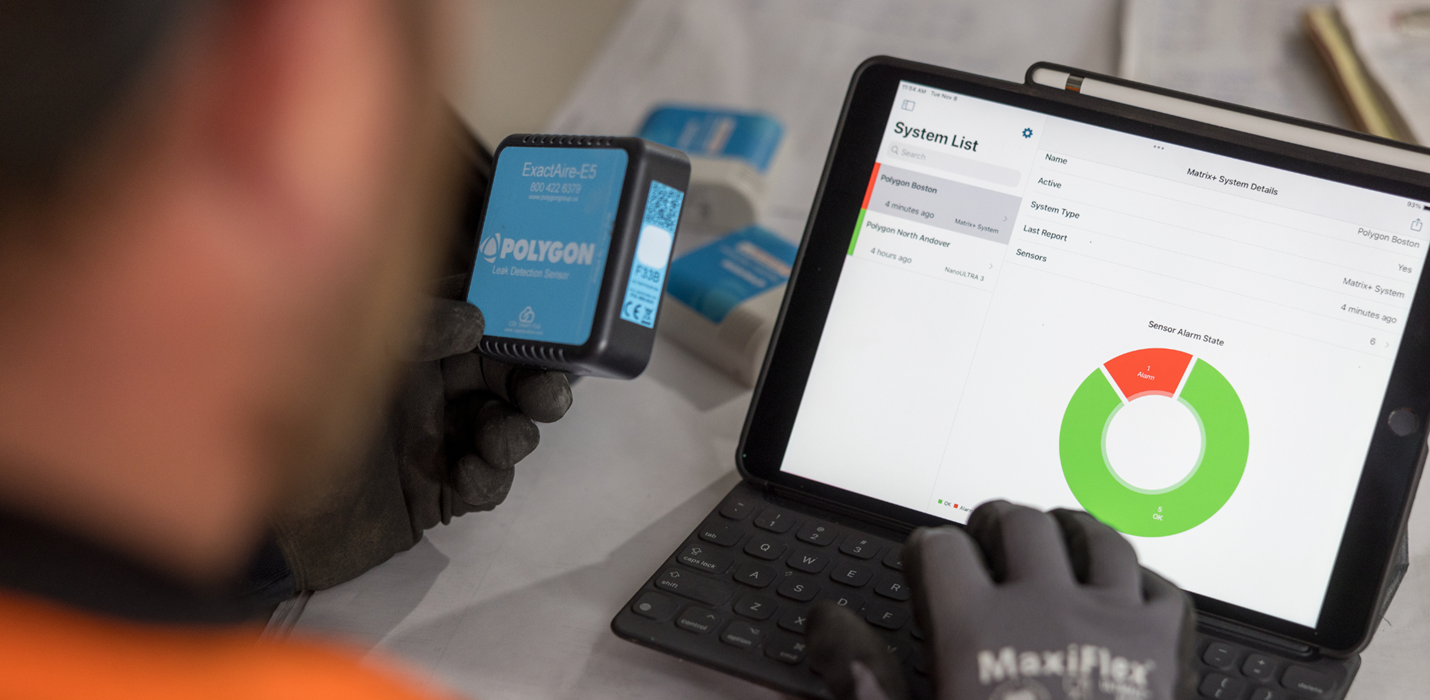
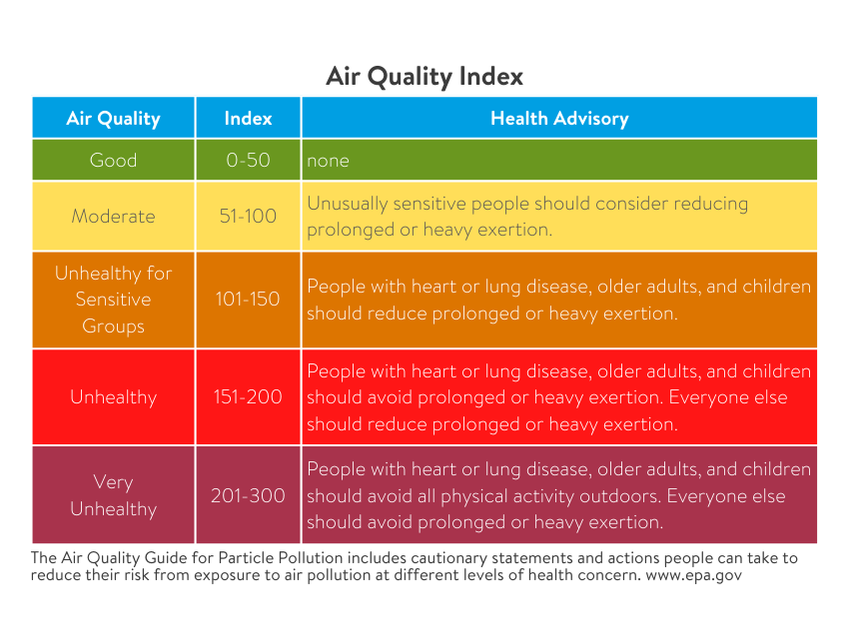
We all know good air quality is good and bad air quality is bad. But how can people operating businesses and managing facilities understand air quality levels in and around their working space? In this article, we will explain the US EPA Air Quality Index and cover some common air quality questions.
Indoor air quality can be affected by many factors, including the air exchange rate, outdoor climate, weather conditions, and occupant behavior.
Need more information on air quality and the Air Quality Index? Visit AirNow.gov for current AQI data and forecasts for specific locations.
Learn more about Polygon's continuous air quality monitoring.
Sources
https://worldgbc.org/healthy-equity-resilience/air-quality-in-the-built-environment/
https://www.epa.gov/indoor-air-quality-iaq/introduction-indoor-air-quality

Emergency Support
1-800-422-6379Send an email
us_info@polygongroup.com24/7 Hotline
Urgent equipment and operational support
Property damage
Documents and contents damage
24/7 Emergency:
United States: 1-800-422-6379
Canada: 1-888-702-4782
Your questions and comments are important to us. Please send us your information with a description of your needs and we will connect with you promptly.
Polygon US Headquarters
15 Sharpners Pond Road, Building F North Andover, MA 01845
Phone: 1-800-422-6379
See all our US locations here: Polygon US office locations
For global support, please contact one of our offices listed here: Our Global offices - Polygon Group