Notice
You are now leaving Polygon Restoration's website and will be directed to another country in the group.
Do you want to proceed?
Notice
You are now leaving Polygon Restoration's website and will be directed to another country in the group.
Do you want to proceed?
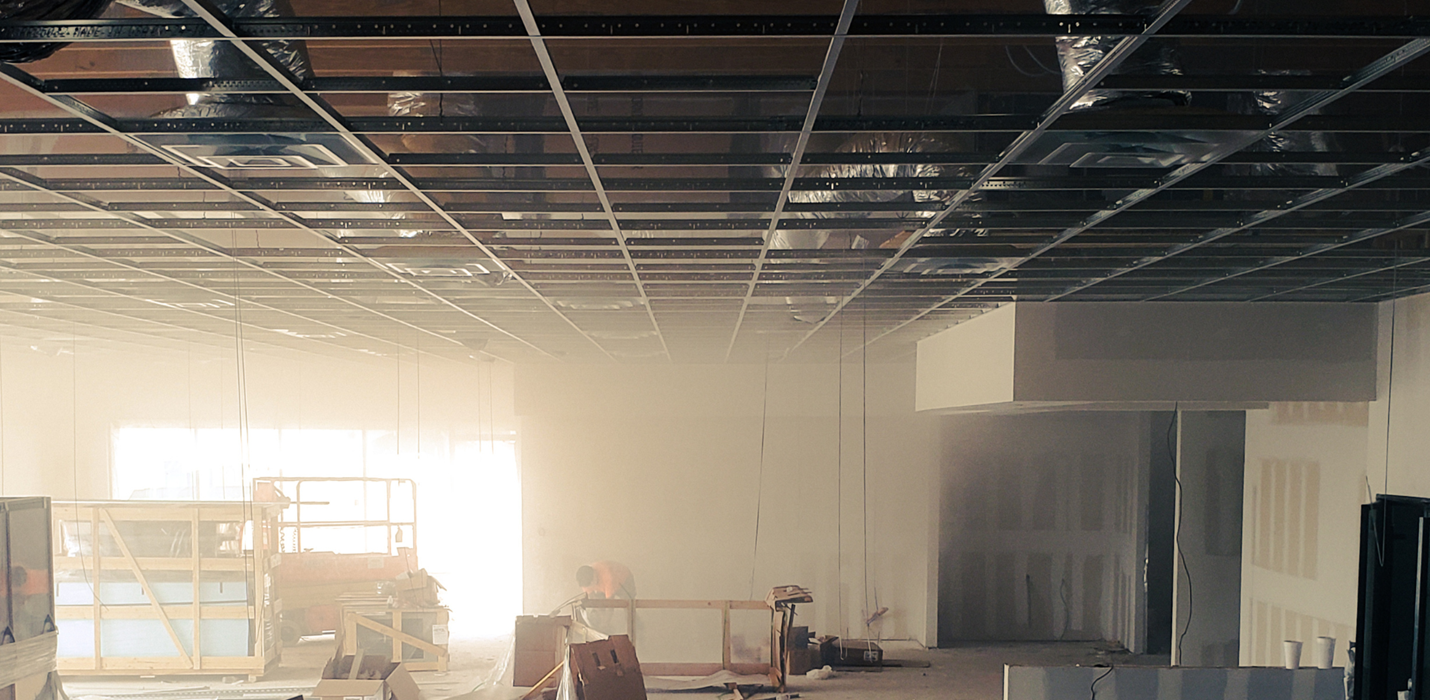
Indoor air quality is important on construction jobsites for several reasons. One, controlling dust and fumes supports productivity and the health of workers. Two, good air quality can protect duct work and reduce health risks to future occupants. Third, maintaining good conditions can help protect sensitive components and equipment from moisture and dust during and after installation.
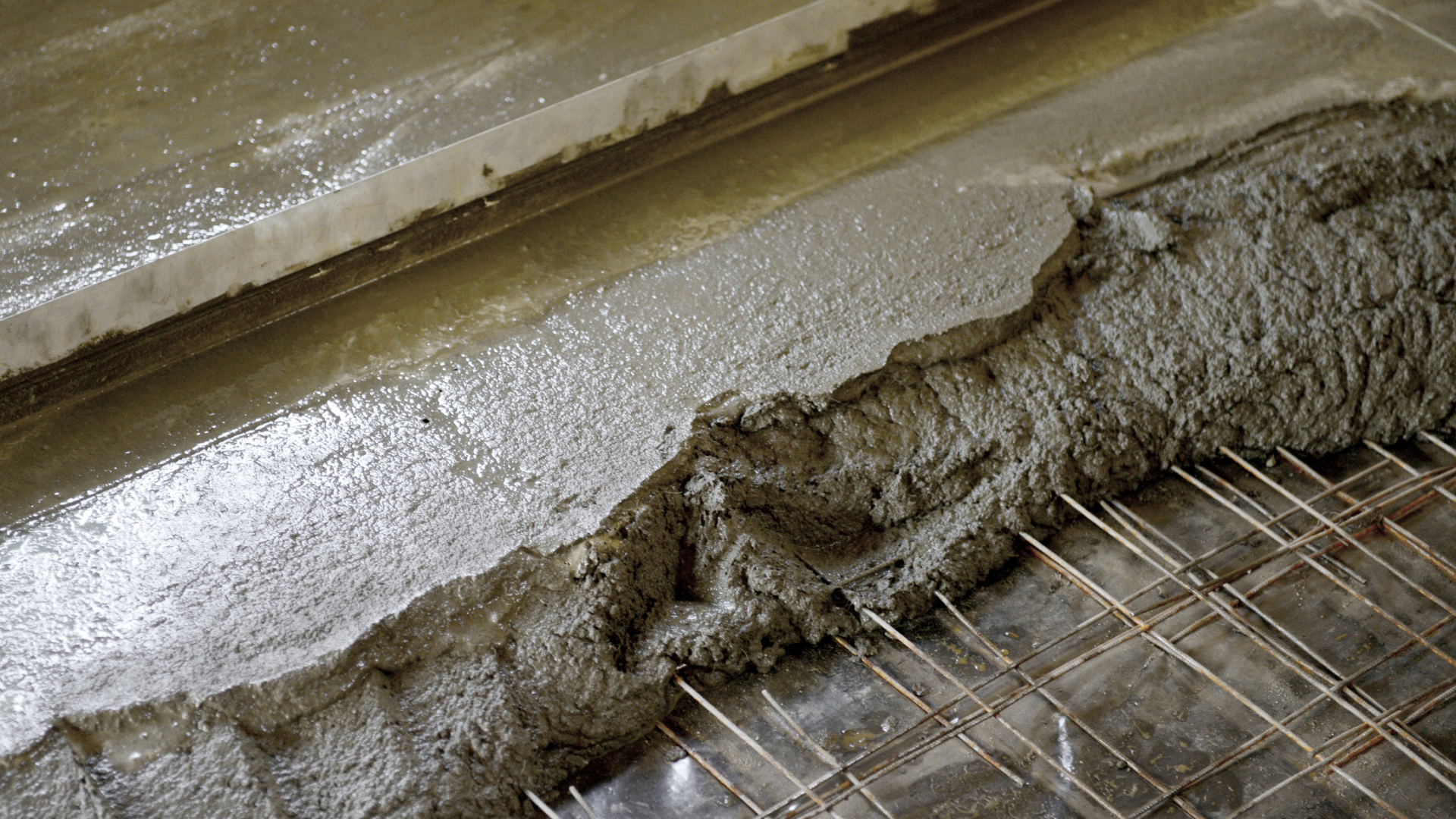
Sources of poor IAQ include dust or particulate matter (PM) from combustion and materials like silica, fiberglass, asbestos, wood, and paving in and around the site. Harsh fumes from curing, painting, and finishes can compromise IAQ. Even moisture or unaddressed water leaks pose an issue because they can lead to mold growth and increased humidity, which can worsen indoor air quality (IAQ) by triggering respiratory problems, allergens, and the spread of harmful microorganisms.

How to manage IAQ?
Ask your insurance broker about incentives for monitoring. Insurance carriers are reducing deductibles or lowering premiums when sight monitoring is deployed.
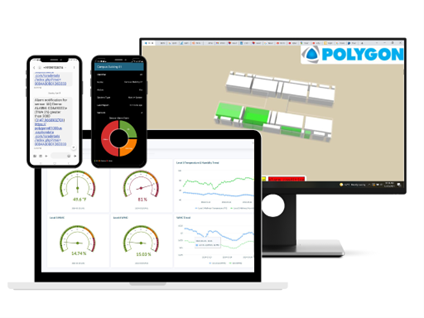
Job trailers and surrounding buildings are often overlooked. Adding sensors to monitor potential problems can help reduce future risks or simply let works know when to open a door or window.
Mission Critical and data centers require additional IAQ management to ensure safe installation of sensitive components. Verifying and documenting environmental conditions is particularly critical at commissioning. Access to historical trends and evidence of current conditions helps teams prove proper measures were taken and the building meets specifications.

Emergency Support
1-800-422-6379Send an email
us_info@polygongroup.com24/7 Hotline
Urgent equipment and operational support
Property damage
Documents and contents damage
24/7 Emergency:
United States: 1-800-422-6379
Canada: 1-888-702-4782
Your questions and comments are important to us. Please send us your information with a description of your needs and we will connect with you promptly.
Polygon US Headquarters
15 Sharpners Pond Road, Building F North Andover, MA 01845
Phone: 1-800-422-6379
See all our US locations here: Polygon US office locations
For global support, please contact one of our offices listed here: Our Global offices - Polygon Group