Case studies

Water

Drying wooden floors

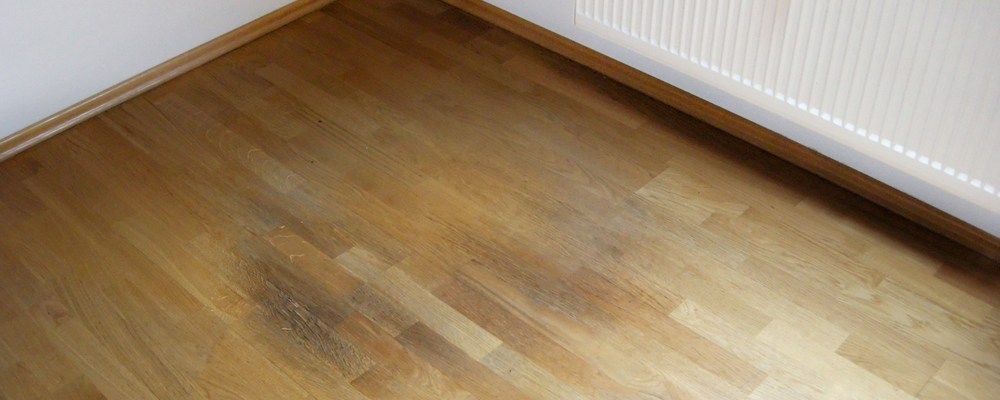
While textile floor coverings are still the product of choice in the majority of commercial applications, there has been an increase in the number of residential properties that are now installing traditional or paneled timber floors. Timber flooring come in a variety of types from tongue and groove floor boards nailed directly to a timber sub floor, to parquet blocks and wood laminate glued to concrete. Typically the more expensive the wood flooring, the more moisture resistant it is, increasing the potential for successful restoration.
Climate

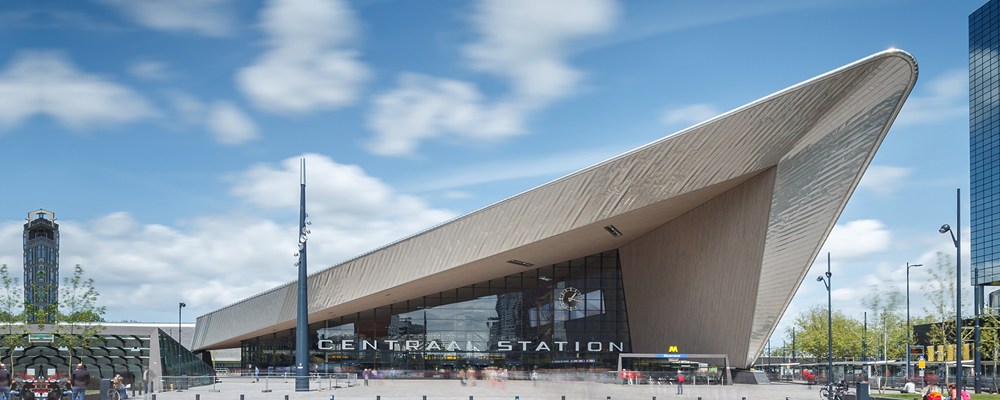
Construction drying service - Rotterdam

Water

Water damage restoration at football stadium

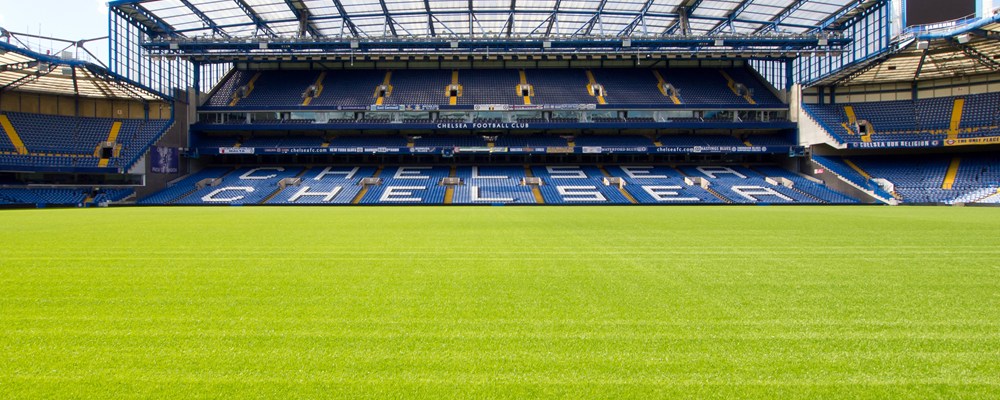
Premier League football club Hull City moved into their new home – the £45m KC stadium in 2002, which is also home to local rugby league team Hull FC. Widely admired, the stadium was named “Best Ground” at the 2006 Football League Awards and consists of an asymmetrical bowl that can seat approximately 25,000 spectators with corporate hospitality provided by 28 executive boxes. At 7pm, Thursday 12th November 2009, Polygon received a call from the stadium reporting a cascade of water pouring through the service ducts from the corporate hospitality area. By 8pm Polygon had three technicians on site.

Climate

Blasting and coating oil tanks

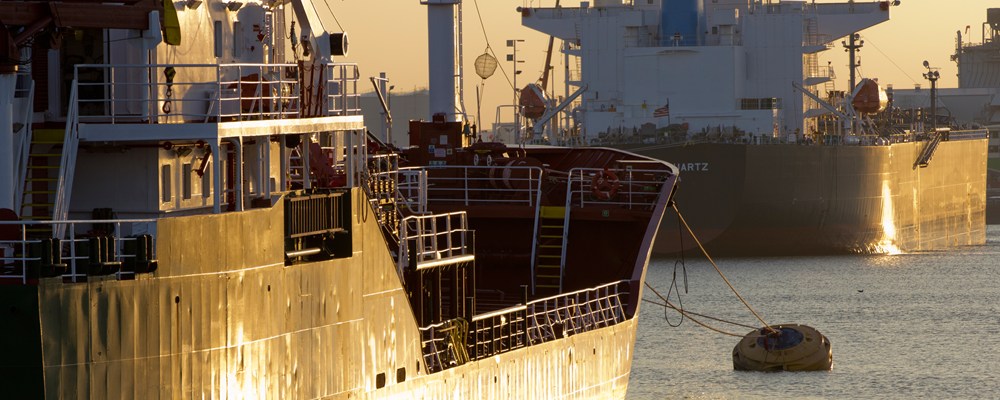
Houston Fuel Oil Terminal Company had contracted with Mobley Industrial Painters, Inc. of Deer Park, Texas, to prep the surfaces and to apply a coating liner system on the interior sections of two newly constructed giant crude oil storage tanks in Jacintoport, Texas.

Climate

Importance of screed moisture testing identified

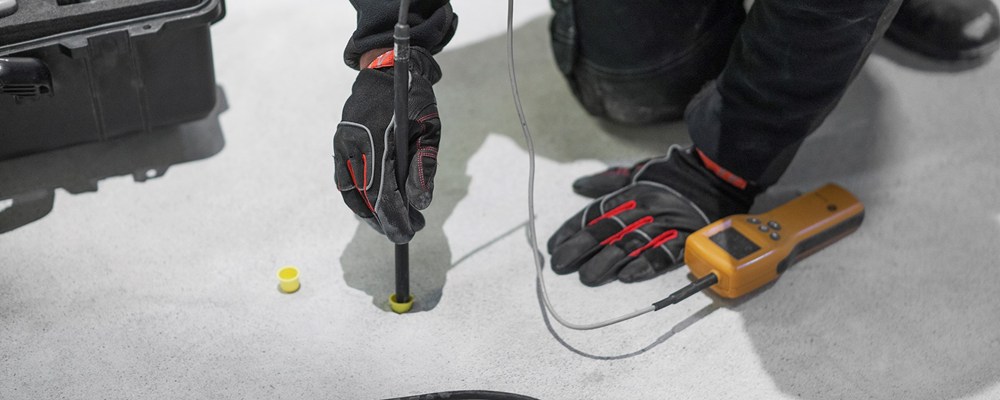
During the construction process, it is vital for the building contractor to ensure the screed has been dried to the optimal level before any final floor finishes such as vinyl, carpets or tiles are applied. If the screed is still wet, it can result in the floor finish lifting after fitting. This not only results in additional cost to repair the damage, it also creates significant disruption for the dweller and potential reputational damage for the contractor.