City and society from above. Streets and nature, property and enviroment.

Environmental Leadership

Polygon offers a portfolio that is inherently environmentally responsible. We believe prevention, as well as restoration, rather than replacement is better for individuals, businesses, and the environment. By preventing or detecting damage early, Polygon reduces the number and severity of incidents, minimising both costs and environmental impact.

Sustainable core business

As the largest European player in our industry, we recognise our responsibility and are committed to leading industry transformation forward. While this will benefit not only our customers but also our competitors, we are confident that taking the lead is the right thing to do.

Our environmental efforts are centred around the two sustainability topics: circular economy and climate change. Polygons approach to damage restoration is the sustainable choice as we prioritise prevention, restoration, and resource efficiency to support both climate action and circularity.

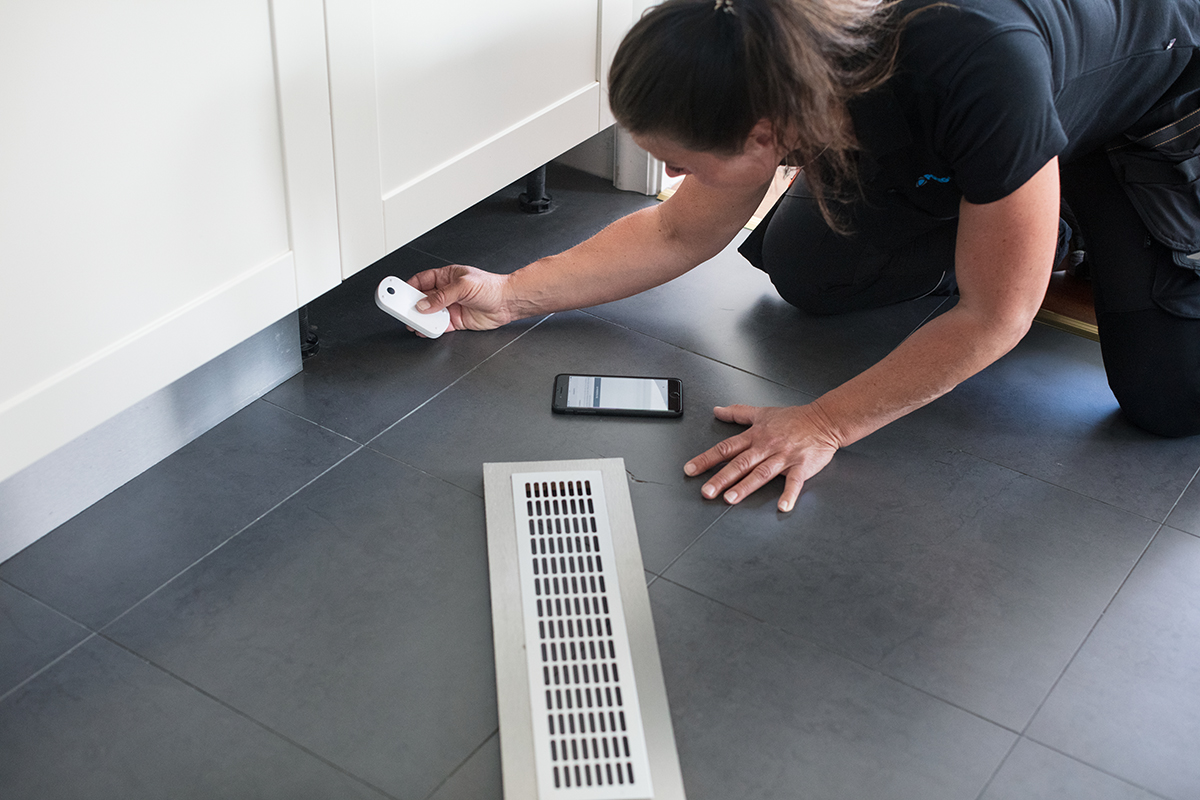
Polygon property damage prevention specialist setting up smart sensors to avoid water damage.

Prevent and control

By preventing or detecting damage early, we reduce the frequency and severity of incidents. This minimises both environmental impact and operational costs, aligning with our commitment to climate mitigation. One example of this approach is our digital solutions offering.

Learn about our Digital Solutions
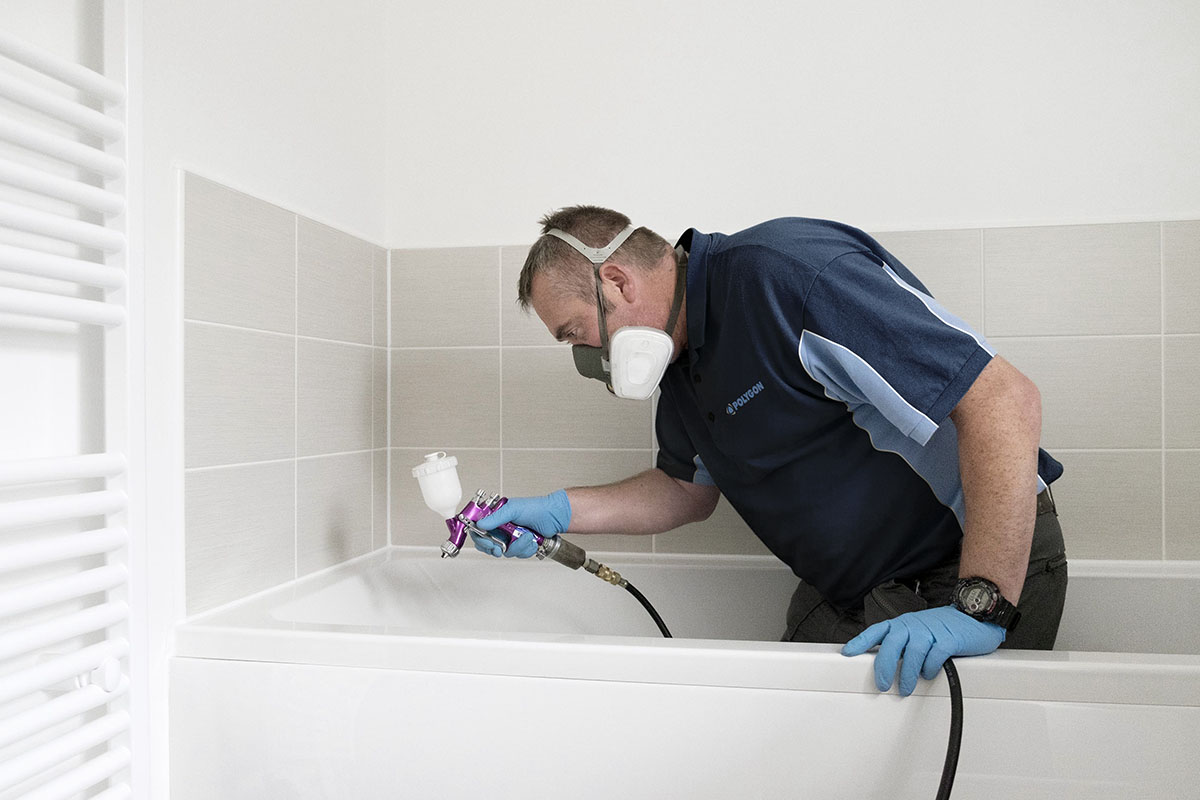
Polygon surface repair specialist repairs a bathtub.

Restore and repair over replace

Restoration has always been central to Polygon’s operations. By repairing rather than replacing, we significantly reduce waste and limit the need for new materials, key principles of a circular economy. One example of this approach is our surface repair solutions offering.

Learn about our Surface Repair solutions

Responding to climate related events

Leveraging our global capacity, we support communities in recovering from extreme weather events such as flooding occurrences that are becoming more frequent due to climate change. By focusing on restoration rather than rebuilding, we reduce the need for new materials and construction, supporting climate adaptation and responsible resource use.

We continuously work to reduce our emissions and improve our environmental performance. Each year, we measure our environmental footprint – covering scope 1, 2 and 3 – in accordance with the Greenhouse Gas Protocol to identify areas where we have the greatest impact. Below are the key drivers in our environmental footprint. These are the focus areas in our reduction plan:'

  • Fuel used in vehicles
  • Power used in equipment at customer site
  • Purchase of materials, services and waste