Notice
You are now leaving Polygon Restoration's website and will be directed to another country in the group.
Do you want to proceed?
Notice
You are now leaving Polygon Restoration's website and will be directed to another country in the group.
Do you want to proceed?
On a construction project, the cost of a water leak is often measured in time as much as in damage. The longer water flows, the greater the impact on materials, labour schedules, and project delivery timelines. A leak that runs for several hours can delay multiple trades and require significant rework, while the same leak detected and addressed quickly may have minimal impact.
Technology is changing how construction teams manage this exposure. Instead of relying on someone discovering a leak during a site visit, real-time monitoring systems can identify water issues as they occur, allowing action to be taken immediately.
Water incidents on construction sites have traditionally been managed reactively. A leak is discovered, the water supply is shut off manually, and mitigation and drying begin. While this response is necessary, the extent of the loss has often already been determined by how long the water was allowed to flow.
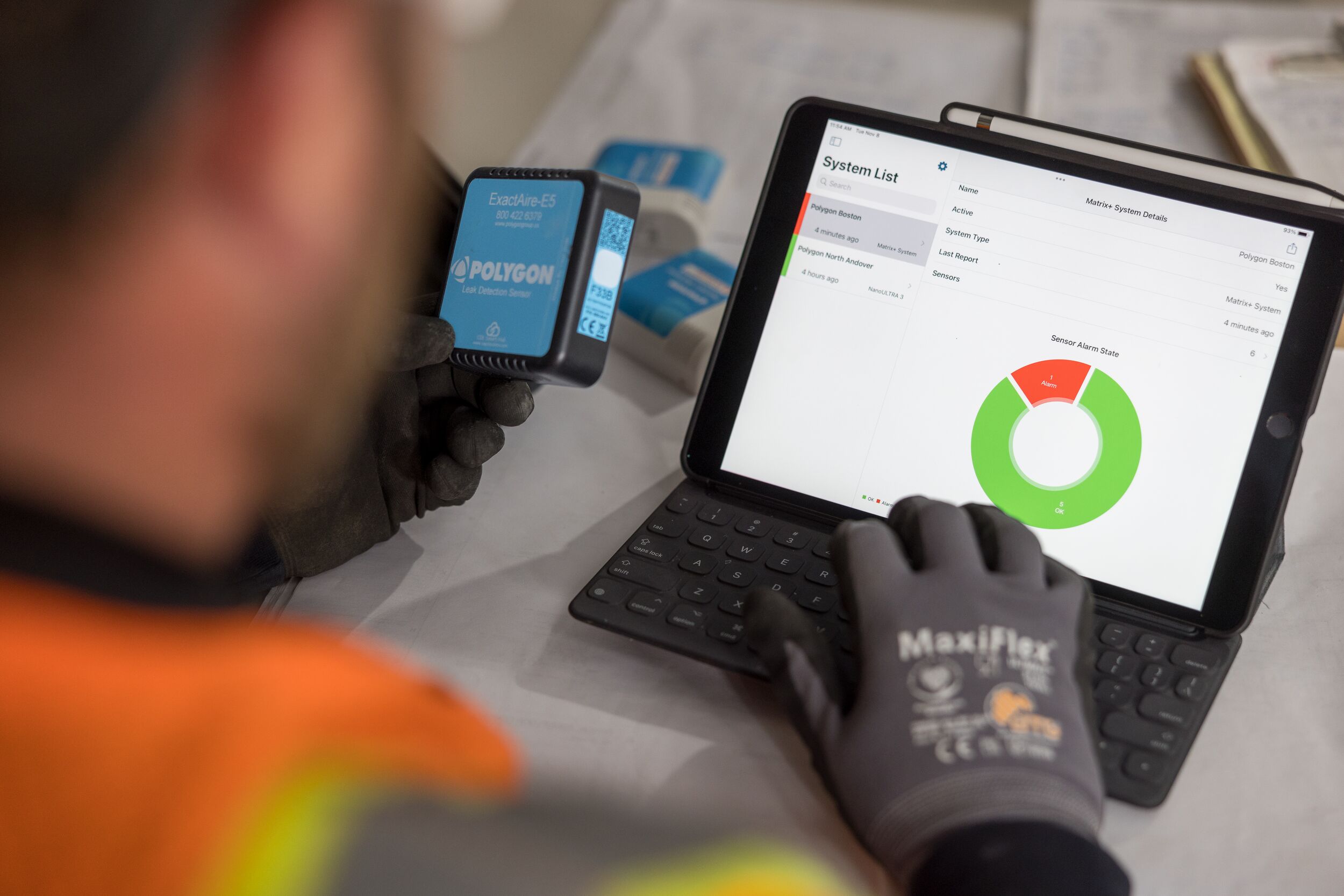
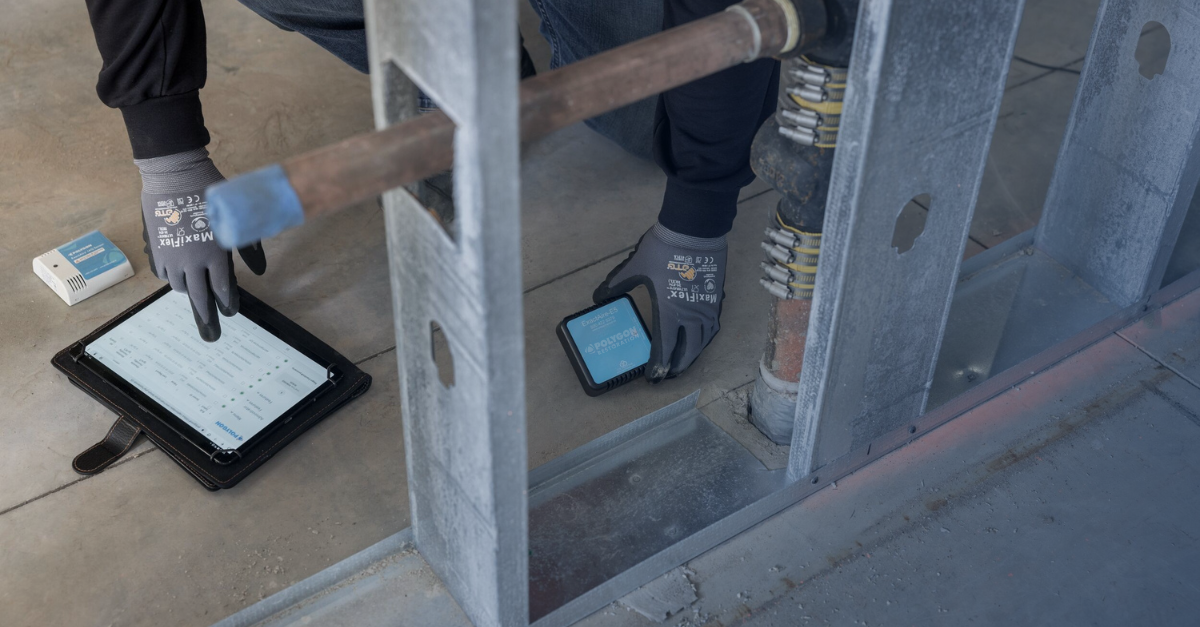
Today, technology is allowing construction teams to monitor water systems in real time and respond to issues much earlier. Solutions can range from flow sensors and leak detection devices to smart water valves with in-line monitoring and automatic shut-off, which can isolate the water supply when abnormal flow is detected. Leak detection sensors can also be placed in vulnerable areas such as mechanical rooms, near temporary water connections, or in areas where water lines are present, providing early warning when water is detected where it should not be. Project teams can monitor water usage, receive alerts, track trends, and generate reports, allowing them to respond quickly and better manage water risk throughout the construction process. From a loss perspective, earlier detection and faster response can significantly reduce material damage, drying requirements, and project delays.
Large water losses also carry an environmental impact that is often overlooked. Damaged materials are typically removed and disposed of, replacement materials must be manufactured and transported, and drying equipment can run for extended periods. Limiting the size of a water loss not only reduces repair costs and delays, but also reduces material waste, water waste, and energy consumption associated with drying and reconstruction. For project owners and developers focused on sustainability and ESG objectives, preventing losses can also help reduce the overall environmental footprint of a project.
As water mitigation technology becomes more common, it is increasingly part of the underwriting discussion for construction projects. A site where water can run for hours undetected presents a very different risk profile than a site where water systems are monitored, and the supply can be automatically isolated when a problem is detected.
In some cases, projects that implement leak detection and smart water valve technology may benefit from reduced deductibles, improved insurability, or more favorable policy terms. This reflects the reduced risk exposure when water flow can be detected and controlled quickly, limiting the potential severity of a loss. For brokers and risk engineers, this creates an opportunity to work with clients on risk mitigation strategies that not only help protect the project but also improve how the risk is evaluated from an insurance standpoint.
Water damage may always be a risk on construction sites, but technology is making it increasingly possible to manage that risk more effectively. Monitoring systems, leak detection sensors, and smart water valves allow project teams to identify problems early and limit the impact of water incidents. For underwriters, brokers, and risk engineers, the focus is gradually shifting from responding to water damage to preventing large losses from occurring in the first place. Projects that take a proactive approach to water risk are not only reducing potential claim severity, but also protecting schedules, reducing waste, and improving overall project risk performance.
In construction, controlling how long water flows can make the difference between a minor incident and a major claim. Prevention, in this case, is becoming an increasingly practical part of construction risk management.

Sean Smith, Branch Manager - BC
This article was originally published in Canadian Underwriter.

Emergency call 24hr service
1 888 702-4782Send message
ca_service@polygongroup.comDirect Reaction Team
We are ready to respond on short notice to ensure that real estate and other property restored to its origins in the fastest possible way. We do a quick assessment of the damage to be able to take the right actions
Please contact us with your questions or project requirements. We look forward to assisting you.
4565 Metropolitain Est, Montreal, QC, H1R 1Z4
Tel: 514-326-0555 | Fax: 514-326-1444
24/7 Emergency
1-888-702-4782