Blog

Protecting Vacant Buildings While Reducing Energy Costs

Temporary Climate Solutions, Digital Solutions

Across Canada, many office and commercial buildings continue to sit vacant or underutilized. According to CBRE, Canada’s national office vacancy rate stood at approximately 18% at the end of 2025, compared to 10.9% before the pandemic. As more buildings remain partially occupied or unoccupied for extended periods, property owners, municipalities, and facility managers are facing growing pressure to reduce operating costs while still protecting building conditions and long-term asset value.

Read more

Building resilience: Managing moisture and IAQ in critical infrastructure

Temporary Climate Solutions, Digital Solutions

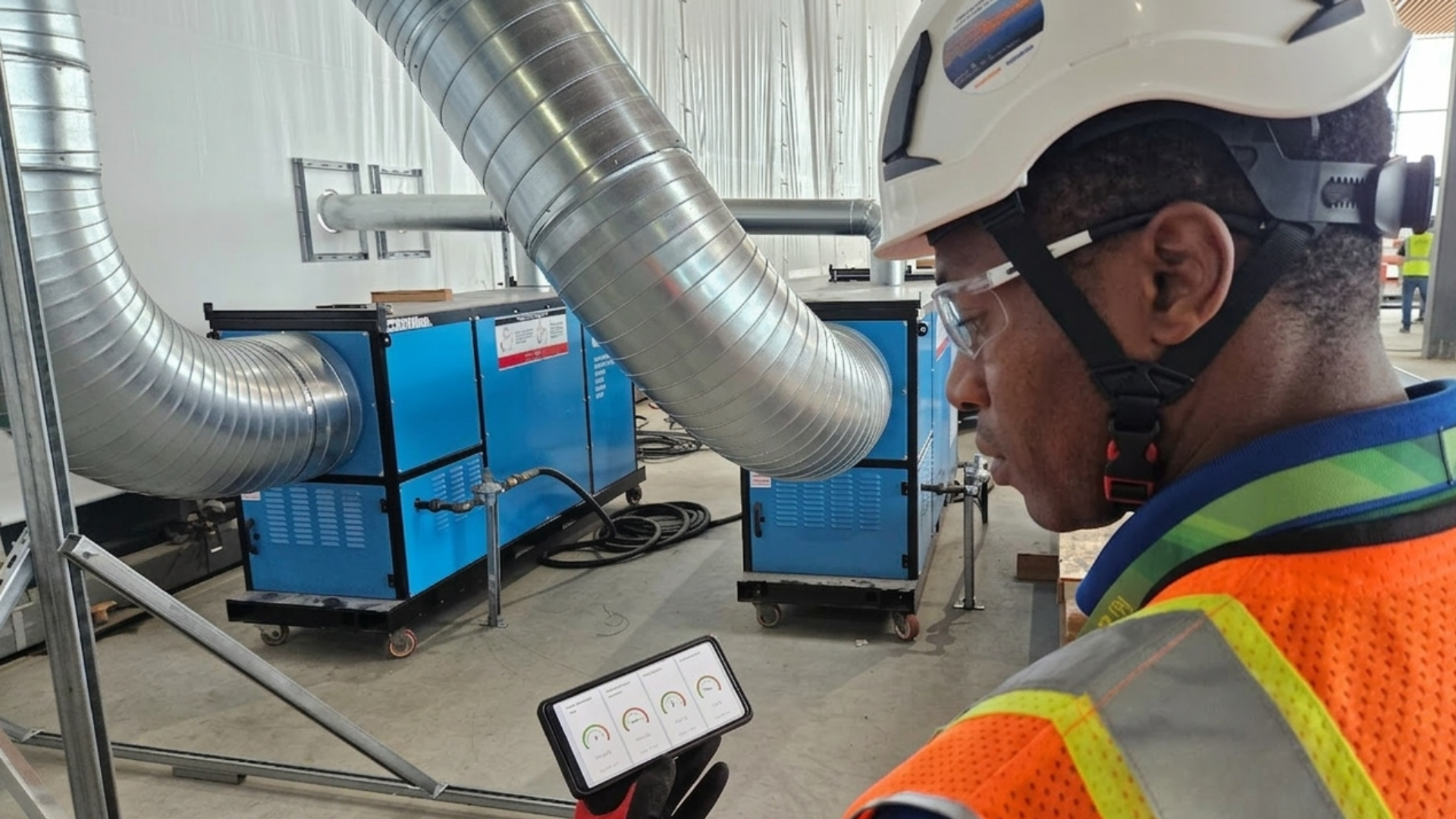
Critical infrastructure, like data centers and server rooms, are the backbone of modern industries, requiring meticulous planning and execution during construction. Moisture control and climate management rank high on the list of priorities for ensuring the resilience of these facilities. Let's explore how temporary climate control and environmental monitoring during construction play a crucial role in their success.

Read more

Smart Climate and Monitoring Strategies for High-Rise Construction

Temporary Climate Solutions, Digital Solutions

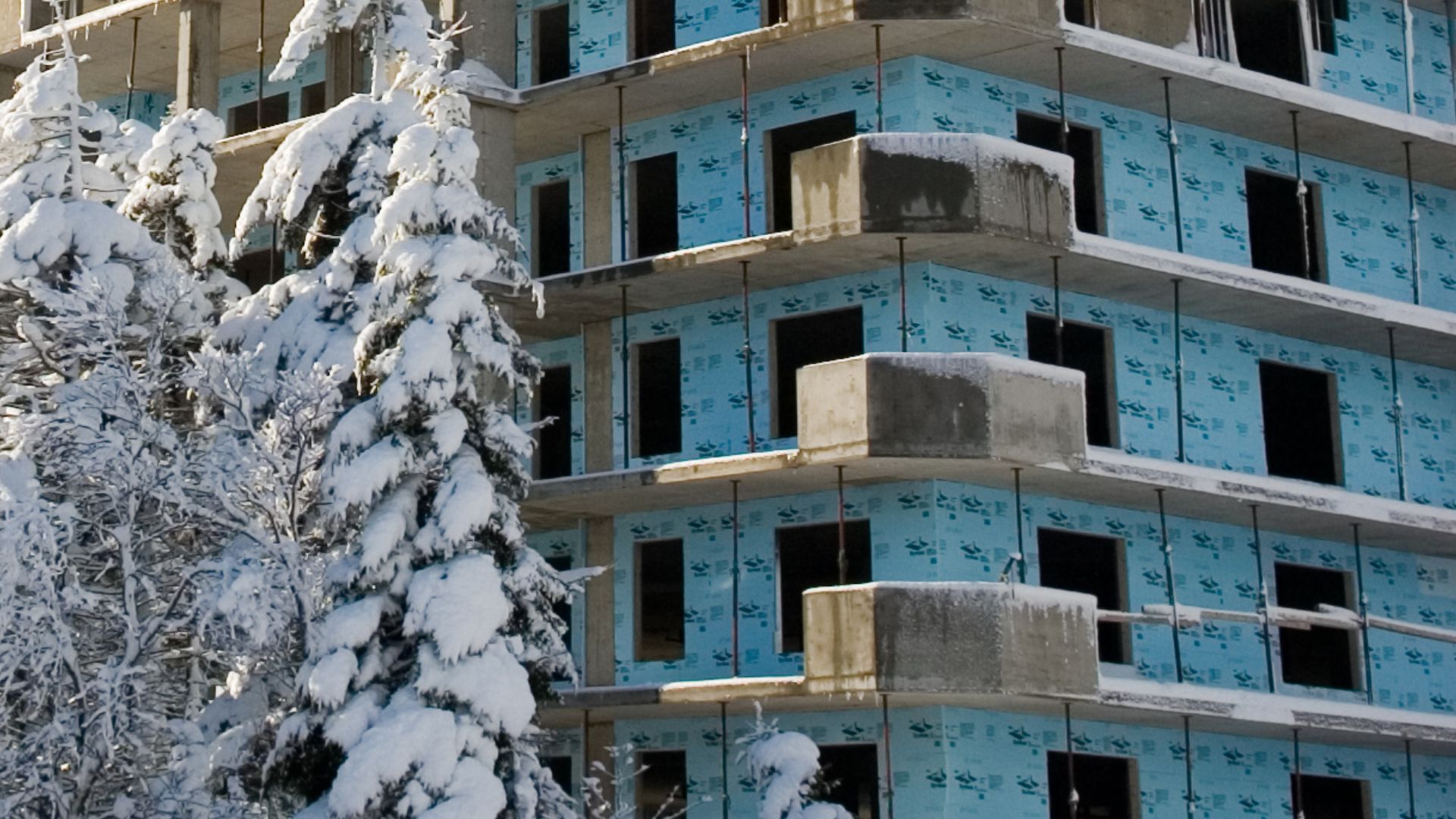
The high-rise construction sector in Canada has experienced significant growth in recent years, driven by urban densification, rising housing demand, and the push for mixed-use developments. In 2024 alone, the total value of building permits climbed to $145.3 billion, its highest level since 2017, boosted by a 21.2% increase in residential-sector intentions, largely led by multi-residential projects. With investment continuing into 2025, high-rise construction is accelerating.

Read more

Controlling Moisture in School Buildings During Summer Break

Temporary Climate Solutions

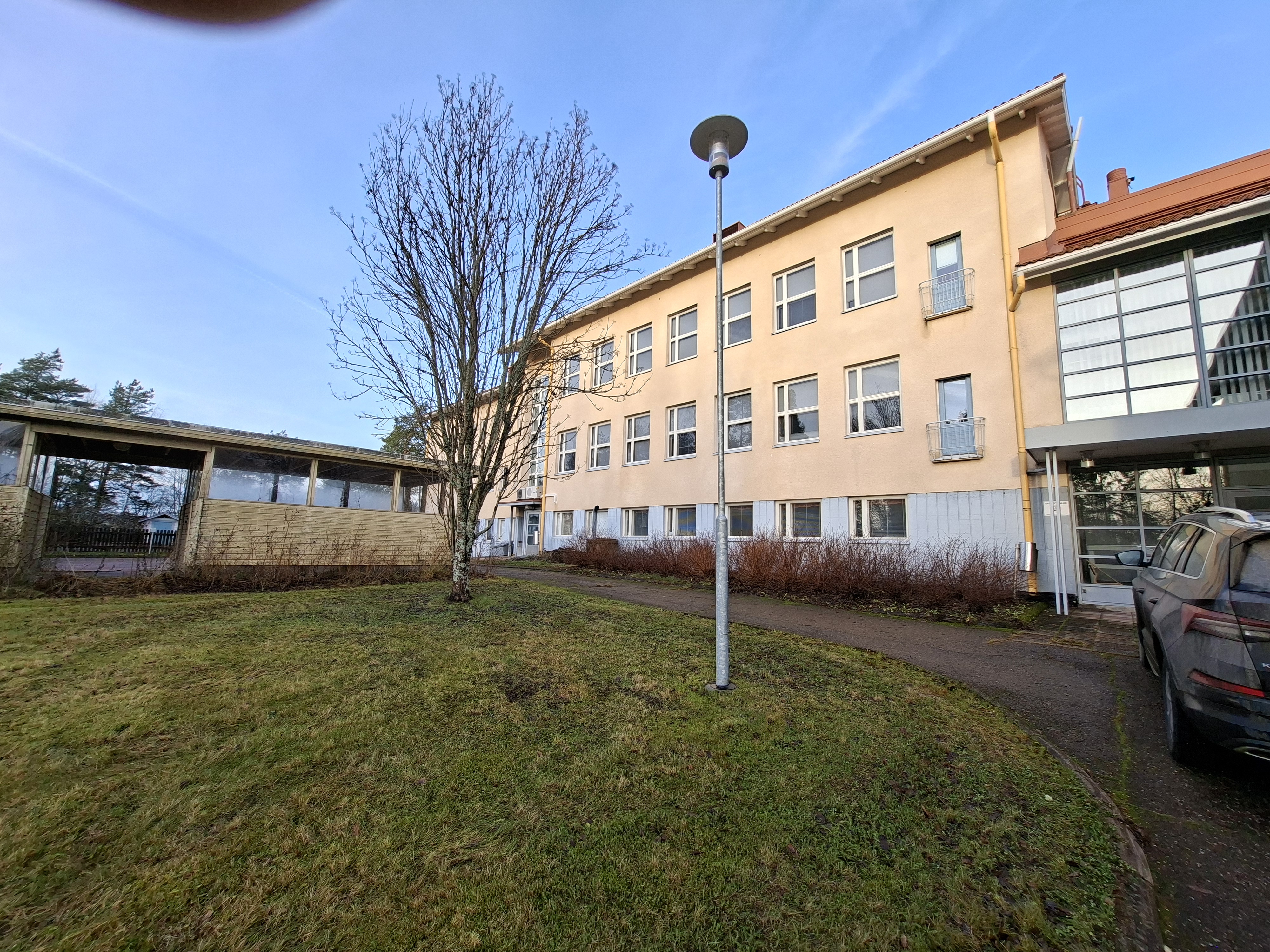
Powering down unused equipment is a smart way for schools to save on energy costs, especially during summer break when buildings can sit empty for weeks. Switching off and unplugging lights, vending machines, computers, and other standby “vampire” electricity draws can provide substantial savings.

Read more

Interior Environmental Control Strategies to Support LEED 4.1

Temporary Climate Solutions, Digital Solutions

LEED (Leadership in Energy and Environmental Design) is the most widely used rating system for green buildings and available for nearly all building types. The framework is built in the spirit of health, efficiency, and cost-savings, and is meant to advance the industry and improve the built environment for people and planet. In 2019, LEED v4.1 was released with emphasis on performance monitoring and human health factors like indoor air quality. Naturally, the state of indoor climates and the means in which we create them offer an opportunity for construction contractors and building owners.

Read more