Notice
You are now leaving Polygon Restoration's website and will be directed to another country in the group.
Do you want to proceed?
Notice
You are now leaving Polygon Restoration's website and will be directed to another country in the group.
Do you want to proceed?

Across Canada, many office and commercial buildings continue to sit vacant or underutilized. According to CBRE, Canada’s national office vacancy rate stood at approximately 18% at the end of 2025, compared to 10.9% before the pandemic. As more buildings remain partially occupied or unoccupied for extended periods, property owners, municipalities, and facility managers are facing growing pressure to reduce operating costs while still protecting building conditions and long-term asset value.
Empty buildings can quickly become expensive liabilities. Continuing to heat unoccupied spaces at full capacity can drive up operating costs, while inadequate humidity and climate management can increase the risk of mold growth, frozen pipes, moisture-related deterioration, and costly property damage. As organizations look for ways to reduce costs and support sustainability goals, many are beginning to explore smarter approaches to preserving vacant properties.
Whether it is schools, retirement homes, commercial buildings, offices, or multi-unit residential properties, maintaining a vacant building comes with ongoing expenses. Heating, utilities, insurance, maintenance, inspections, and security all continue even when a property is unoccupied, with heating often remaining one of the largest operational expenses.
In Canadian climates, winter conditions can quickly create additional concerns such as frozen pipes, condensation buildup, and water damage if buildings are not properly stabilized. Without a long-term preservation strategy in place, demolition can sometimes become the default outcome, even for buildings that remain structurally sound. While demolition may appear to be the simplest solution, it often comes with significant financial and environmental impacts. Construction and demolition activities contribute substantially to carbon emissions and material waste, while rebuilding requires additional resources, energy, and investment. In many situations, preserving an existing building while evaluating future plans can be a more practical and sustainable approach.
One approach gaining attention across Canada is climate-controlled preservation for vacant buildings. This method helps protect vacant properties by maintaining stable humidity levels and preventing moisture-related deterioration while significantly reducing energy consumption. Rather than operating a building as if it were occupied, the property is stabilized in a safe, monitored condition until long-term decisions can be made.
Vacant building preservation offers a practical middle ground between maintaining full heating in unoccupied properties and exposing buildings to the risks associated with inadequate environmental control. Using a combination of dehumidification, temporary climate control, humidity management, and remote monitoring, buildings can be stabilized safely and efficiently while reducing operating costs. Depending on the building type and preservation strategy used, organizations may be able to reduce energy consumption and operating costs by approximately 30–70% compared to maintaining traditional heating conditions in unoccupied buildings.
When a building remains unoccupied for extended periods, moisture becomes one of the biggest risks. Without proper humidity management and monitoring, fluctuations in indoor conditions can lead to mold growth, material deterioration, corrosion, indoor air quality concerns, and costly water damage issues. By monitoring and controlling building conditions remotely, property owners can reduce the risk of freezing, moisture-related deterioration, and other costly property damage before issues escalate into larger losses.
The process begins by assessing the building and determining the level of environmental control required based on the size, condition, and use of the property. Heating systems may be drained and shut down completely, or protected with glycol to prevent freezing within the system. Ventilation systems are typically turned off, and dampers are sealed to minimize uncontrolled airflow and heat loss.
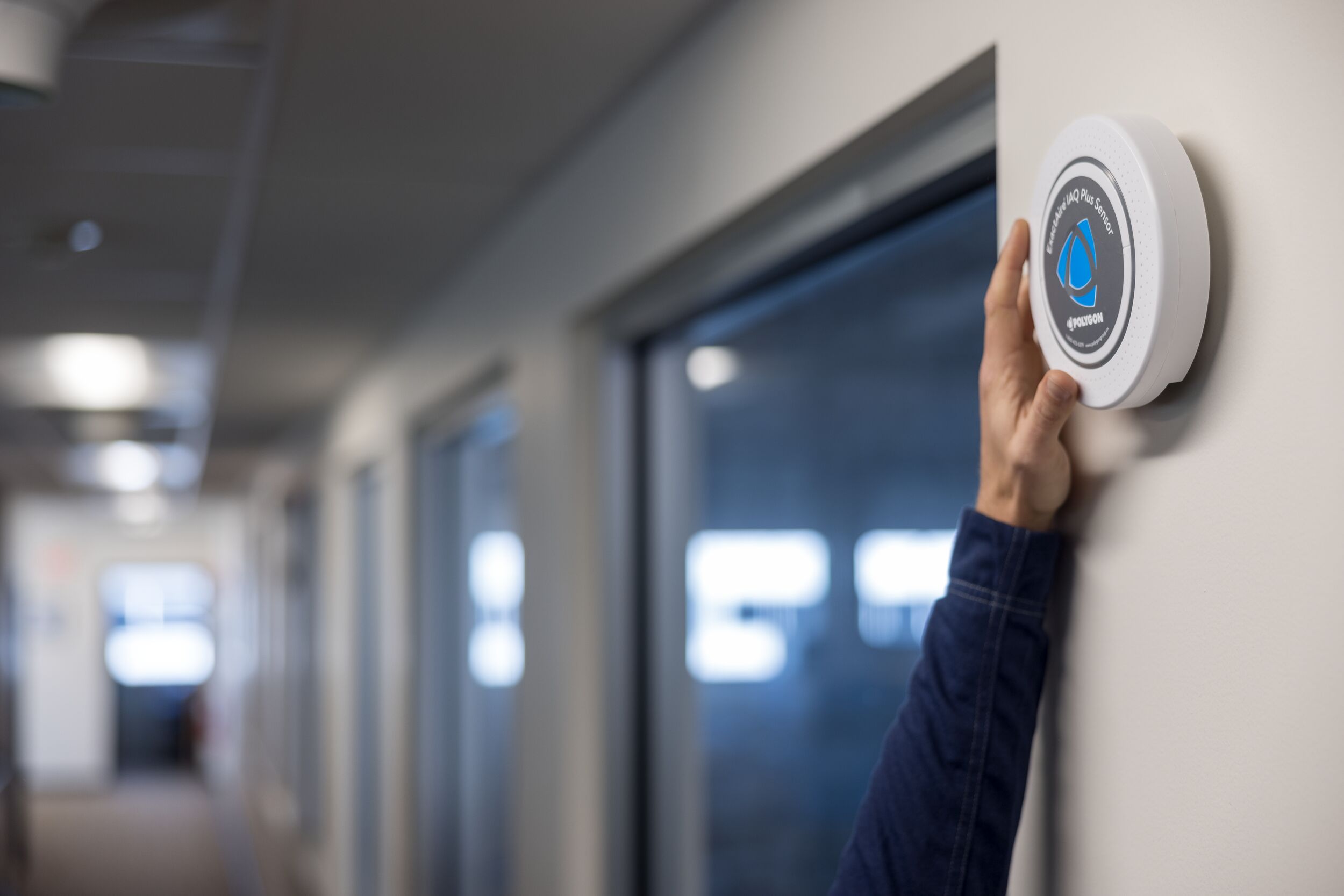
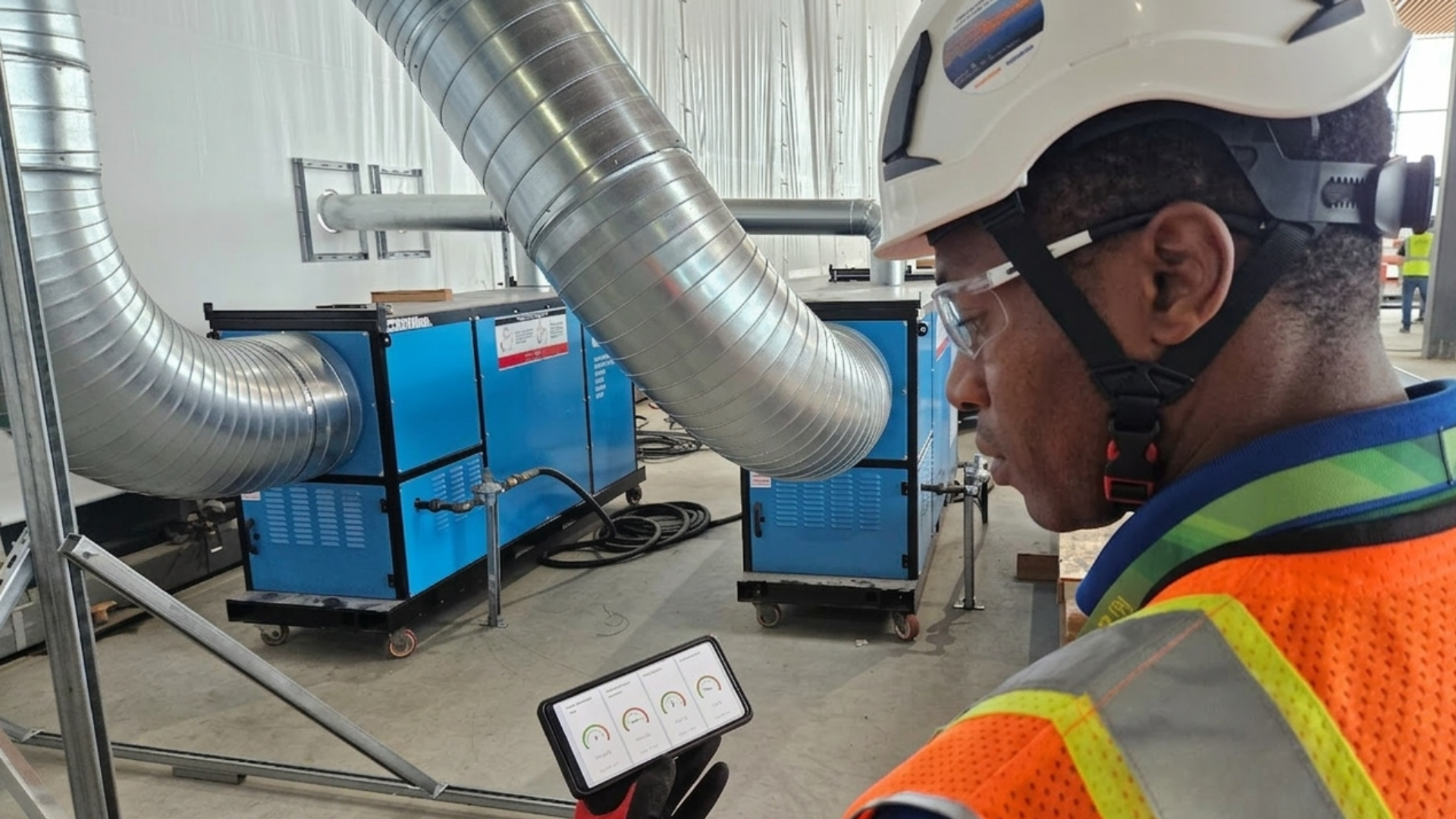
From there, dehumidification equipment is installed to maintain a controlled indoor environment. Dry air is distributed throughout the building either through temporary ducting or through the property’s existing ventilation infrastructure. Humidity levels are maintained using automated controls and monitored continuously through remote IoT sensors, providing real-time visibility into building conditions 24/7. This allows property owners and facility teams to quickly identify issues before they escalate into larger losses.
Vacant building preservation gives property owners and municipalities time. Instead of rushing into costly demolition or maintaining fully heated vacant buildings for extended periods, organizations can safely preserve assets while evaluating future redevelopment, sale, renovation, or repurposing opportunities.
The benefits can include:
As more organizations focus on sustainability, asset preservation, and operational efficiency, strategies such as dehumidification, temporary climate control, and remote environmental monitoring are becoming increasingly relevant across Canada.
Vacant properties should not automatically be viewed as liabilities or buildings waiting for demolition. In many cases, they represent valuable assets that simply need a smarter, more efficient preservation strategy. With the right combination of dehumidification systems, temporary climate control, and 24/7 remote monitoring, property owners can protect their buildings, dramatically reduce operating costs, and keep options open for future redevelopment, sale, or repurposing.
Contact our team today for a free building assessment and customized vacant building preservation plan.
Sources

Emergency call 24hr service
1 888 702-4782Send message
ca_service@polygongroup.comDirect Reaction Team
We are ready to respond on short notice to ensure that real estate and other property restored to its origins in the fastest possible way. We do a quick assessment of the damage to be able to take the right actions
Please contact us with your questions or project requirements. We look forward to assisting you.
4565 Metropolitain Est, Montreal, QC, H1R 1Z4
Tel: 514-326-0555 | Fax: 514-326-1444
24/7 Emergency
1-888-702-4782