Blog

How to Dry Wet Documents You Need to Access Quickly

Document Recovery

In the wake of a natural disaster, home or business owners may find themselves attempting to salvage water damaged documents with a hair dryer. This desperate act is not only dangerous, but it also isn’t usually successful. This begs the question, then, of how to dry wet documents.

Read

Hurricanes and Small Businesses: Avoiding Flood Damaged Documents

Document Recovery

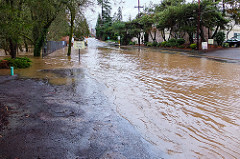
Many entrepreneurs have spent years building up a small business, only to have it wiped out by a hurricane. It’s not just that these devastating forces of nature can inflict thousands of dollars in building and property damage; rather, the biggest toll is in the lost revenue caused by the interruption in business operations. The sheer amount of time it takes to recover and reopen for business – from cleaning up flood damaged documents to replacing damaged technology – can make or break a company.

Read

Document Restoration and the Increase of Natural Disasters

Disaster Recovery, Document Recovery

It’s interesting that amid all of the chatter about the world ending in 2012, the rate of natural disasters on our planet has noticeably increased. According to the Centre for Research on the Epidemiology of Disasters, there were 385 such disasters from 2000-2009 – a 67 percent increase over the previous decade, and a 233 percent increase over the 1980s.

Read

Document Scanning Tips for Photo Slides

Document Recovery, Document Scanning

The best vaccine against damaged documents and photos is to scan and back them up digitally, before disaster strikes. That way, there’s no need to worry about a storm or flood destroying irreplaceable images or information.

Read

Understanding the Efficacy of Vacuum Freeze Drying

Document Recovery

When it comes to deciding how to dry wet documents, vacuum freeze drying is the best recognized method in the restoration industry. A vacuum freeze drying chamber blast freezes wet documents to a temperature of 0 to -20 degrees Fahrenheit, then uses precise temperature and pressure control to vaporize the ice, bypassing the melting stage. A high-tech sensor monitors the rate of weight reduction within the chamber to signal when the drying process is complete and prevent secondary damage from over-drying.

Read