Blog

Creating a Disaster Preparedness Plan – Implementation (Part III)

Disaster Preparedness

We recently discussed the Planning aspects of a Disaster Preparedness Plan for an organization, which addressed topics such as risks assessments, mitigation and completing a business impact analysis. The next installation of the “Creating a Disaster Preparedness Plan” series covers Implementation. The Implementation phase is critical, as its effectiveness determines how well an organization responds to and recovers from a disaster.

Read

Creating a Disaster Preparedness Plan – Planning (Part II)

Disaster Preparedness

The first part of the “Creating a Disaster Preparedness Plan” series discussed important first steps to take to create a disaster preparedness policy for an organization. In short, the elements discussed included creating performance goals, outlining the scope of the program, program review and development, and setting a budget.

Read

Creating a Disaster Preparedness Plan – Testing & Improving (Part IV)

Disaster Preparedness

In the previous “Creating a Disaster Preparedness Plan” post about implementation, you learned about important aspects of plan implementation such as resource management, supporting your employees, training and business continuity. Testing is vital to an organization’s preparedness plan because it reveals weaknesses, gaps in resources and other opportunities for improvement before a real event occurs.

Read

Wildfire season is here

Disaster Preparedness, Fire and Smoke Damage

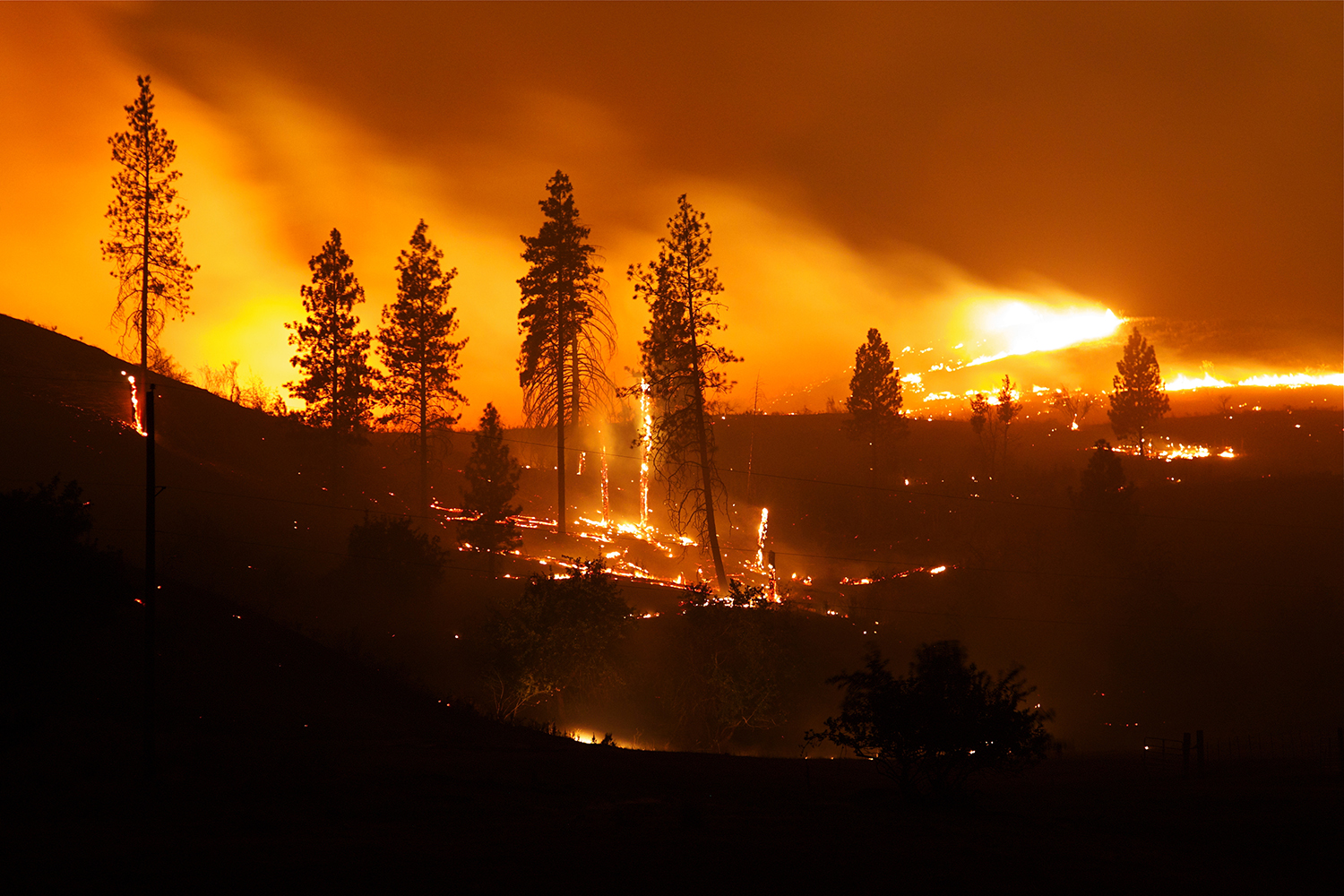
Rising temperatures and dry conditions are the perfect ingredients for summer wildfires. While they seem more common in the western parts of the U.S., a wildfire can occur in any forested area of the country. Public service announcements on TV talk about preventing forest fires, but information about what to do in the event of a wildfire is not well known. As the weather grows warmer, keep the following tips in mind regarding wildfires.

Read

Temporary Climate Control Supports the Rise of the U.S. Commercial Construction Industry [Infographic]

Disaster Preparedness

With the U.S. commercial construction industry on the rise, construction managers, now more than ever, need a way to keep projects running on schedule. This infographic highlights tips and tricks for managing humidity, extreme temperatures, and moisture with temporary climate control. Not only does temporary climate control keep projects on schedule while minimizing the negative effects of moisture, it also provides additional benefits including improved indoor air quality, accelerated paint and plaster drying, and cost reduction for concrete sealing. Read on to learn more!

Read