Blog

Dehumidifiers vs. Air Scrubbers: What’s the Difference?

Construction Drying, Temporary Climate Solutions

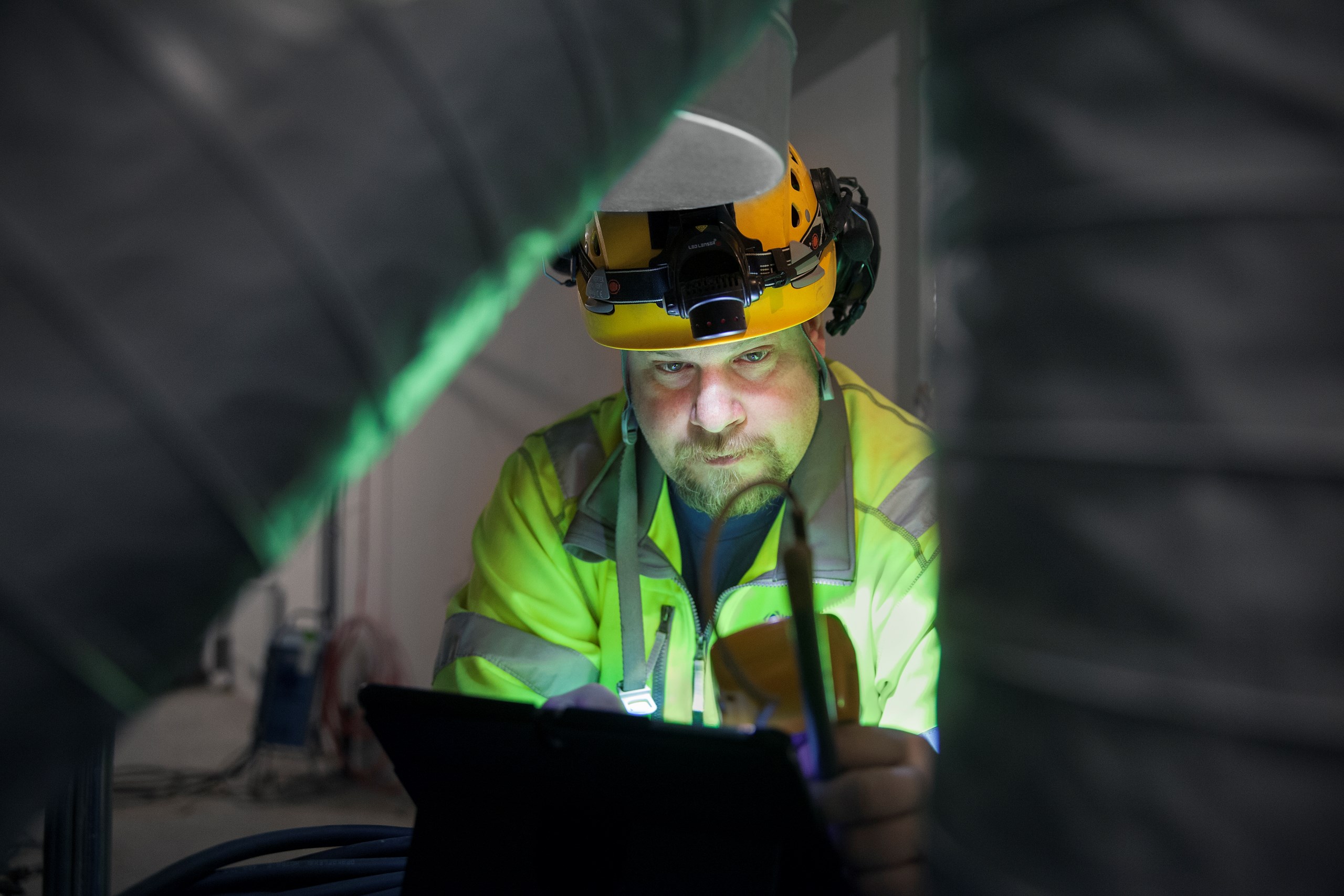
While it may seem as if they perform similar tasks, an air scrubber and commercial dehumidifier are two different types of equipment. By knowing the differences in their operations and effectiveness in various situations, you can make an educated decision about which is best for your application. When your focus is on business continuity, choosing the best equipment will reduce the time that it takes to restore an affected area and save on rental costs.

Read

How HEPA vacuums help restore documents

Document Recovery, Fire and Smoke Damage, Mold Damage, Water and Storm Damage

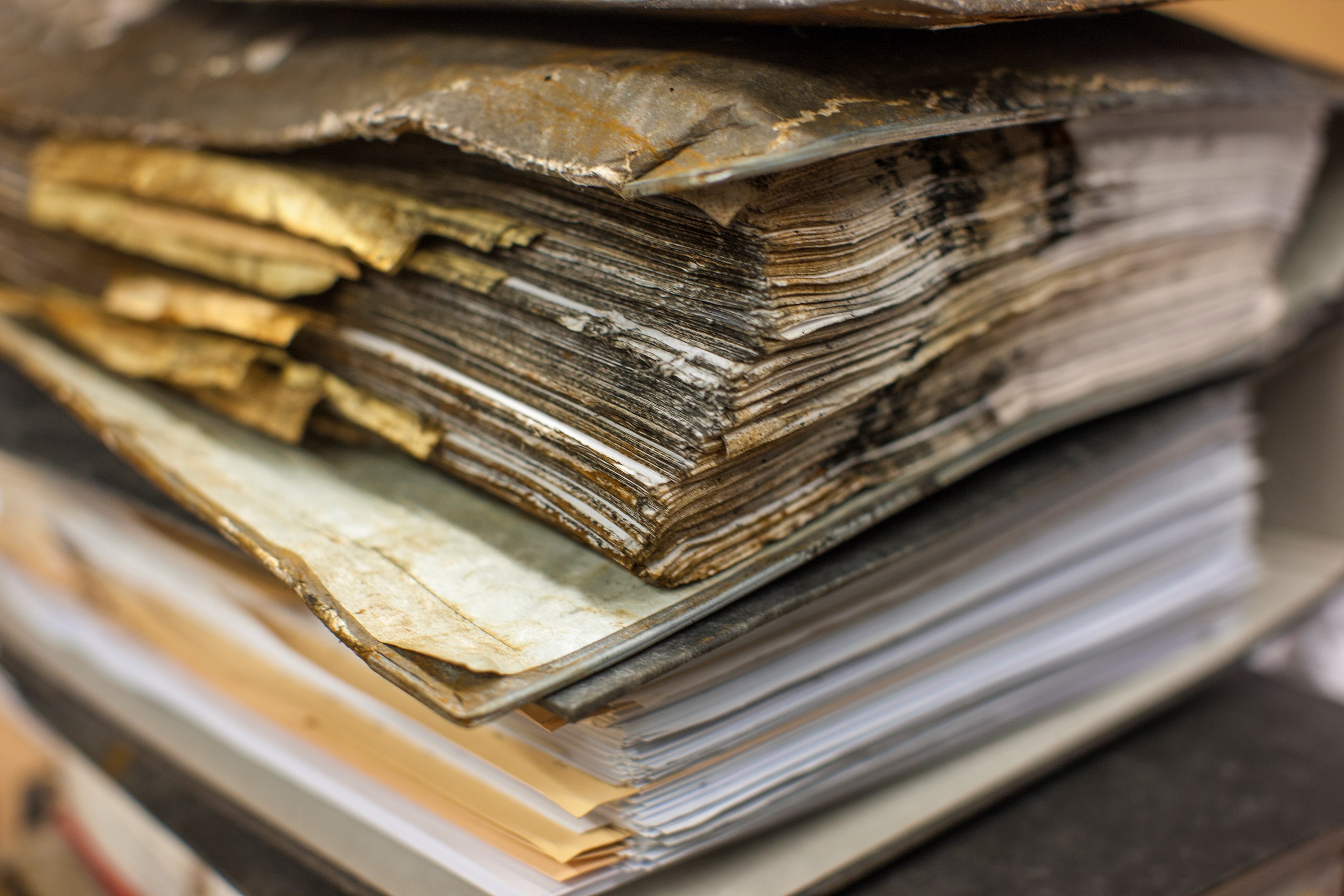
In everyday life, the public uses high-efficiency particulate arresting (HEPA) vacuums for their homes to reduce the number of allergens and irritants in the environment and improve the quality of air. In the document restoration world, professionals use them to clean documents damaged by water, mold, smoke, pollutants and other debris. At Polygon, the use of this advanced technology not only safely cleans damaged documents, it also helps remove some odors and prevents further damage.

Read

How Corrosion Can Reduce the Life Expectancy of School HVAC Systems

Temporary Climate Solutions

Corrosion causes $276 billion in damage every year and an estimated $1 trillion in indirect costs. Metal pipes, joints, tubes, vents, and towers lose structural integrity and fail simply from being exposed to water and air.

Read

Prevent Mold Illness in Schools with Summer Lay-Ups

Mold Damage, Temporary Climate Solutions, Remote Monitoring and Control, Indoor Air Quality

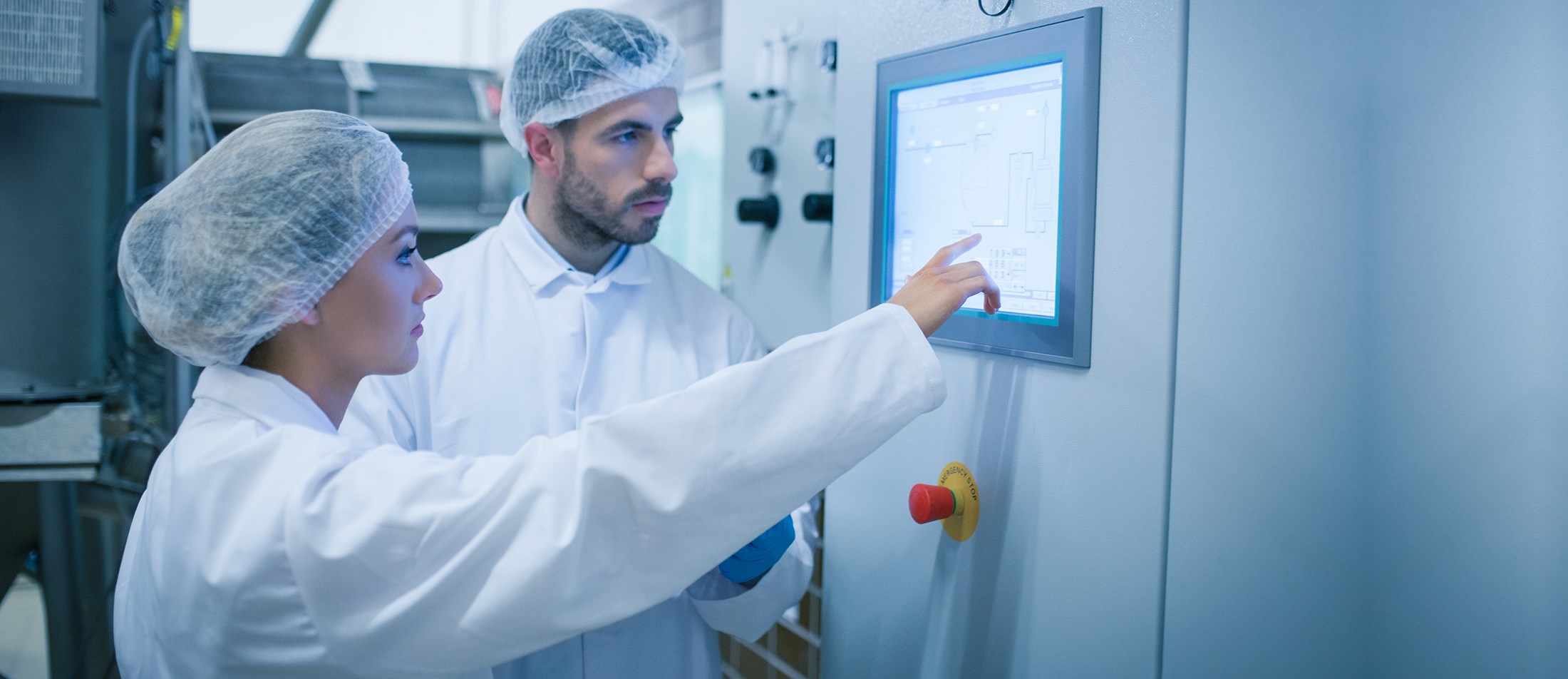
School districts across the country are often under financial pressure, and powering down unoccupied buildings during summer break is a logical way to save on energy costs. However, if important moisture control strategies aren’t implemented, powering down can end up costing the school much more – in dollars and, more importantly, in student health.

Read

The Science behind Curing a Surface Coating for Tanks

Paintings and Coatings, Temporary Climate Solutions

While some use the terms interchangeably, drying and curing are not the same. The two are distinct processes. Drying refers to the removal of water or a solvent by means of evaporation so that the final product is solid. Curing is a chemical process in which a polymer material toughens or hardens. Drying and curing happen simultaneously in several applications, like after the application of a protective surface coating on tanks. By knowing the science behind curing for surface coating applications, you’ll gain a greater understanding of how to optimize a tank surface’s ambient conditions.

Read