Blog

Document Restoration: How Businesses Rebuild After a Tornado

Disaster Recovery, Document Recovery, Document Scanning, Water and Storm Damage

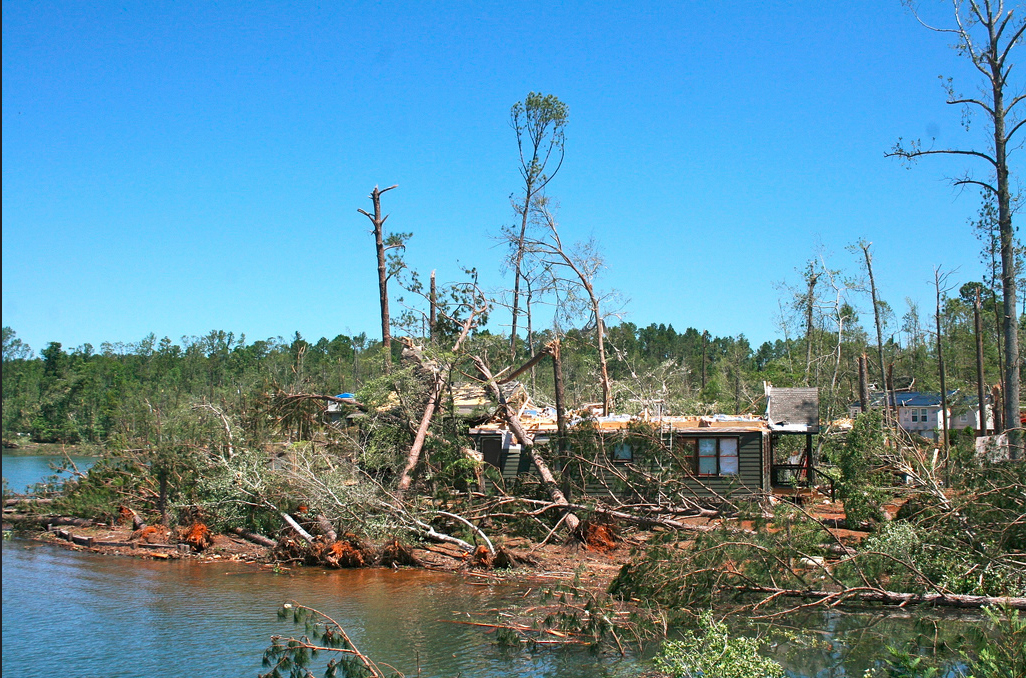
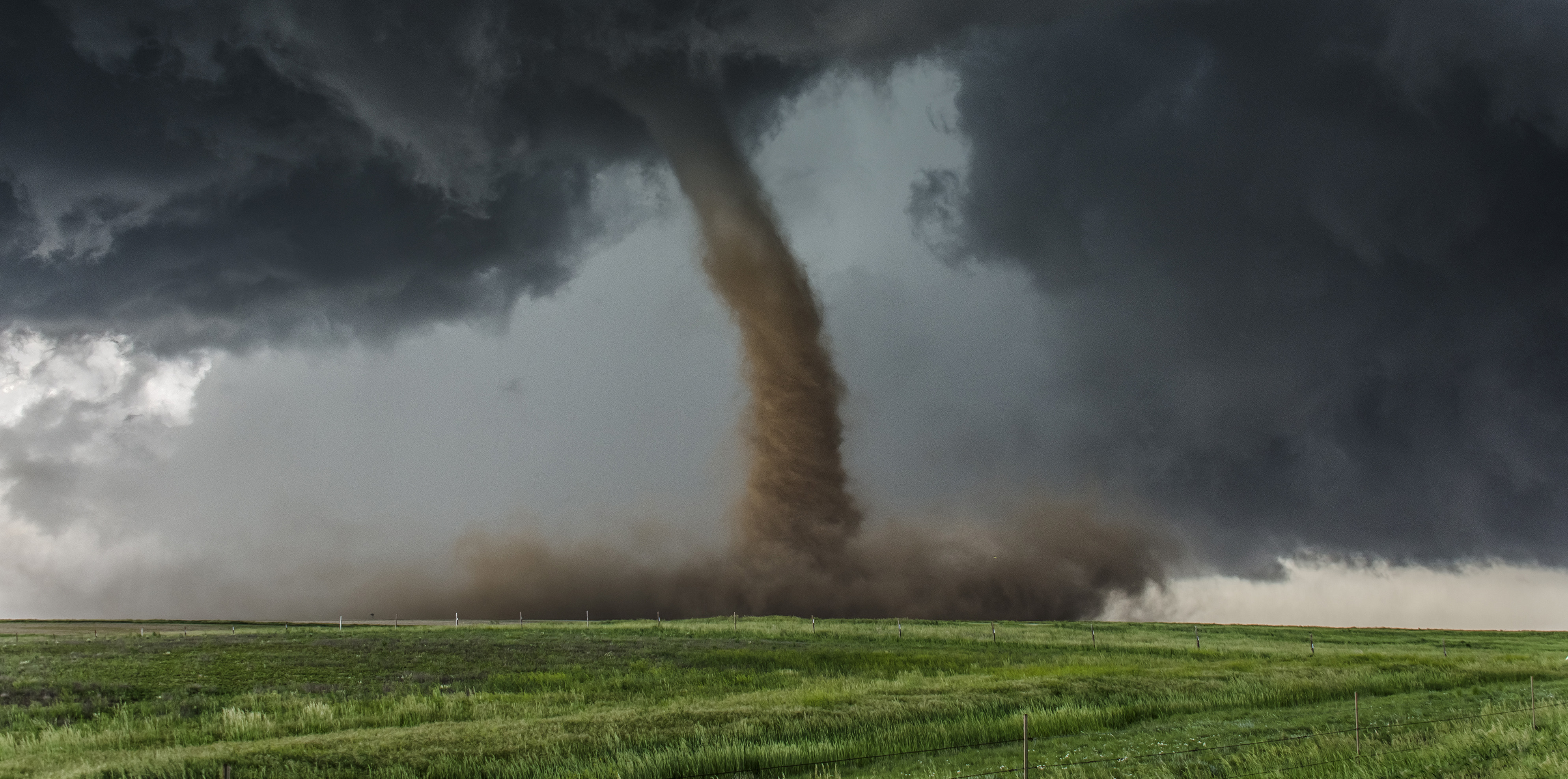
According to the National Ocean and Atmospheric Administration (NOAA), 1,000 tornadoes occur on average each year in the United States. This is a higher figure than most would think because many of these reported tornadoes are small ones that are barely mentioned on the news. However, even a small tornado can cause serious damage to your business or office building.

Read

Document Restoration Increases During Hurricane Season

Disaster Recovery, Document Recovery, Water and Storm Damage

Hurricane season has officially begun, which means it’s time for companies in affected areas to revisit their disaster recovery plans. If a company’s office location makes it vulnerable to a possible storm surge, these plans will highlight in detail what actions the staff should take, in addition to covering the specifics of how sensitive and important documents will be protected and retrieved after the disaster – usually with the help of a document restoration firm.

Read

After Water Damage Comes Mold Damaged Records

Document Recovery, Water and Storm Damage

Some things just go together – peanut butter and jelly, bacon and eggs, and cookies and milk, for instance. Of course, there are also less tasty pairings, such as water damage and mold. Damaged records can easily become more damaged if they are left in a moist area where mold can thrive.

Read

Reviewing the 2012 Hurricane Season

Water and Storm Damage

The Atlantic hurricane season runs from June 1 to Nov. 30 each year. This is when oceanic conditions are right for hurricane creation. Back in April, we reviewed scientists’ predictions that 2012 would be a calm year for hurricanes. As it turns out, 2012 was one of the most active years for hurricanes on record.

Read

Archive Preservation Water & Fire Damage

Document Recovery, Fire and Smoke Damage, Water and Storm Damage

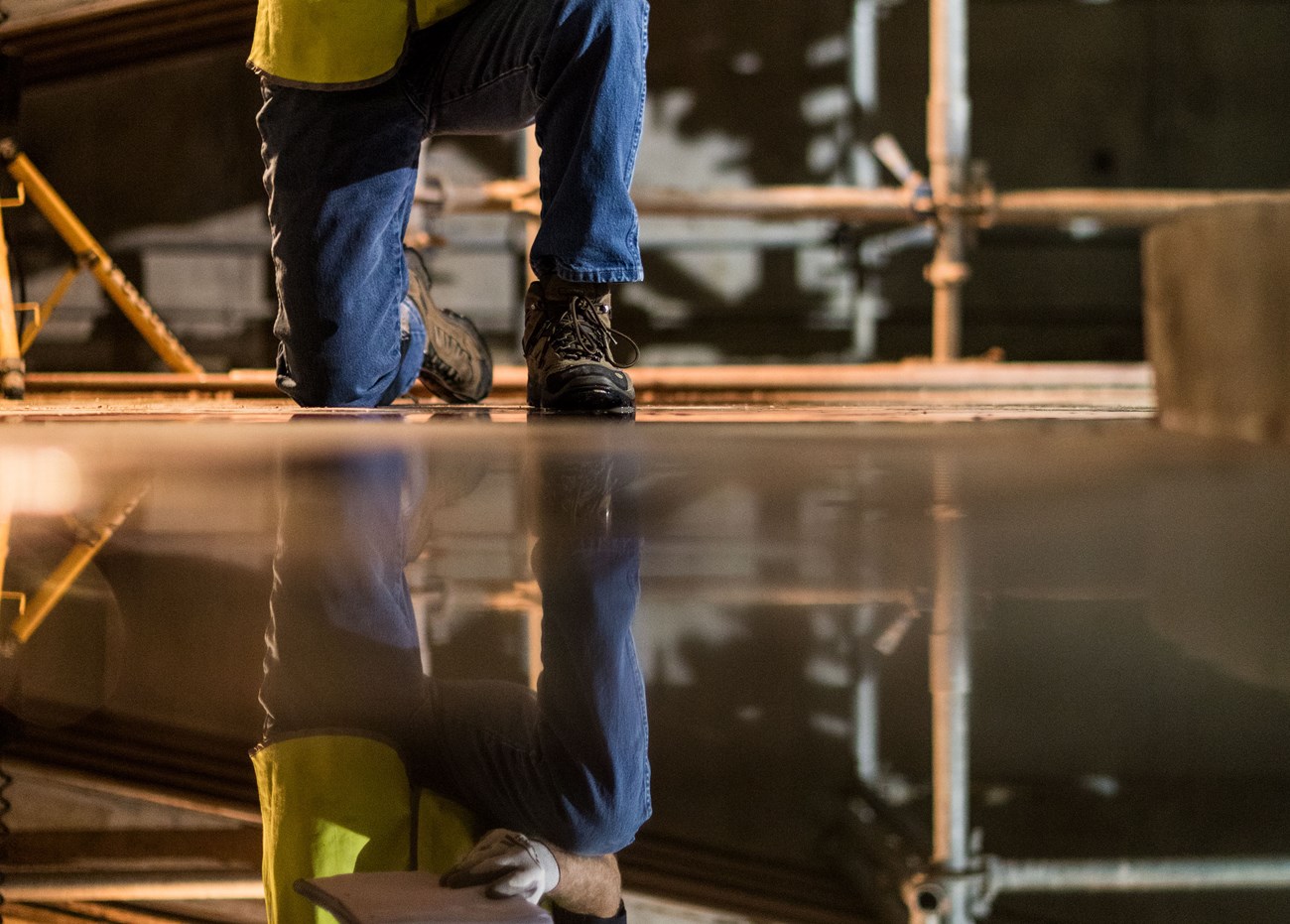
It is essential that businesses, museums, libraries, schools, and other such institutions properly store their most valuable and important business and historical archives. Imagine a world in which all documented information was lost every time an institution experienced a flood, fire, or mold outbreak! Historical texts and other valuable books and documents would never get passed down for future generations to learn from and enjoy. History would have to be constantly rewritten, and society as a whole wouldn’t have progressed as it has. The best way for institutions to prevent document and archive loss is to implement storage techniques that will protect valuable articles against such catastrophes as flood or mold outbreaks.

Read