Blog

The Science Behind Flood Damaged Microfiche and Microfilm

Document Scanning, Water and Storm Damage

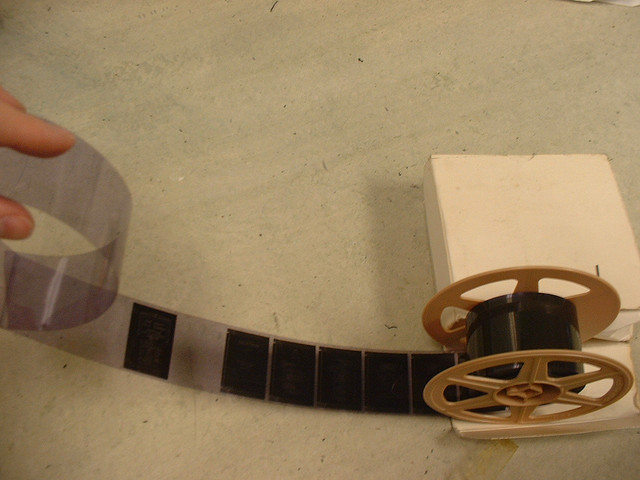
When rolls of microfilm or sheets or microfiche get wet, their base and emulsion are in danger of separating. This is when the image separates from the plastic backing. Without proper water damage restoration, moisture can spread from wet film to dry film because of the resulting humidity, which could also lead to mold damage. Film has a high susceptibility to the effects of water and moisture, and getting them to a document recovery service in a timely manner is critical.

Read

Hurricane Season: 3 Pieces of Equipment Disaster Restoration Companies Need

Catastrophe Response, Disaster Preparedness, Water and Storm Damage

After the spring storms pass, emergency drying services must prepare for the summer hurricane season. Flooding is one of the most frequent and expensive disasters that the nation endures, whether it comes from heavy rains, poor drainage, broken pipes or rising water levels. Time-sensitive restoration processes require companies to consider which essential pieces of equipment will help clients re-establish a sense of normalcy quickly and effectively.

Read

What to Consider When Choosing a Fan System for Disaster Recovery

Catastrophe Response, Disaster Recovery, Fire and Smoke Damage, Water and Storm Damage

Fans are an important component in disaster recovery equipment. After a client experiences hurricane, flood or water damage, it’s important to select a fan and damper system that can effectively assist with your recovery efforts and maximize efficiencies. By understanding how a fan system affects performance in regards to the needs of the space, you’ll have a better idea about the best fan and damper design for your project.

Read

What is Emulsion and Why Does Water Damage It?

Disaster Recovery, Document Recovery, Water and Storm Damage

Films—such as x-rays and negatives—are sensitive to temperatures, relative humidity levels and water. X-rays have a base, or plastic backing, and emulsion. The emulsion toughens under light and makes the image more durable. Unlike true emulsions, those used for films are a suspension of solid particles in a gelatin solution. When a medical facility suffers water damage that affects films, x-ray restoration is critical to preserving valuable patient information.

Read

How Commercial Dehumidifiers Help with Flood Damage

Catastrophe Response, Disaster Recovery, Water and Storm Damage

After experiencing water damage, it is crucial to dry out the affected areas within 48 hours, as this is how long it takes mold to begin growing. The longer your contents remain wet, the more likely it is to deteriorate from mold and bacterial damage. Since it’s not always practical or economical to own dehumidification equipment, a dehumidifier rental for flood damage is one of the best tools for emergency drying services.

Read