Blog

Mobile Preparedness: Using Smart Phones & Tablets to Expedite Disaster Recovery

Disaster Preparedness, Disaster Recovery

Just as you use a smartphone to receive emails and news updates, your disaster preparedness plan can go mobile, too. Your cell phone or tablet may serve as a lifeline or a way to communicate with employees, execute response plans and connect with family members during any stage of a disaster. As most mobile networks often remain active when landlines are down, you may be able to learn more about a situation using cellular data networks or available Wi-Fi hotspots. With the right preparation, mobile technology serves as an effective resource that you can integrate into a disaster preparedness plan to keep recovery efforts moving forward.

Read

5 Important Ways to Winterize Your Business

Disaster Preparedness

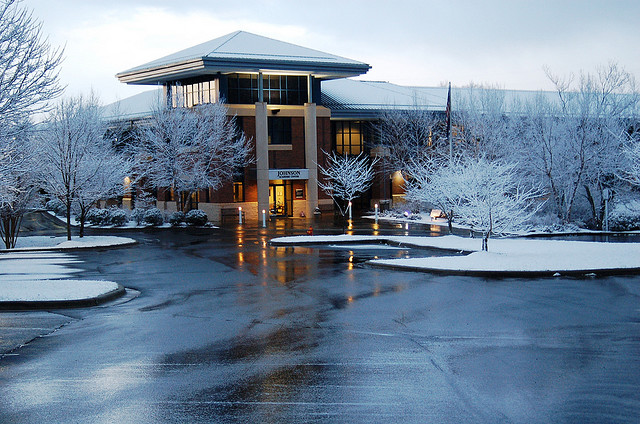
When the leaves start turning colors in the fall, it’s the perfect time to prepare you property for the upcoming winter weather before frost sets in. Winterizing your business not only makes the building more energy efficient, it helps prevent water damage to the property. The preparations also allow you fix small problems before they become expensive and time-consuming inconveniences.

Read

How to Prepare Your Supply Chain for Severe Winter Weather

Disaster Preparedness

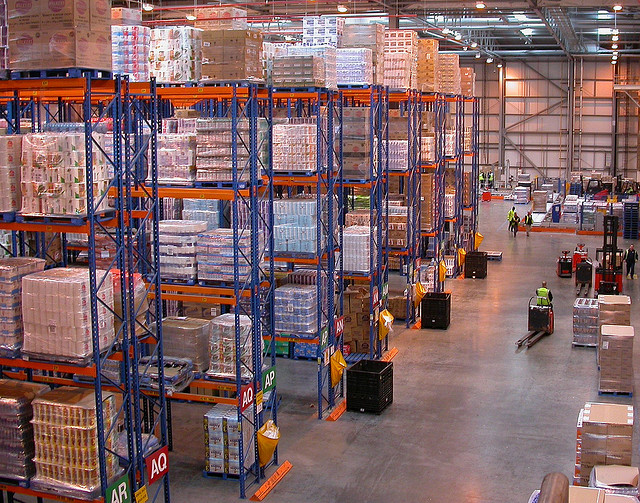
If one of your downstream suppliers suddenly had to halt deliveries for an unforeseen period, what business interruptions would your company experience? After severe winter weather, disaster recovery services can aid vendors that are frantic to resume the delivery of their goods to customers that depend on them for their own business. When you plan for the possibility of a supply chain interruption in a disaster preparedness plan, your organization can proactively mitigate losses and reduce the negative impacts.

Read

Flood Preparation Tips to Combat Winter Snowmelt

Disaster Preparedness, Water and Storm Damage

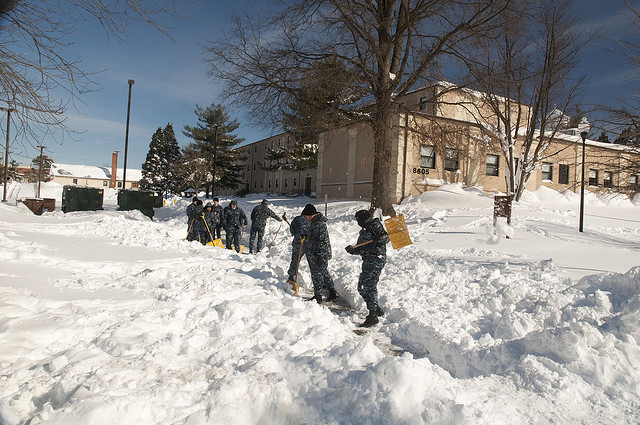
Snowmelt is an essential part of the world’s water cycle. According to the U.S. Geological Survey, up to 75 percent of the water supplies in the western U.S. come from snowmelt. While runoff from melted snow is vital to the health of water systems, locations below 7,000 feet are at risk for problems related to rapid snowmelt. Melted snow alone rarely causes flooding, although quick melts at low elevations can overwhelm water banks, requiring the need for water damage restoration. If your business is in an area that’s at risk for flooding, it’s important to prepare the property before and after snowstorms to prevent any water damage.

Read

Property Managers: Here Are 10 Disaster Preparedness Steps That Can Save You Money

Disaster Preparedness

It sometimes pays to think pessimistically when conducting a risk assessment of your properties. Is your property at risk of being damaged by a natural disaster? If so, creating a comprehensive disaster preparedness plan presents itself as a smart investment for your property. A plan will ultimately help save money and lives if the unthinkable ever happened. While the ultimate hope is that you will never need to use a preparedness plan, you will never regret taking the time to create and implement one if your property experiences a disaster.

Read