Blog

What All Museums Need to Include in a Disaster Preparation Plan

Disaster Preparedness

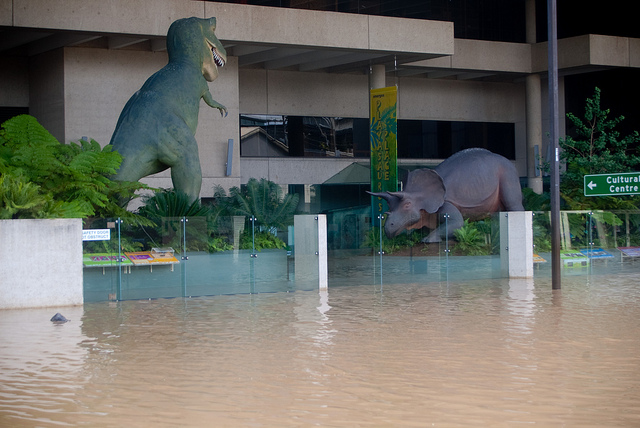
While you often can’t prevent disasters from occurring, there are steps that you can take to limit their damage. For museums, disaster preparation is essential to keeping collections safe and preventing the loss of priceless history forever. A comprehensive disaster preparedness plan will complement your disaster response efforts so document recovery can commence quickly.

Read

Protecting Municipal Water Tanks with Surface Coating

Disaster Preparedness, Paintings and Coatings

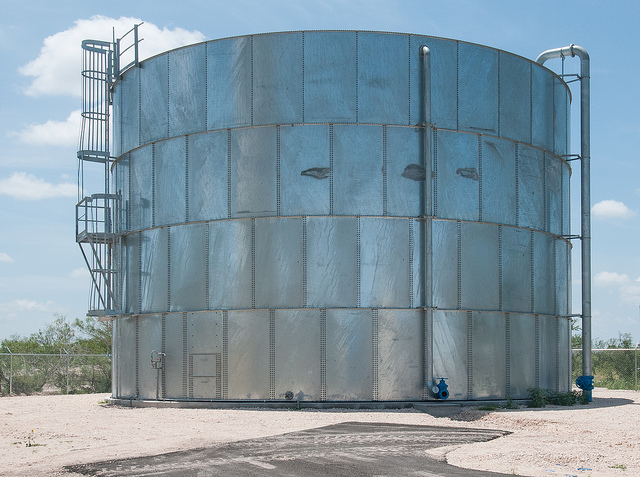
While water is essential to life, it’s one of the most destructive elements on the planet. Without the use of a water tank surface coating, the substrate in a municipal tank is vulnerable to factors such as corrosion, deterioration and nitrification. The destructive problems compromise the safety of the water within a tank and reduce the tank’s service life. Maintenance that includes the proper application of surface coatings mitigates these risks and increases a tank’s durability.

Read

3 Reasons a Building Needs Humidity Control when Fireproofing

Construction Drying, Disaster Preparedness

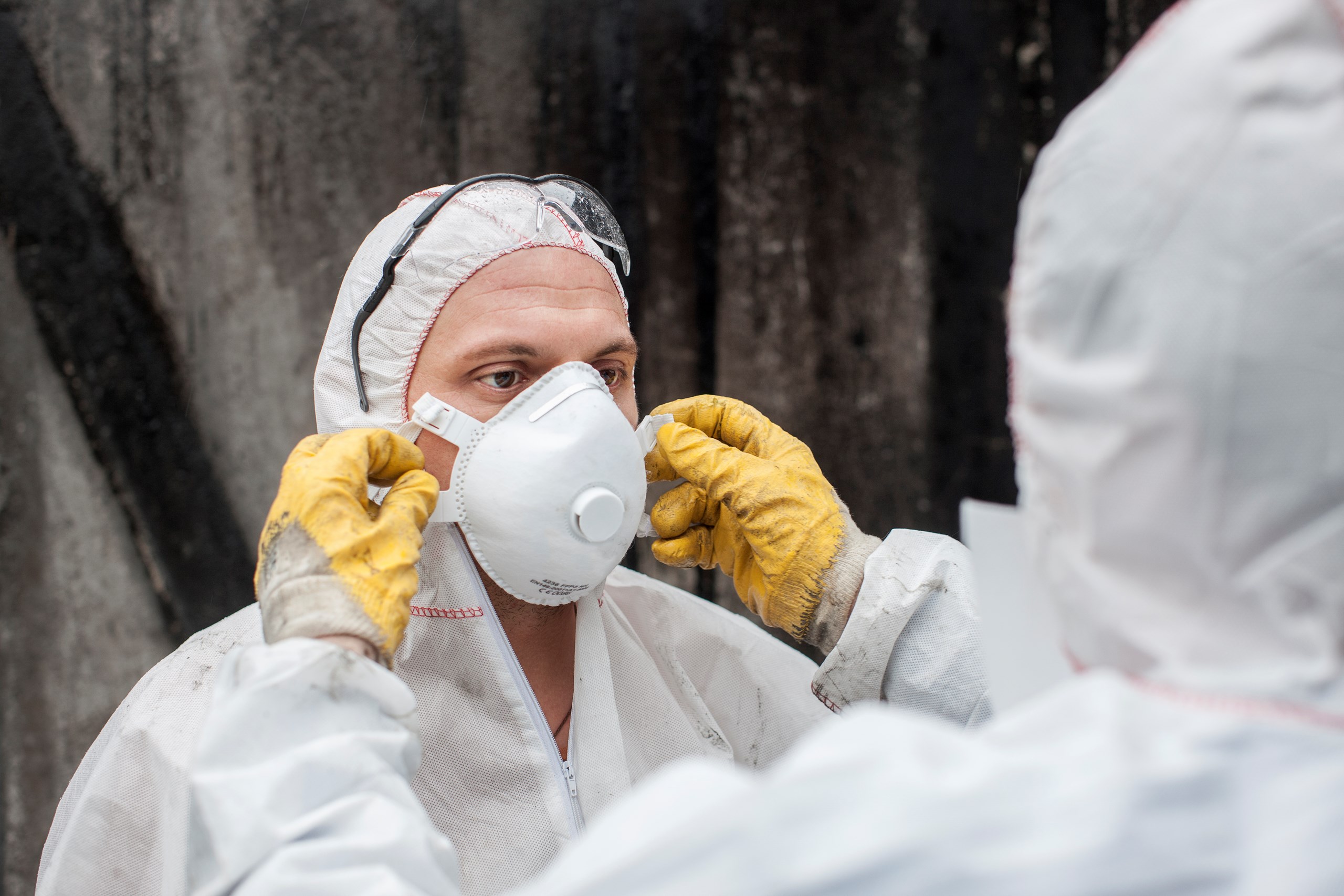
When applying a fireproof coating to structures, it is vital for the material to dry within a specific amount of time. While some fireproofing sprays contain chemical accelerators to speed hardening, they still produce a significant amount of moisture during the application process. Incidentally, the fire-resistant material may be more difficult to dry than drywall or cement. Without the right ambient conditions or construction drying services, a contractor may face delays and unintentionally create safety risks.

Read

Hurricane Season: 3 Pieces of Equipment Disaster Restoration Companies Need

Catastrophe Response, Disaster Preparedness, Water and Storm Damage

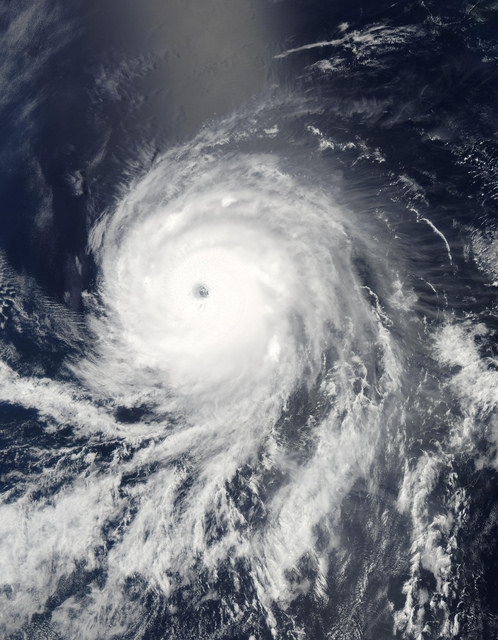
After the spring storms pass, emergency drying services must prepare for the summer hurricane season. Flooding is one of the most frequent and expensive disasters that the nation endures, whether it comes from heavy rains, poor drainage, broken pipes or rising water levels. Time-sensitive restoration processes require companies to consider which essential pieces of equipment will help clients re-establish a sense of normalcy quickly and effectively.

Read

How Remote Monitoring Services Assist Disaster Recovery Teams

Catastrophe Response, Disaster Preparedness, Disaster Recovery, Remote Monitoring and Control

After a client experiences flooding or a water-related incident, the space or items undergoing recovery procedures may need specific environmental conditions. A collection of valuable linens that experienced water damage, for example, may need low relative humidity levels and temperatures to prevent mold growth. Environmental control equipment with remote monitoring allows disaster recovery specialists to see the real-time conditions in a space, as well as check on the state of the climate control equipment throughout the duration of the project.

Read