Blog

How Fast Will Your Documents Degrade?

Catastrophe Response, Disaster Recovery, Document Recovery, Mold Damage

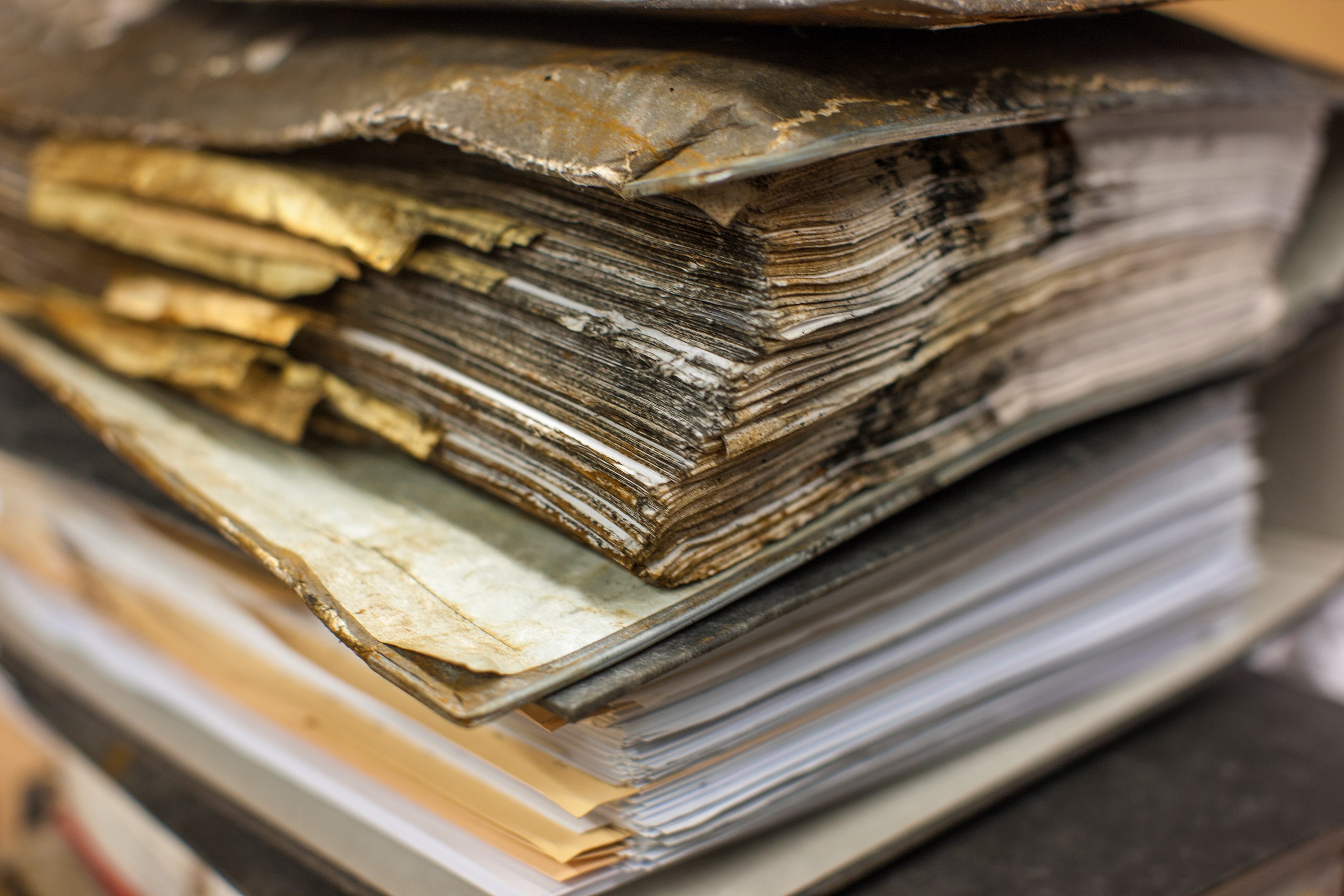
When your documents get wet, time is not on your side. It’s vital to employ document drying techniques and, depending on the extent of the damage, hire a professional document recovery service. While some professionals say that you have up to 48 hours to take action, damage begins much sooner. Factors that contribute to document damage include mold, air quality around the documents, and degradation of the storage area.

Read

Cold Storage May Be Best for Historic Photographs and Film

Disaster Preparedness, Document Recovery, Document Scanning

Each type of document has its own unique needs in regards to storage and preservation. Photographic materials are particularly challenging because of the variety of techniques used to preserve images on film and the different ways that they change with time and deteriorate. While photographic prints are more resilient, the film requires special storage and handling. Cold storage for the film is a popular preventive conservation measure that extends the life of historic film and averts the need for costly restorations.

Read

What is Emulsion and Why Does Water Damage It?

Disaster Recovery, Document Recovery, Water and Storm Damage

Films—such as x-rays and negatives—are sensitive to temperatures, relative humidity levels and water. X-rays have a base, or plastic backing, and emulsion. The emulsion toughens under light and makes the image more durable. Unlike true emulsions, those used for films are a suspension of solid particles in a gelatin solution. When a medical facility suffers water damage that affects films, x-ray restoration is critical to preserving valuable patient information.

Read

5 Document Retention Principles for Legal Firms

Catastrophe Response, Document Recovery, Document Scanning

In the face of cases like Arthur Andersen LLP v. the United States and United Corp. v. Tutu Park Ltd., it is imperative for legal firms to establish and follow a document retention policy. This type of policy outlines how a firm identifies, organizes, maintains, accesses, retains, and destroys paper and electronic documents in its everyday operations. Implementing such as policy not only enhances productivity but also ensures legislative and regulatory compliance.

Read

Tips for Document Management at Legal Firms

Disaster Preparedness, Document Recovery, Document Scanning

Document management is one of the most critical parts of a legal practice’s operations. From a practical standpoint, establishing a system enables counselors and staff to locate client files and court documents quickly. Legally, it reduces the risk of losing or damaging records that can result in liability problems for the firm, especially when a loss negatively affects a case. Creating and following record management policies and procedures regarding the organization, retention, and destruction of physical and electronic files reduces a firm’s liability and improves its short- and long-term productivity.

Read