Blog

Restoring Historic Properties to their Former Glory after a Natural Disaster

Catastrophe Response, Disaster Recovery, Document Recovery

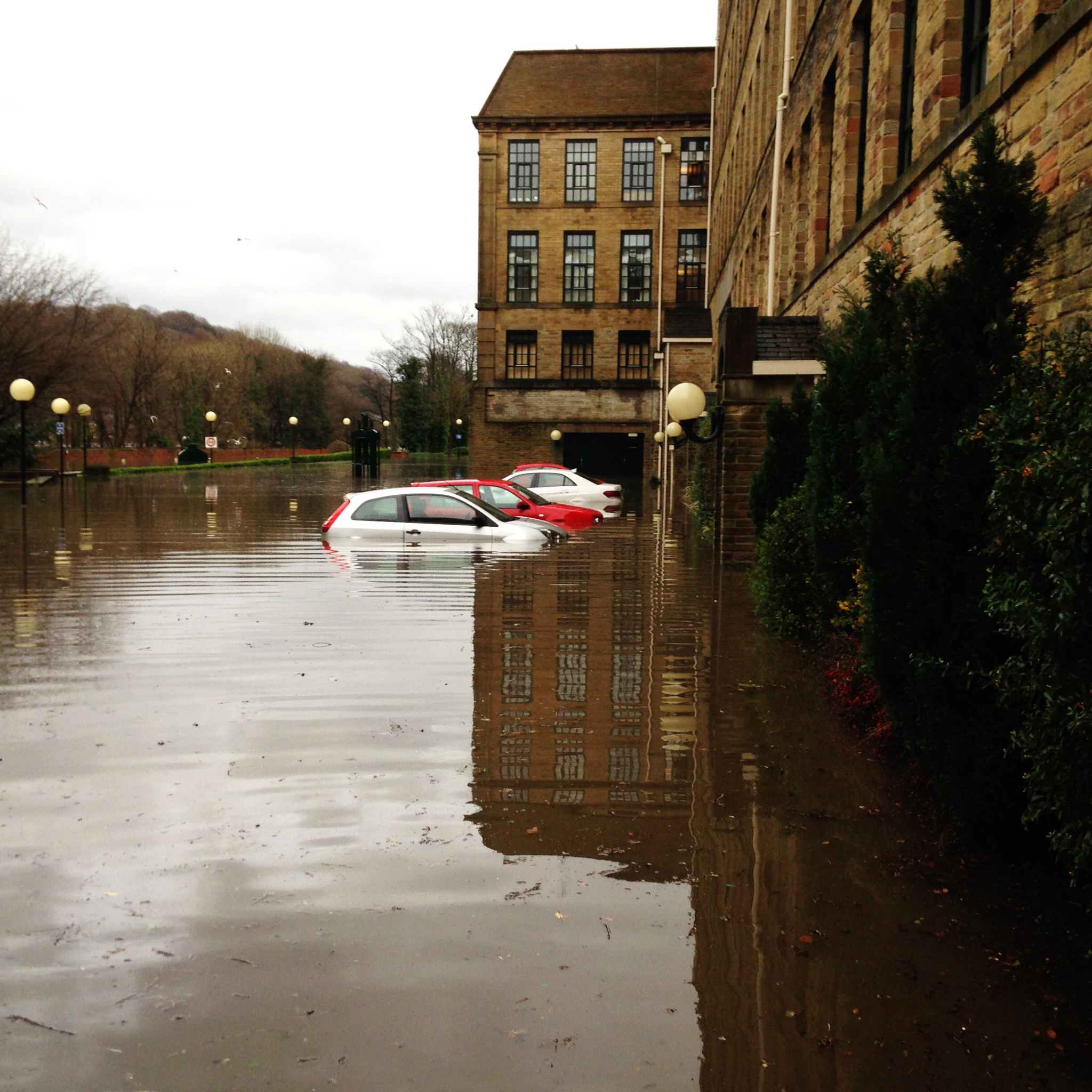
Historic properties are just as vulnerable to natural disasters as homes and commercial buildings. In addition to detailed artisanship, historic properties often store invaluable documents and art with cultural significances that may be irreplaceable if the building experiences a flood, fire or structural failure. By having a disaster plan and working with a General Services Administration-, or GSA-, certified contractor, you can salvage damaged items and minimize cultural and financial losses.

Read

How Food Processing Facilities Should Respond after Flood Damage

Catastrophe Response, Disaster Recovery, Water and Storm Damage, Food and Pharma

Eliminating excess moisture is a battle many food processing facilities face on a daily basis. When an organization experiences flood damage, time and desiccant air drying are important to prevent threats such as condensation or mold. Awareness of the effects of condensation in a facility, and what to do after experiencing flood damage, you can resume normal operations quickly and safely.

Read

Hurricane Season: 3 Pieces of Equipment Disaster Restoration Companies Need

Catastrophe Response, Disaster Preparedness, Water and Storm Damage

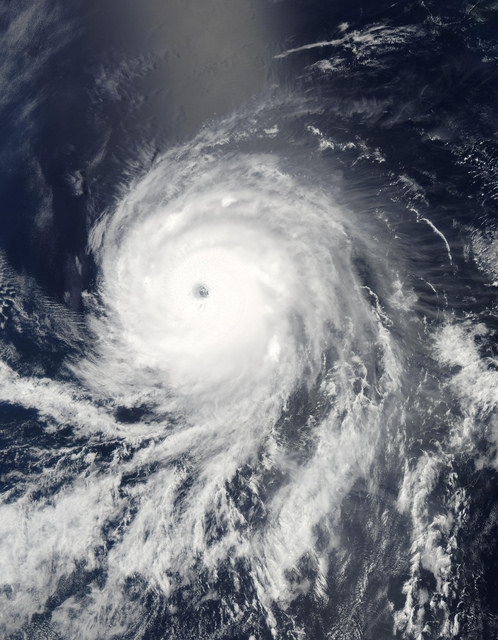
After the spring storms pass, emergency drying services must prepare for the summer hurricane season. Flooding is one of the most frequent and expensive disasters that the nation endures, whether it comes from heavy rains, poor drainage, broken pipes or rising water levels. Time-sensitive restoration processes require companies to consider which essential pieces of equipment will help clients re-establish a sense of normalcy quickly and effectively.

Read

Processes for Removing Microbes from Damaged Documents

Catastrophe Response, Disaster Recovery, Document Recovery, Mold Damage

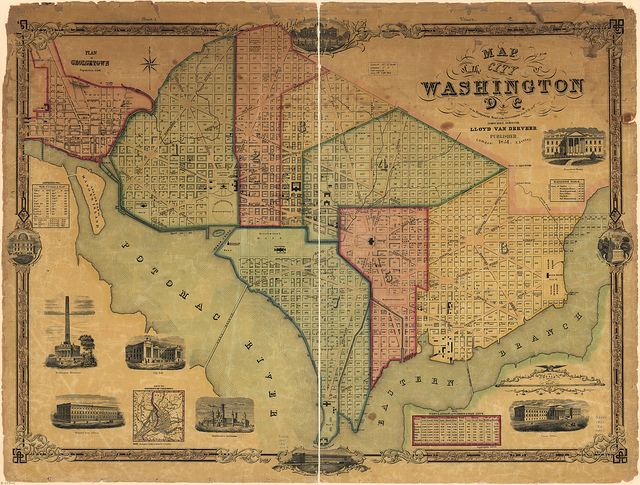
As the world goes digital, books and documents continue to hold their value as they hold vital parts of history in their pages. When documents and books receive water damage, document recovery doesn’t stop when the pages are dry. It also involves ensuring the longevity of the items in question by removing microbes. Of the microbes that may accumulate in documents and books, mold is one of the most damaging because it deteriorates paper and may spread to other documents. By taking the right steps to clean and dry documents as soon as possible, you’ll destroy and the microbes and prevent permanent damage.

Read

How Remote Monitoring Services Assist Disaster Recovery Teams

Catastrophe Response, Disaster Preparedness, Disaster Recovery, Remote Monitoring and Control

After a client experiences flooding or a water-related incident, the space or items undergoing recovery procedures may need specific environmental conditions. A collection of valuable linens that experienced water damage, for example, may need low relative humidity levels and temperatures to prevent mold growth. Environmental control equipment with remote monitoring allows disaster recovery specialists to see the real-time conditions in a space, as well as check on the state of the climate control equipment throughout the duration of the project.

Read