Blog

The Importance of Surface Coating for Crude Oil Tanks

Paintings and Coatings, Temporary Climate Solutions

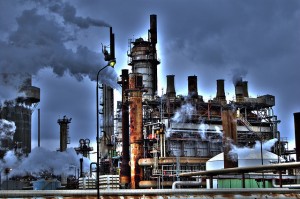
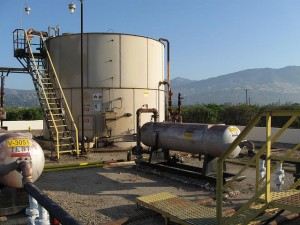
Crude oil tanks are generally made of steel. While steel offers the strength needed to hold and protect oil, it’s vulnerable to corrosion. During the manufacturing stage, modern steel tanks receive a protective surface coating to prevent corrosion. The coating, however, doesn’t last forever. It is necessary for the tanks to undergo maintenance every 5 to 10 years to reapply a surface coating to prevent corrosion, pitting and oil leaks.

Read

How Temporary Climate Solutions Help Power Plants Control Pollution

Paintings and Coatings, Temporary Climate Solutions

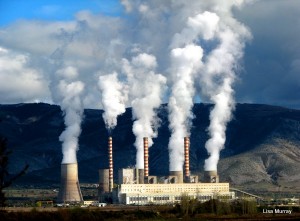
The Clean Air Act makes the Environmental Protection Agency (EPA) responsible for setting air quality standards regarding “criteria pollutants.” Among these pollutants is sulfur dioxide (SO2), a highly reactive gas that affects air quality and has the potential to cause respiratory illnesses in those exposed to it. Power plants that process fossil fuels are a primary source of SO2 emissions and other pollutants. To maintain compliance with the EPA’s SO2 designations, power plants look to temporary climate solutions and protective surface coatings to improve emission controls and prolong the life of the equipment used.

Read

How Corrosion Affects Power Plant Performance

Paintings and Coatings, Temporary Climate Solutions

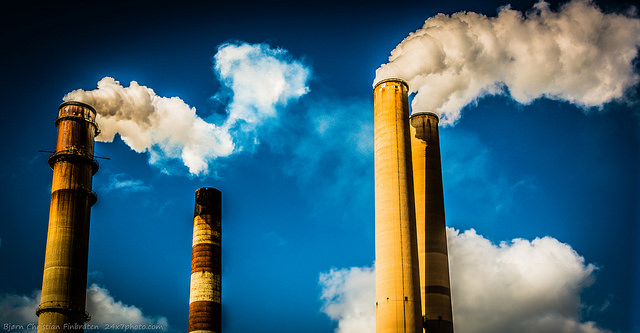
Corrosion issues in power plants prolongs maintenance, increases operating costs, reduces efficiencies and poses safety risks to workers. To optimize power-generating equipment, corrosion prevention is vital. This means ensuring the successful installation of insulation and protective coatings on items that are susceptible to corrosion.

Read

Eliminating Corrosion Issues in Different Types of Power Plants

Paintings and Coatings

Corrosion in the electricity power industry costs the U.S. over $23 billion per year. With plants looking to increase efficiencies, lower costs and reduce the amount of time offline for maintenance, corrosion prevention techniques will help lengthen the life of various components and increase safety. While many thermal power plants share the same types of corrosion issues, some require different preventive approaches.

Read

Surface Coating to Prevent Hygroscopic Salt Damage in Power Plants

Paintings and Coatings

For power plants to operate reliably, the components within it must have minimal impacts from its environment, including the air, water, fuel oil and fuel gas. In addition to controlling sulphuric acid to prevent cold-end erosion and comply with environmental laws, plants must consider hygroscopic salt damage and its deliquescent properties. While hygroscopic salts are integral to the inner workings of a plant, the corrosion that it causes will shorten a station’s life if the components don’t have an appropriate surface coating.

Read