Blog

Concrete Pavement Technology Keeps America Moving

Construction Drying

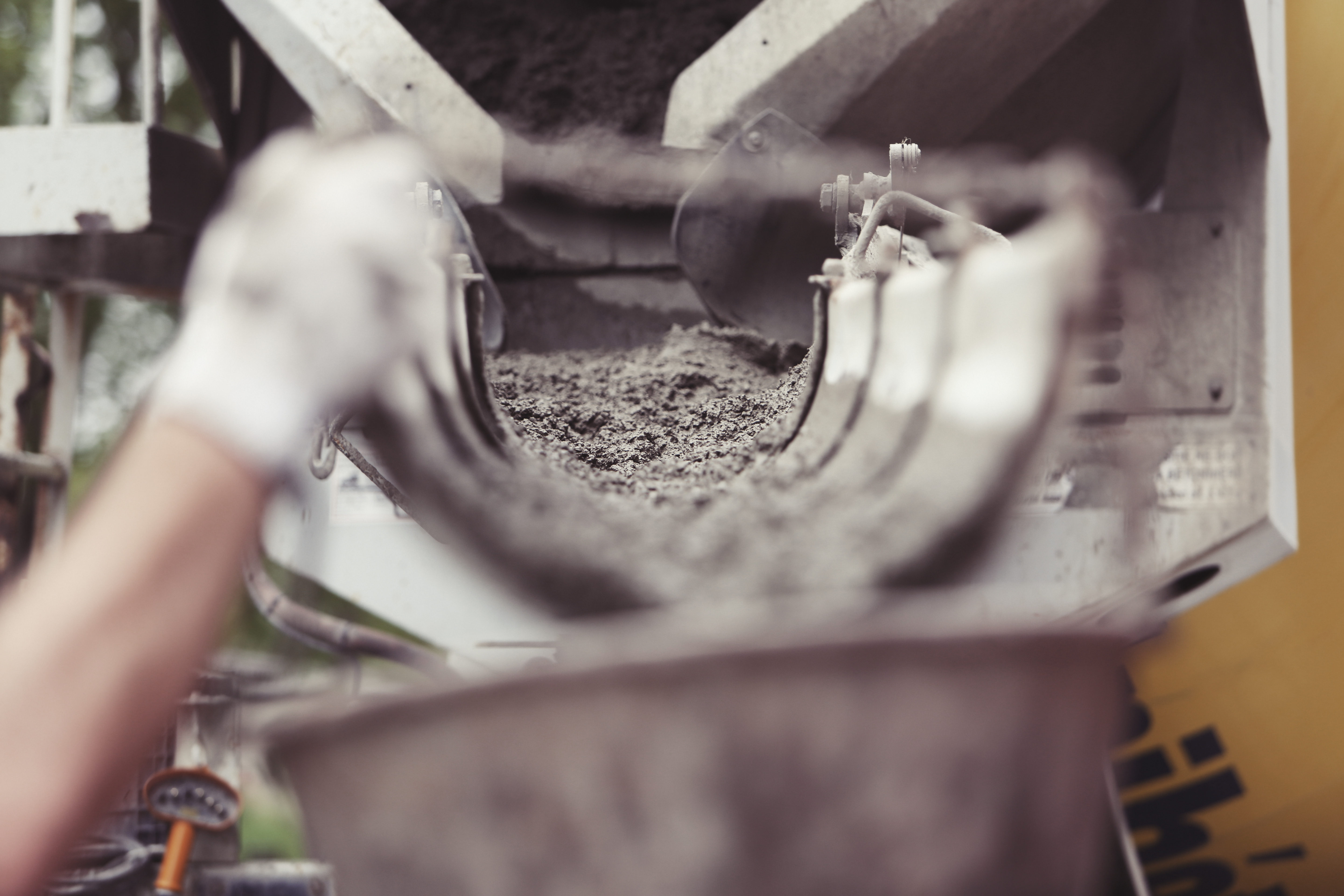
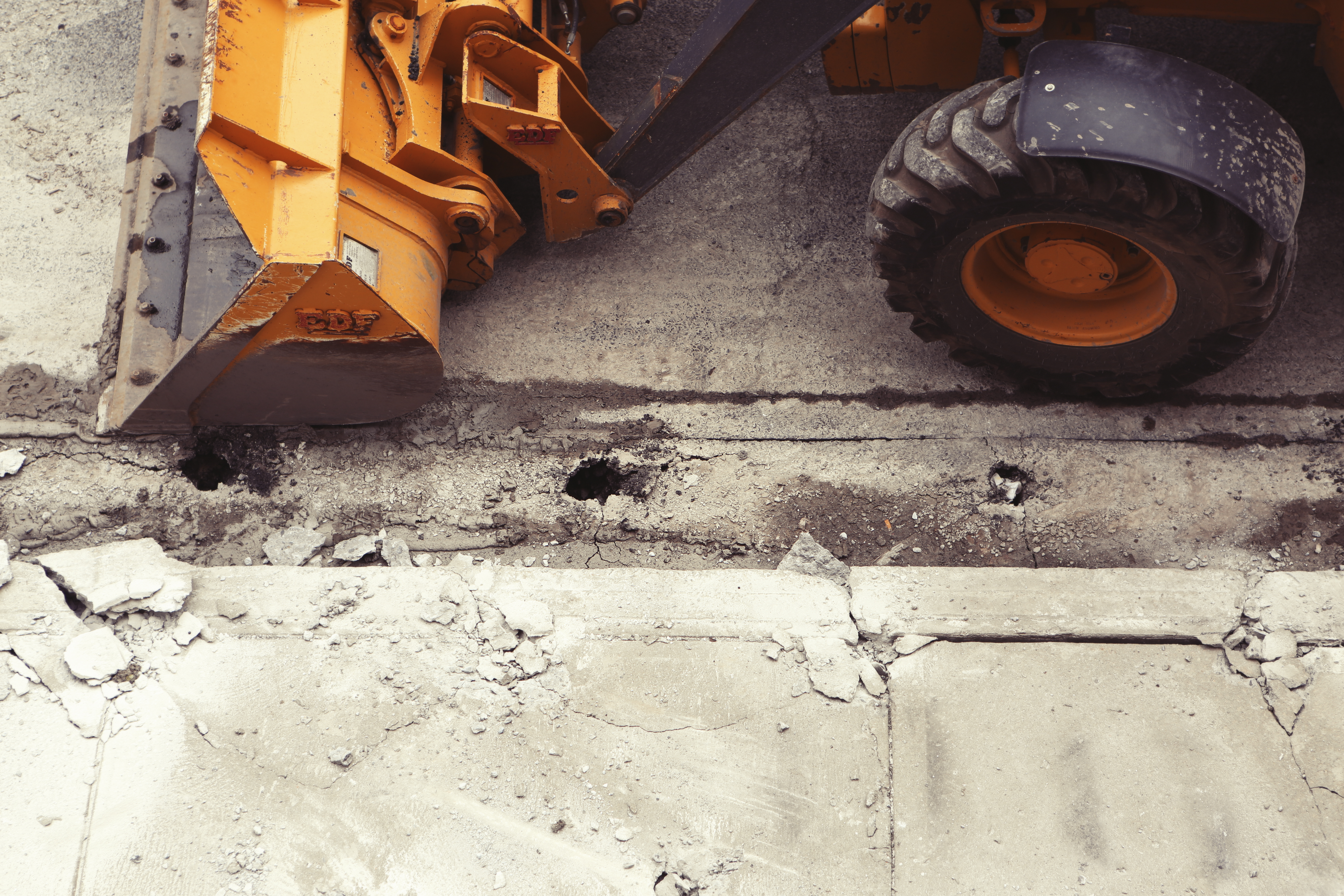
One of the simplest things to take for granted when traveling is the concrete beneath the tires. Throughout the last century, concrete has played a major role in the United States’ transportation systems, from creating new roads to repairing existing highways. The country’s highway system, including its nearly-45,000-mile interstate system, carries about 40 percent of total traffic. This figure includes 90 percent of tourist traffic and 70 percent of commercial traffic. Pairing concrete preparation with construction drying solutions is crucial to the nation’s transit infrastructure as it improves a road’s safety and minimizes disruptions to traffic.

Read

How Construction Drying Services Can Help Keep Wood’s Integrity

Construction Drying, Water and Storm Damage

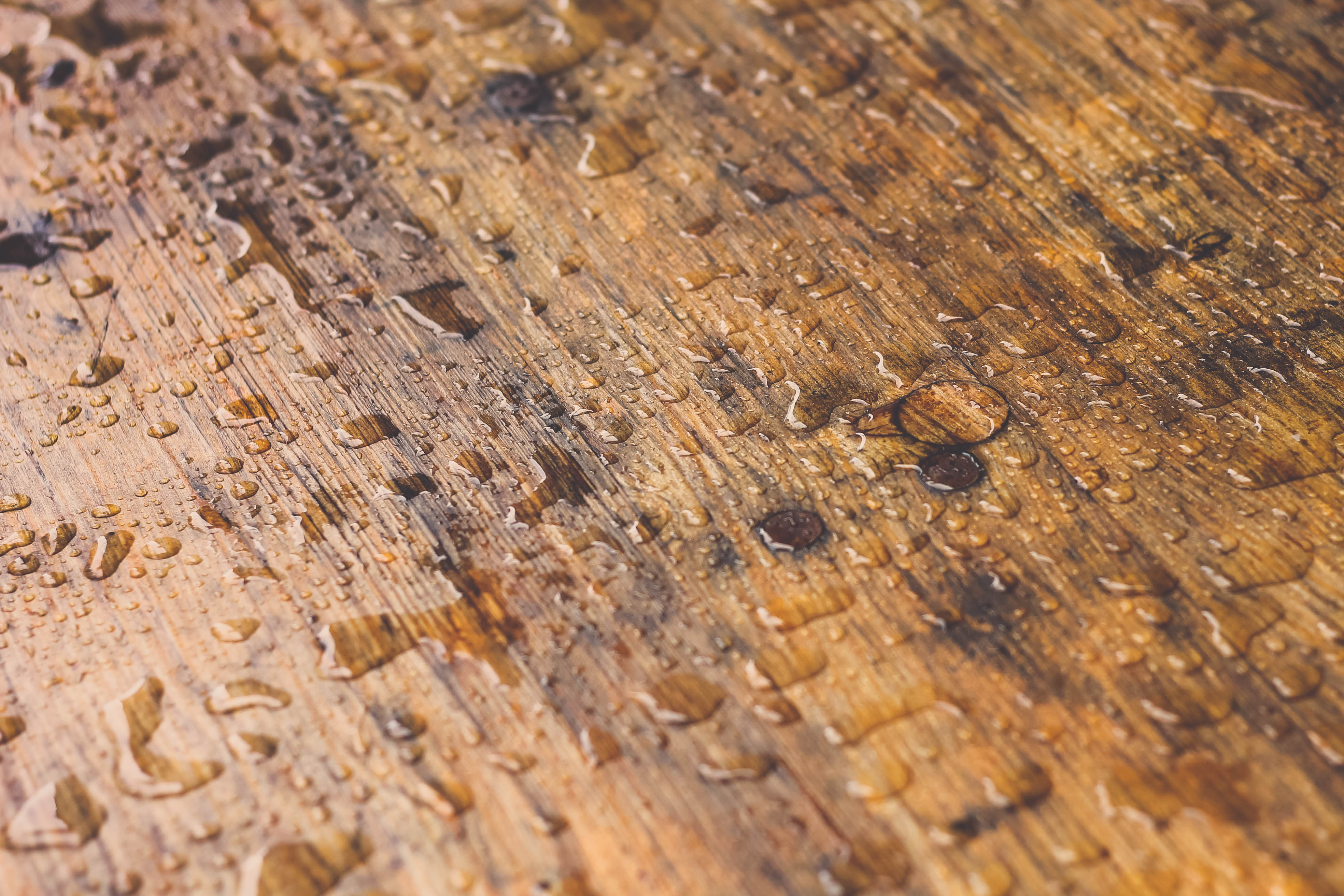
When you’re on a deadline, you can’t always wait for wood to season. After you cut lumber to the precise measurements required, it could still expand or contract, depending on the moisture levels and temperatures in the environment. Specialists refer to this phenomenon as equilibrium moisture content, or EMC. By implementing construction drying solution throughout a project, you’ll prevent EMC-related changes and the headaches that follow.

Read

Is Dehumidification or Heat Better in Construction Drying?

Construction Drying, Temporary Climate Solutions

From concrete to wallboard to millwork, materials used to construct buildings absorb moisture. While a small amount of moisture is necessary for materials to cure properly and prevent cracking or distortion, excess amounts pose a variety of risks, including project delays, adhesive and coating failures, and mold growth. To prevent and combat moisture-related problems, contractors look to temporary climate solutions, such as heaters and dehumidifiers. By knowing which process is better for your application, your moisture control efforts will be more effective.

Read

How Commercial Construction Drying Can Help after a Flood

Construction Drying

Water is unpredictable. It can soothe you in a warm bath or damage a building when a natural disaster strikes or a pipe bursts. Because flooding and water damage are not always preventable, it is good to know what drying options exist so you can choose the appropriate construction drying solutions for your needs.

Read

How to Keep Mold out of Construction Sites during the Winter

Construction Drying

A little moisture at a construction site can turn into a big problem. Not only does moisture cause project delays, but it also invites the growth and spread of mold spores that can compromise a building’s structural integrity and the health of its occupants. To combat the persistently damp conditions during the winter, contractors look to construction drying solutions to stay on track, save costs and ensure that mold does not thrive within the building materials.

Read