Blog

2014 Atlantic Hurricane Season Outlook

Disaster Preparedness, Water and Storm Damage

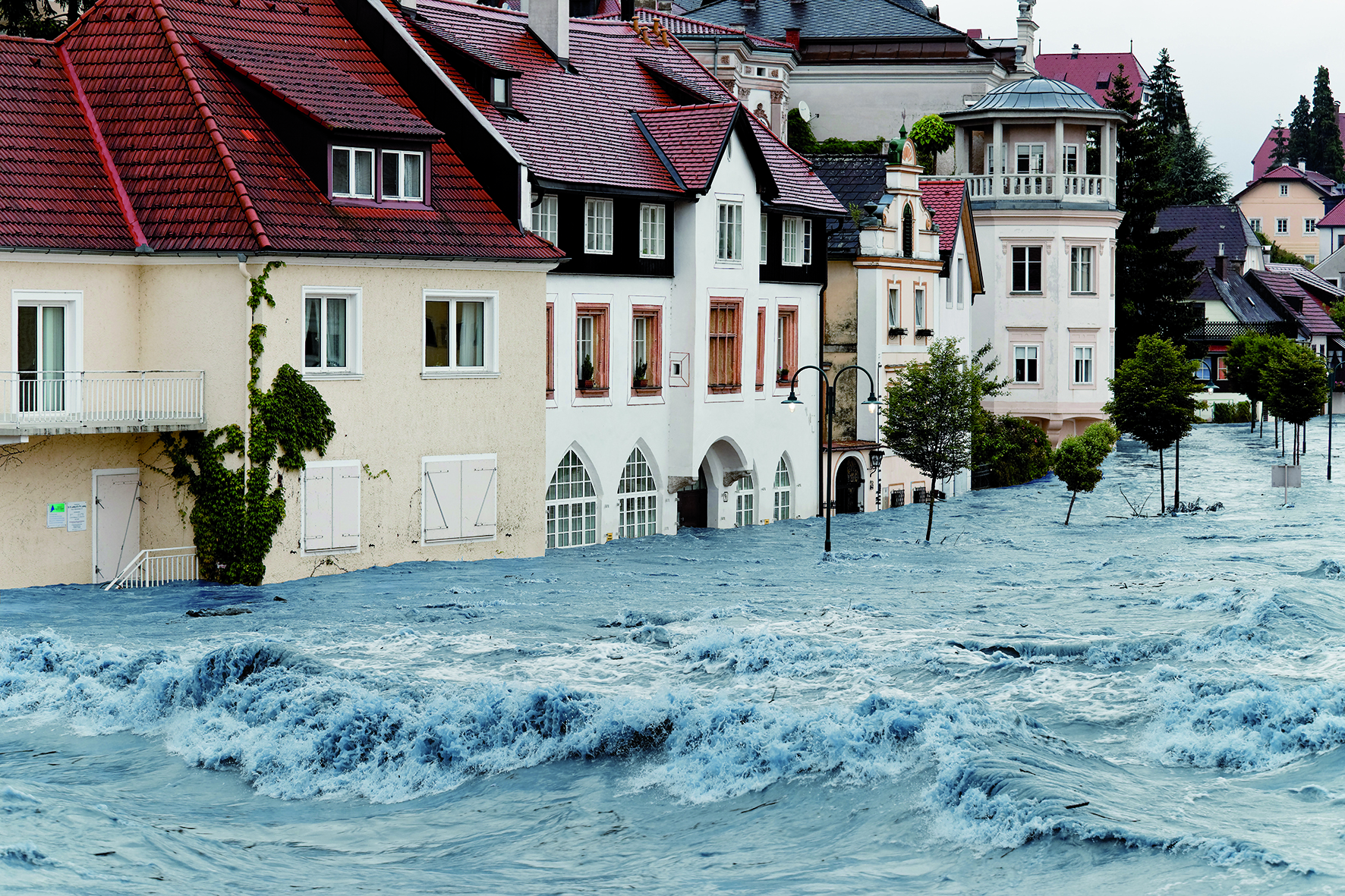
Hurricane season is well underway and one tropical cyclone—Hurricane Arthur—already made landfall in the United States. Meteorologists originally predicted a more active hurricane season for 2014, but eight of the nine named tropical storms that have passed through the country’s southeastern waters have not developed into hurricanes. With a slow start to hurricane season, disaster recovery companies warn businesses that they should keep their preparedness plans updated as there is still a lot of time remaining in the 2014 season, which ends November 30.

Read

How to Protect Critical Business Documents from Natural Disaster

Disaster Preparedness, Document Recovery, Water and Storm Damage

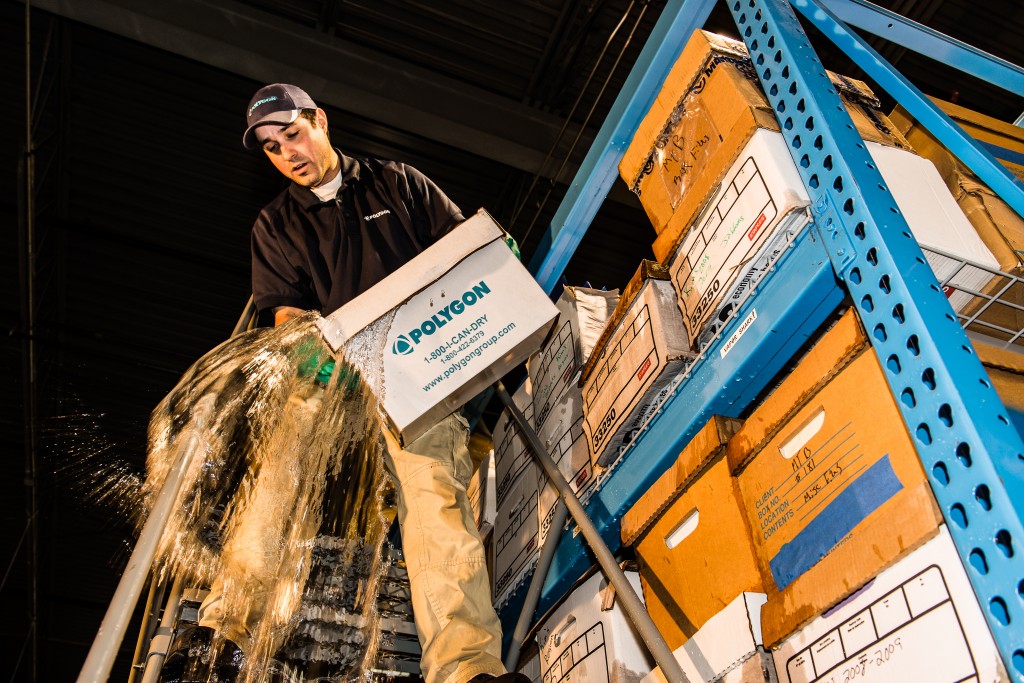
One of the greatest losses that a company can experience is damage to it physical documents. Salvaging these assets after a natural disaster often requires immediate assistance from professional document recovery services so you don’t experience more delays than necessary to resume normal business operations. By taking a proactive approach with mitigation strategies, you can prevent the loss of important business records and avoid the need for natural disaster document recovery.

Read

Water Damage Tips for Property Managers

Disaster Recovery, Water and Storm Damage

From leaky plumbing to poorly sealed windows, water damage can quickly diminish the value of your rental properties and pose health hazards to your tenants. Even minor damage can result in expensive property damage restoration. Your properties are sound investments and mitigating water damage goes a long way toward maintaining the wellbeing of your property, business, and tenants.

Read

Flood Preparation Tips to Combat Winter Snowmelt

Disaster Preparedness, Water and Storm Damage

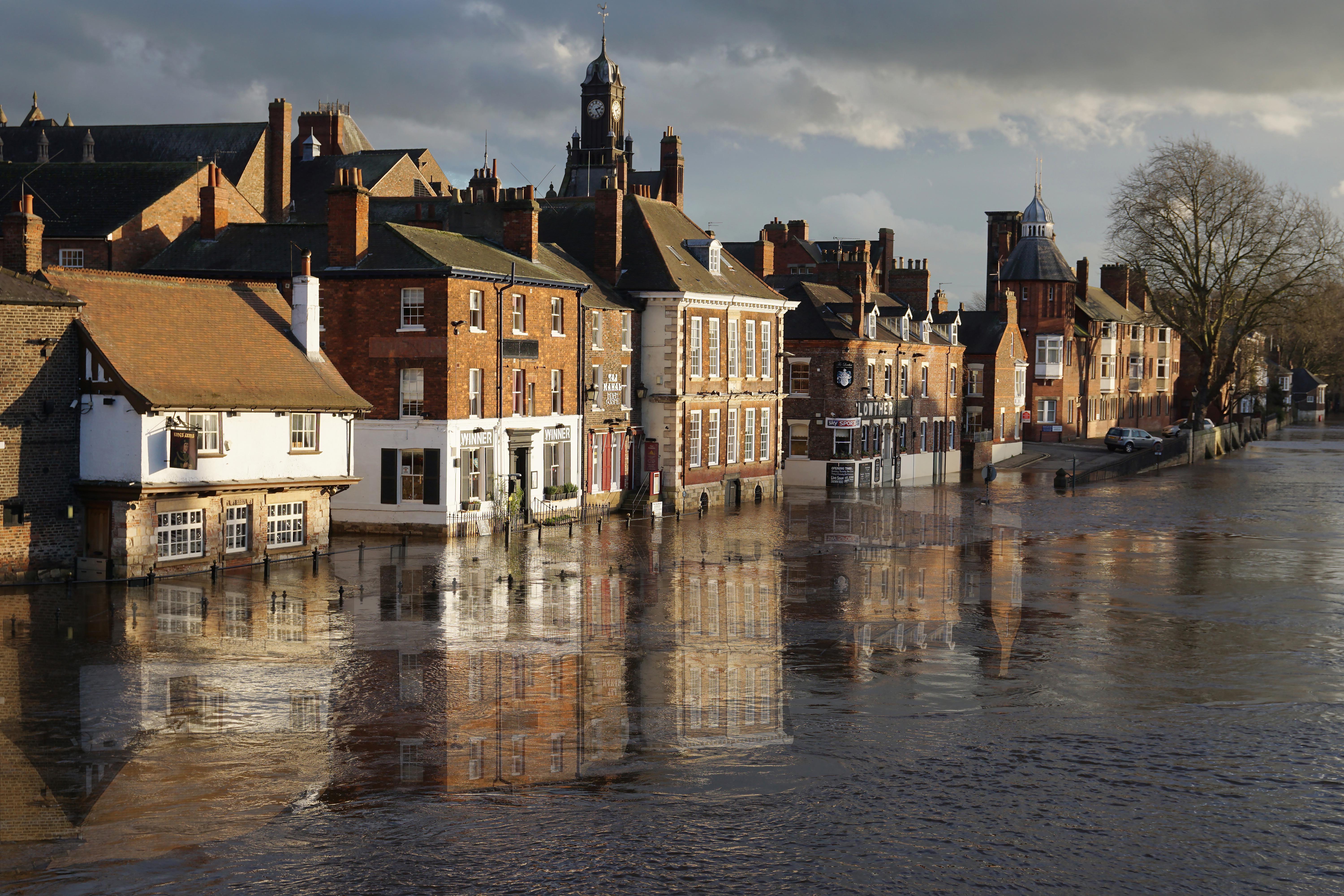
Snowmelt is an essential part of the world’s water cycle. According to the U.S. Geological Survey, up to 75 percent of the water supplies in the western U.S. come from snowmelt. While runoff from melted snow is vital to the health of water systems, locations below 7,000 feet are at risk for problems related to rapid snowmelt. Melted snow alone rarely causes flooding, although quick melts at low elevations can overwhelm water banks, requiring the need for water damage restoration. If your business is in an area that’s at risk for flooding, it’s important to prepare the property before and after snowstorms to prevent any water damage.

Read

How Food Processing Facilities Should Respond after Flood Damage

Catastrophe Response, Disaster Recovery, Water and Storm Damage, Food and Pharma

Eliminating excess moisture is a battle many food processing facilities face on a daily basis. When an organization experiences flood damage, time and desiccant air drying are important to prevent threats such as condensation or mold. Awareness of the effects of condensation in a facility, and what to do after experiencing flood damage, you can resume normal operations quickly and safely.

Read