Blog

Top Causes of Flood Damaged Documents

Document Recovery, Water and Storm Damage

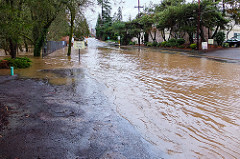
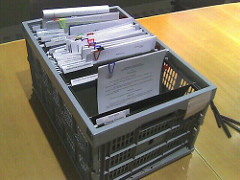
Spring flooding in the United States was light this year – we got lucky, you might say. Recent years, however, have been quite alarming. Depending on where you live, flooding can pose a serious threat to your business. Flood damaged documents are a huge burden on a business attempting to recover from a flood disaster. Vacuum freeze drying technology can be used to restore most flood damaged documents, but quick action is of the essence.

Read

Mother Nature Causes Flood Damaged X-Rays

Disaster Recovery, Document Recovery

When it comes to flooding at a hospital or business, flood damaged documents are a real headache. But even more serious are flood damaged X-rays, which can contain irreplaceable medical information. To be sure, today’s X-rays are usually stored electronically as well as physically. Older X-rays, however – especially in smaller towns and more rural areas with limited health IT budgets – may still be available only as physical copies.

Read

Document Restoration: How Businesses Rebuild After a Tornado

Disaster Recovery, Document Recovery, Document Scanning, Water and Storm Damage

According to the National Ocean and Atmospheric Administration (NOAA), 1,000 tornadoes occur on average each year in the United States. This is a higher figure than most would think because many of these reported tornadoes are small ones that are barely mentioned on the news. However, even a small tornado can cause serious damage to your business or office building.

Read

Mold Damaged Records: Don’t Let Them Hurt Your Business

Document Recovery, Mold Damage

There are various kinds of damaged documents that can benefit from document restoration services – water-damaged, fire-damaged and dirt-covered documents, to name just a few examples. But one of the most common types of document damage, which is often overlooked, is mold.

Read

How to Battle Mold Damaged Records in Schools

Document Recovery, Mold Damage

In today’s schools, careful attention must be given to monitoring the moisture level throughout the building to prevent the formation of mold. These tiny spores thrive in damp indoor areas and have the potential to grow exponentially if not removed immediately. A mold outbreak can not only leave school officials with mold damaged records and damaged books, but it can pose a health risk to children, causing symptoms such as fatigue, nausea, diarrhea, headaches, and irritation to the eyes, skin or lungs.

Read