Blog

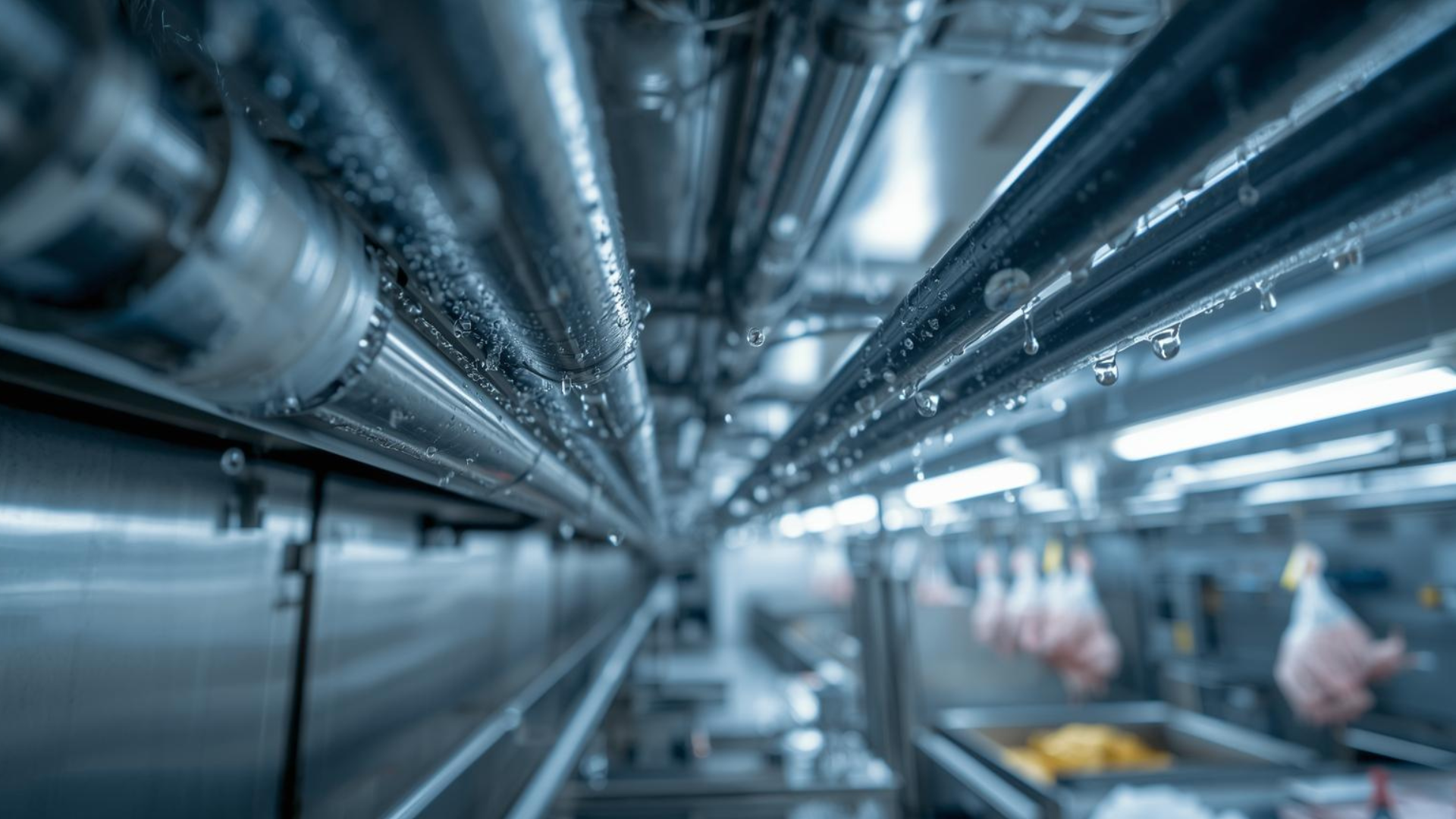
Condensation: Causes and Control in Food Manufacturing

Temporary Climate Solutions, Water and Storm Damage, Remote Monitoring and Control, Food and Pharma, Manufacturing and Industrial Processing

In food and beverage manufacturing, environmental control is directly tied to food safety, regulatory compliance, and operational continuity. Temperature and humidity work together, and when they aren’t properly managed, they create condensation, one of the most common and overlooked environmental risks in USDA-regulated facilities.

Read

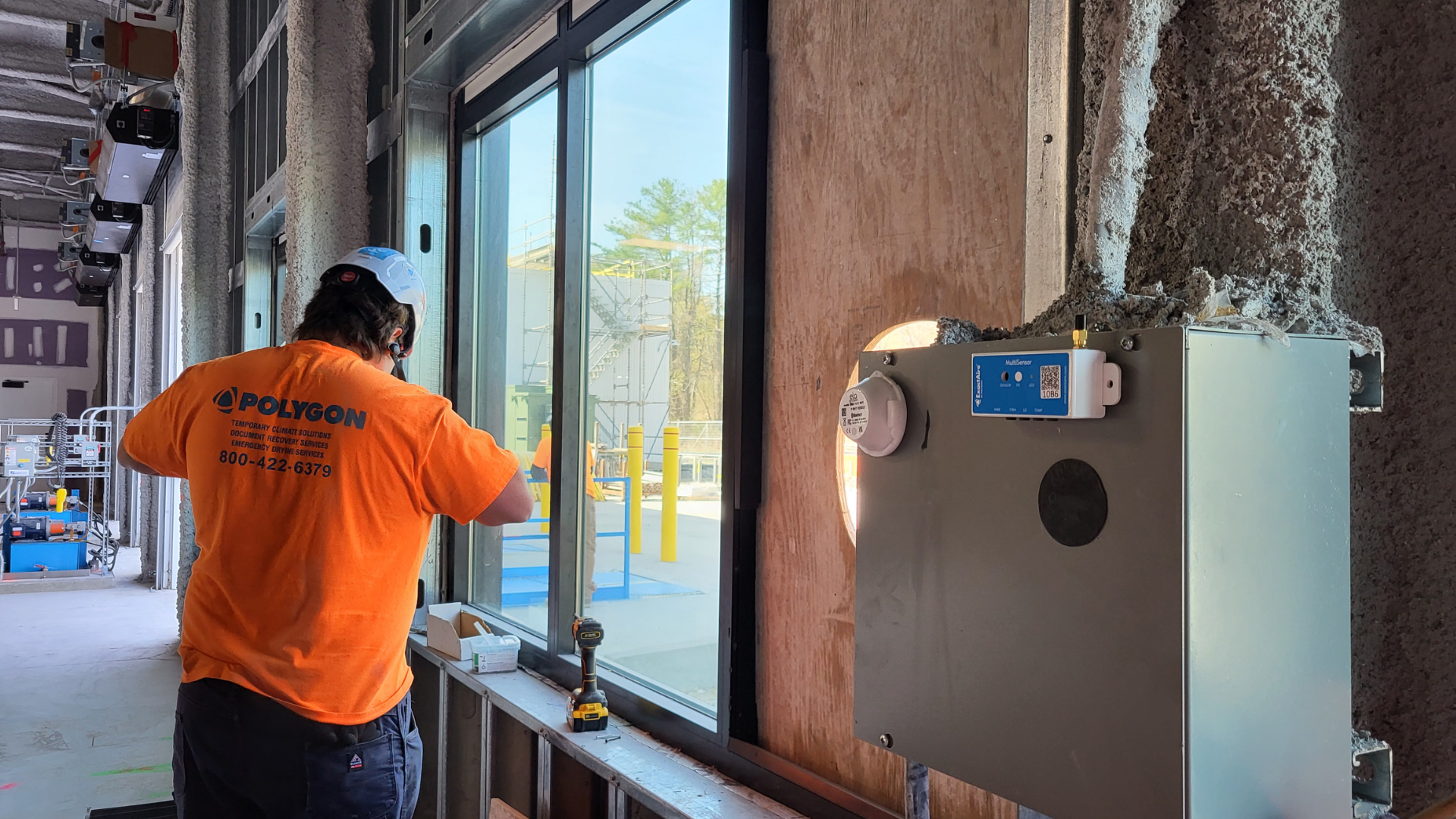
General Guidelines for Temperature and Humidity of Construction Materials

Construction Drying, Temporary Climate Solutions, Remote Monitoring and Control

When it comes to construction, temperature and humidity aren’t just comfort factors, they directly impact how materials perform, cure, and bond. Small variations can cause drywall to crack, flooring to warp, or adhesives to fail.

Read

AT&T Gigaton Spotlight: Reducing Carbon Emissions with Smart Temporary Climate Control

News, Temporary Climate Solutions, Remote Monitoring and Control

AT&T had a goal to help companies reduce a gigaton of emissions by 2035 through the power of connectivity. Polygon is a proud partner in reducing emissions on construction, industrial, and commercial building projects through intelligent climate control and reliable connectivity.

Read

Why Containment Matters in Construction?

Construction Drying, Temporary Climate Solutions, Remote Monitoring and Control, Indoor Air Quality

Containment is an essential yet often overlooked part of construction and a key factor in temporary climate control. It can be set up during pre-construction or in the active build phase, depending on project scope, risks, and environment.

Read

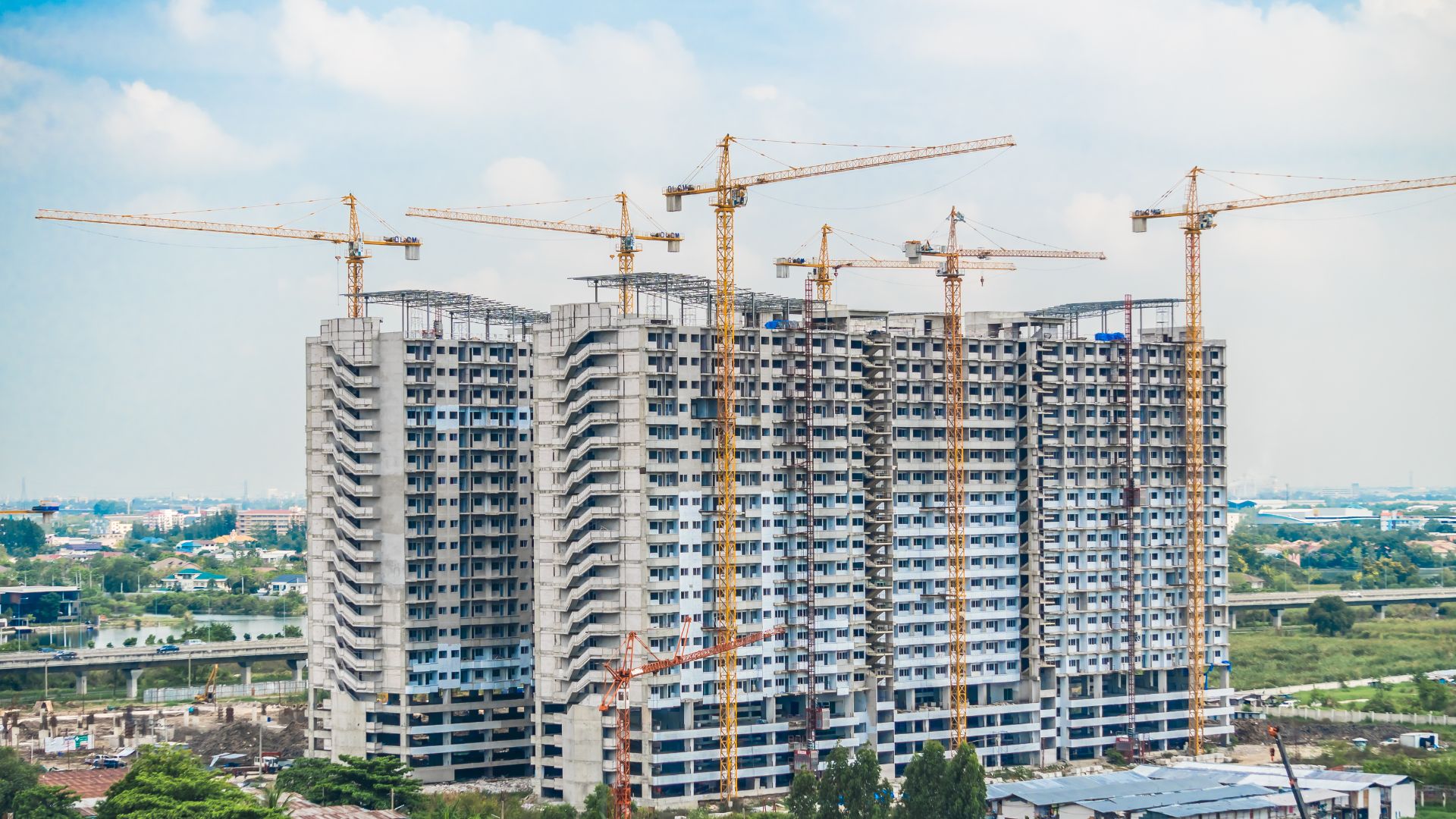
Why drying can’t wait in high-rise construction

Construction Drying, Temporary Climate Solutions, Remote Monitoring and Control, Indoor Air Quality

The high-rise construction sector in the United States is experiencing a sustained boom, driven by growing urban populations, housing shortages, and increased demand for multi-family developments. Nationwide construction remains strong, with developers focused on maximizing land use and accommodating urban growth.

Read