Blog

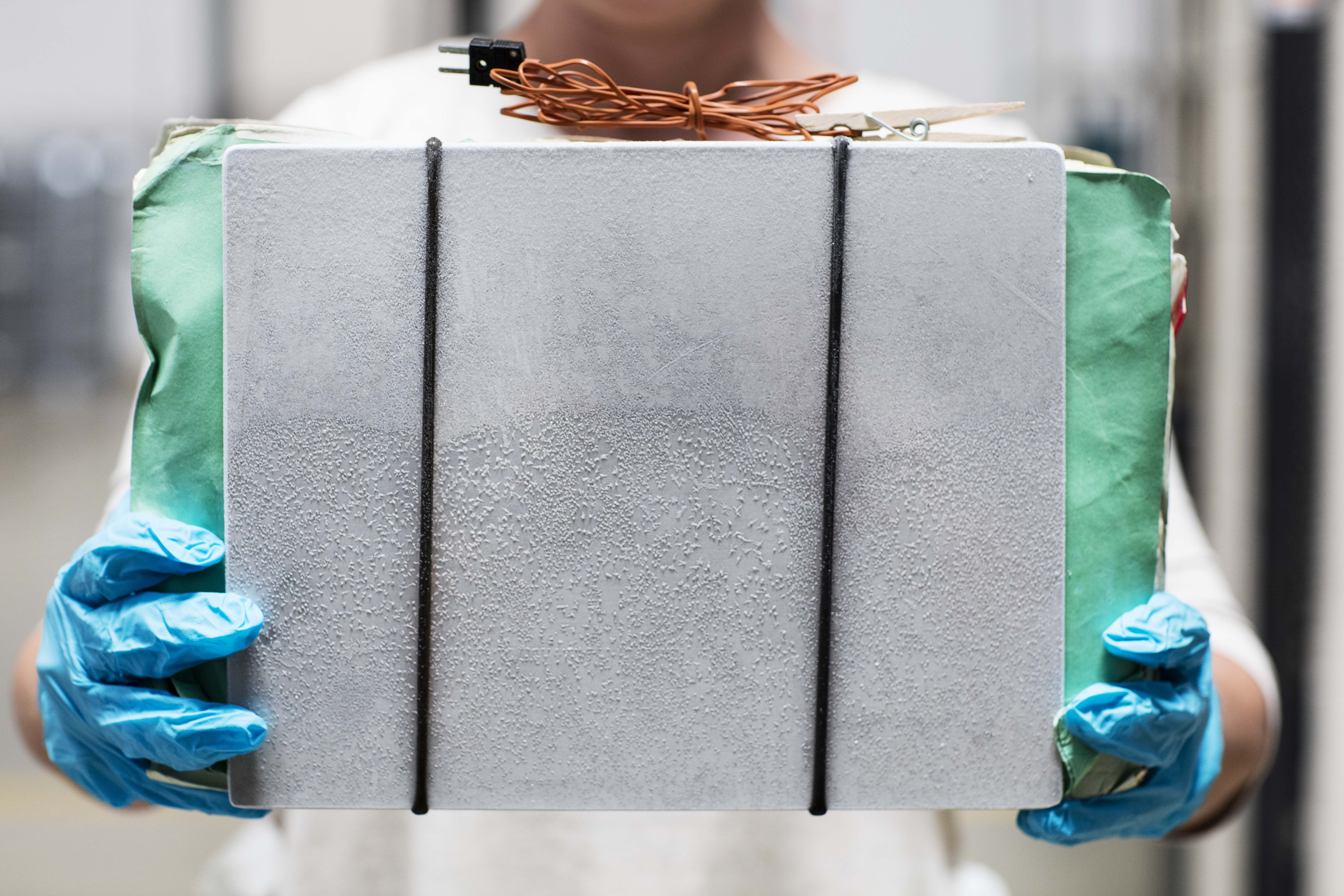
Vacuum Freeze Drying: Technology to Dry the Wettest of Documents

Disaster Recovery, Document Recovery, Water and Storm Damage

Document restoration is best left to professionals who have extensive knowledge of how to dry wet documents. Improper drying methods can cause even more damage to your already compromised files; if you don’t know how to dry wet documents, you can actually hinder rather than help the restoration process.

Read

Document Restoration 101 [Infographic]

Disaster Recovery, Document Recovery

When businesses lose crucial documents and records to water damage, it can be detrimental. Our infographic shares some interesting facts and statistics on the impact that natural disasters can have on a business, as well as the many methods of document restoration that Polygon uses to salvage water damaged documents.

Read

Cover Story: Restoring Damaged Books

Document Recovery

When restoring water damaged documents, including damaged books, freezing is your first priority. Air drying works for smaller quantities of books that haven’t seen extensive damage, but many libraries and historical societies lack the facilities for proper drying. In this situation, freezing within 24 hours – ideally, blast freezing – is best to halt the damage in its tracks. You’ll need to arrange a space for drying or freezing; don’t move damaged books until that restoration location is prepared.

Read

3 Important Tools Used to Monitor Your Document Storage Environment

Document Recovery, Temporary Climate Solutions

Document storage is about more than just finding a place to keep records. It’s about preservation. One of the most important factors in keeping records safe is the condition of the storage environment. Monitoring provides a more comprehensive picture of the conditions within a storage space and the effectiveness of its climate control system, allowing your organization to make decisions about the space’s management.

Read

Infographic: Preserving Our Past at the National Archives

Document Recovery

The National Archives is home to billions of documents that are important for both record-keeping purposes and to preserve our nation's proud history. Records exist in a wide variety of formats including paper, animal skin, photographs, film, sound recordings, and more. Each of these storage formats requires a specific storage environment to ensure they remain undamaged and can withstand the test of time. Without these carefully created storage environments, many of these records would degrade and be lost forever.

Read